ParaTrex 728x90 Animated 90% could you be one

Friday, September 22, 2006

Health Tip: Prevent Yeast Infections

(HealthDay News) -- Vaginal yeast infections are caused by a fungus that thrives when a woman's body changes because of a period, pregnancy or medication she may be taking.
Here are suggestions to prevent these infections, courtesy of the American Academy of Family Physicians:
· Avoid underwear and pants that are made of synthetic fibers. Stick to all-cotton underwear.
· Wear loose-fitting clothing.
· Avoid wearing pantyhose daily.
· Remove wet swimsuits, clothing, or underwear immediately.
· Avoid artificially fragranced or colored products such as sprays, tampons, pads, douches, or bubble baths, as they can affect the area's acid balance, which can promote symptoms of a yeast infection.

Crustacean Compound Fights Bacterial Biofilms

(HealthDay News) -- Coating common medical devices with a antimicrobial compound found in crabs and shrimp might fight infection in hospital patients, new research suggests.
A sugar called chitosan, which is found in crustacean shells, seems to protect against the build-up of nasty bacteria and yeast colonies called biofilms. So said scientists in a preliminary report presented Sunday at the American Chemical Society annual meeting, in San Francisco.
"The issue is that we're putting more and more plastic and metal into people as part of medical practice these days -- everything from contact lens to artificial hips and catheters, and a long list of other devices and implants," said lead researcher Philip Stewart, director of the Center for Biofilm Engineering at Montana State University in Bozeman, Mont.
"And so every time you do that there is a chance of having bacteria or yeast colonize that surface and start a biofilm -- groups of bacteria which form a persistent infection," he added. "The contribution we've made here is that chitosan can act to defend a surface from such a microbial challenge."
The bacteria or yeast that constitute a biofilm come from a range of sources, such as a patient's skin or tap water collecting at the point of surgical insertion. Once collected into a slimy, sticky layer of infectious cells, a biofilm is typically highly resistant to standard anti-bacterial treatments -- often requiring surgical removal of the affected device.
Biofilms are at the root of 65 percent of American bacterial infections, and are the leading cause of about 400,000 catheter-insertion bloodstream infections annually, according to the researchers.
Stewart and his colleagues chose to explore the potential of chitosan because of its antimicrobial abilities.
The compound is already sold as a nutritional supplement, and is approved by the U.S. Food and Drug Administration for use in stemming blood loss.
In a lab setting, the researchers used time-lapse fluorescent microscope and dye technologies to observe the behavior of several bacteria and yeast species as they came in contact with a coated surface.
The results, which involved no human or animal trials, suggest the coating helped prevent biofilm formation by, in effect, skewering the incoming microbes. The chitosan sugar molecules functioned like a razor-sharp bed of nails upon which the microbes met their untimely death.
"Now we've known for a long time that chitosans have antimicrobial qualities, so that's not news," said Stewart. "But what's new is the realization that it can actually form a coating that's not just anti-microbial but anti-biofilm, making it harder for the organisms to latch onto the surface and get a hold. And that could provide a real advantage in reducing the infection rate associated with implanted devices."
George O'Toole, an associate professor in the department of microbiology and immunology at Dartmouth Medical School, expressed some reservation as to whether or not the current research team had actually proven its case, but he was enthusiastic about the possibilities.
"This would be a terrific advance if this proved to be true, particularly because there is an advantage in using a non-antibiotic coating that can't be understated," O'Toole said. "Antibiotic coatings in catheters, for example, are a terrible idea because they will likely contribute to the development of [drug] resistance in the long run. So, their non-antibiotic approach is certainly preferred."
"However," he added, "many people have worked on this for many years without -- to my knowledge -- many effective results. So, I would have to see more research."
Dr. Pascal James Imperato, chairman of the department of preventive medicine and community health at the State University of New York Downstate Medical Center in New York City, seconded that opinion.
"It's interesting, but until this type of research is subject to a careful and critical review --which does not appear to have been the case -- we're not really going to know anything about its validity," he cautioned.
"And there are other issues as well, such as what the long-term effects of this kind of coating might be or what the potential resistance could be to these organisms in the future. This is important because one can try to solve one problem, but in the process create others. So, we need much larger and more sophisticated types of studies involving microbiologists, infectious disease specialists and people who are expert in medical devices to confirm the findings."
More information
For additional information on biofilm infections, visit the U.S. Centers for Disease Control and Prevention.

Tuesday, September 12, 2006

Health Highlights: April 12, 2006

Here are some of the latest health and medical news developments, compiled by editors of HealthDay:
Massachusetts Gov. Signs Universal Insurance Law

Massachusetts is the first state to pass legislation designed to guarantee universal health insurance coverage. Gov. Mitt Romney on Wednesday signed the bill, intended to cover an estimated 550,000 residents who are now uninsured, the Associated Press reported.

Romney did veto a key provision that would have hit businesses that didn't provide health coverage with a $295-per-worker assessment, the wire service said. State congressional leaders have threatened to override this line-item veto and restore the assessment.

The bill provides subsidies and sliding-scale premiums designed to bring low-income residents into existing insurance plans. It will cost an estimated $316 million in its first year, and more than $1 billion by year three, the AP reported.

The law is seen as a national model for a way to offer universal health coverage without creating a single government-run system, the wire service said.
-----
Antipsychotic Drug Studies Favor Cos. Providing Funding: Report
In many studies comparing antipsychotic drugs, the findings favor drugs made by companies funding the studies, says a report in the American Journal of Psychiatry.
Psychiatrist Dr. John Davis and his colleagues analyzed every publicly available pharmaceutical industry-funded study comparing five new antipsychotic drugs against one another. They found that nine in 10 of the studies concluded that the superior drug was the one made by the firm funding the study, the Washington Post reported.
"On the basis of these contrasting findings in head-to-head trials, it appears that whichever company sponsors the trial produces the better antipsychotic drug," Davis and his colleagues wrote.
These studies are the main source of information used by U.S. doctors to prescribe $10 billion worth of antipsychotic drugs each year, the Post reported.

Davis said biases in clinical trial design and interpretation can produce these contradictory results, which can undermine the confidence that patients and doctors have in these drugs.

He estimated that about 90 percent of pharmaceutical industry-sponsored studies that list a well-known academic as the lead researcher are actually conducted by a drug company, which later recruits a university researcher to be the "author," the Post reported.
-----
Evista Doesn't Protect Heart
The drug Evista does not help protect the heart, according to early results from the Raloxifene Use for the Heart (RUTH) trial, drug maker Eli Lilly said Wednesday.

"Because Evista did not prevent coronary events, we want to reinforce for physicians that Evista should not be prescribed for cardioprotection," said Alan Breier, Lilly's vice president and chief medical officer. "Physicians should be aware that the modest reduction of LDL, or 'bad' cholesterol, previously seen in Evista's clinical trials and currently reflected in the label, did not translate into cardioprotection in the RUTH study."

But the RUTH study findings suggest that Evista, which is currently approved in the United States for the treatment and prevention of osteoporosis, may reduce the risk of invasive breast cancer in postmenopausal women, United Press International reported.
Lilly plans to submit the data on the drug's potential for lowering breast cancer risk to the U.S. Food and Drug Administration.
-----
Cause of Eye Infections a Mystery: Bausch & Lomb
Even though its ReNu with MoistureLoc contact lens solution is a suspected cause of an outbreak of dangerous fungal eye infections, eye-care products maker Bausch & Lomb said Wednesday the cause of the infections remains a mystery.
"As far as speculation about theories, there's a lot of them, we've run a lot of them to ground and come up with nothing," Ron Zarella, the company's chief executive, said in a conference call with analysts, the Associated Press reported.
"Every additional test we've run suggests that the formulation is as safe and effective as anything on the market and in particular with regard to Fusarium," Zarella said.
Fusarium is the fungus that's caused 109 reports of eye infections in 17 states since last June. U.S. health officials investigating the outbreak have not made a direct connection between ReNu and the infections. However, most of the patients used the ReNu solution.
On Monday night, Bausch & Lomb stopped shipments of ReNu with MoistureLoc while the U.S. Centers for Disease Control and Prevention conducts its investigation.
In February, the company halted shipments of ReNu in Singapore and Hong Kong due to a surge in fungal eye infections among contact lens wearers. That outbreak is still under investigation.
-----
Coroner Links Detective's Death to World Trade Center Cleanup
A New Jersey coroner has made the first known ruling that links a death to cleanup work at the World Trade Center site in Manhattan following the Sept. 11, 2001, terrorist attacks.
The case involves the death of 34-year-old James Zadroga, a police detective who developed respiratory disease after spending 470 hours working at the site. He died on Jan. 6 of respiratory failure. The autopsy results were released Tuesday by Zadroga's family and union, the Associated Press reported.
"It is felt with a reasonable degree of medical certainty that the cause of death in this case was directly related to the 9/11 incident," Dr. Gerard Burton, a pathologist at the Ocean County medical examiner's office, wrote in the Feb. 28 autopsy.
Zadroga had inflammation in his lung tissue due to "a history of exposure to toxic fumes and dust," Breton wrote. He also detected material "consistent with dust' in Zadroga's lungs; the officer also had a damaged liver and enlarged heart and spleen, the AP reported.
Last week, a report released by the U.S. Centers for Disease Control and Prevention said that many survivors of the World Trade Center attacks are still suffering respiratory problems and psychological symptoms.
-----
Bird Flu May Be Limited Threat to U.S., Expert Says
Even if the dangerous H5N1 bird flu virus does make it to the United States, it's unlikely to be as serious a threat to U.S. poultry or people as it is in developing nations, said Dr. Anthony Fauci, the top U.S. bird flu expert.
"The surveillance is going to be so intense that it is very unlikely that there is going to be the type of situation we see everywhere from Nigeria to Indonesia," Fauci, infectious disease chief at the National Institutes of Health, told the Associated Press.
He noted that U.S. poultry farmers keep their birds isolated from wild birds and that most Americans have limited contact with poultry or their droppings.
"It won't be what you see in countries in which there is no regulation, in which there is no incentive to compensate farmers, in which the people, who are so poor, when they see their chickens are getting infected they immediately sell them or they don't tell anybody because they don't want them culled," Fauci told the AP.


Oxygenator

Oxygenator

$26.00
[ learn more ]

Add to Cart

Oxygenator is a safe, stable, inorganic compound of oxygen and chlorine-containing products, in a colorless and odorless aqueous medium. In scientific studies Oxygenator has demonstrated efficacy as an anti-inflammatory, broad spectrum, bactericidal, fungicidal, as well as a virucidal agent. This product is bonded specifically to release oxygen and not release any chlorine or chlorine by-products into the system.

Contact Lens Solution Pulled From Market

(HealthDay News) -- U.S. vision care company Bausch & Lomb is permanently removing from the market a popular contact lens product associated with several serious fungal infections that can cause blindness.
"It appears that the ReNu with MoistureLoc does have a higher risk [of Fusarium keratitis]," said Dr. Daniel Schultz, director of the Center for Devices and Radiological Health at the U.S. Food and Drug Administration, at a Monday teleconference. "We certainly support the company's decision to remove this product from the market worldwide."
As of Friday, the U.S. Centers for Disease Control and Prevention (CDC) had received reports of 122 confirmed cases of Fusarium keratitis. According to the FDA, a majority of the confirmed cases have been associated with ReNu with MoistureLoc Multipurpose Solution -- a number that is disproportionately high given the product's market share.
Some 30 million Americans wear contact lenses, and about 2.3 million use MoistureLoc, according to the Associated Press.
While ReNu MultiPlus, ReNu Multi-Purpose and generic brands were also initially suspected, the FDA now believes that these products do not pose a problem.
"There is a baseline rate that is associated with a number of other products, but clearly, there is a much, much higher rate associated with MoistureLoc that is way above what would be expected based on market share and the percentage of use," Schultz said. "We need to continue to collect information, but, at this point, our scientific conclusion is pretty clear that the association is, in fact, just with the MoistureLoc solution."
The Fusarium fungus is usually found in tropical or subtropical soils. If left untreated, infection with the fungus can cause blinding scars to the cornea. According to the AP, at least 8 infected patients have so far required corneal transplants.
In a statement to consumers released Monday, Bausch & Lomb chief executive Ronald Zarella said the company decided to permanently withdraw ReNu MoistureLoc "because our Number One priority is the safety of our customers. We want you to have complete confidence in our products."
The eye-care product maker first stopped sales of ReNu with MoistureLoc on April 13, 2006, following reports of an unusually high number of fungal infections in users of the product.
Following that action, the company conducted an internal investigation and, on May 11, company representatives met with FDA officials for about two hours to share the findings.
FDA officials were not clear on the exact reason for the spike in infections.
"It's a complex interaction," Schultz said. "There are a number of ways in which these products are used, and the way that they're stored, and the way that the production is used in conjunction with the case and the contact lens. If a number of those factors come into play in conjunction with the particular formulation of this particular solution, that can lead to a higher than normal incidence of Fusarium infection. There does appear to be an association between the formulation itself, as well as certain use patterns, in creating this higher-than-normal incidence of these particular infections."
Schultz deferred more detailed explanations to the company.
The CDC and the FDA have been inspecting the Bausch & Lomb plant and facilities in Greenville, S.C., since March 22. That inspection is being finalized, and officials would not comment specifically on any findings.
The FDA's Schultz said agency experts "expect to have certain observations that will become public within the next few days. All I would like to say at this particular time is that we certainly expect that there will be some issues related to good manufacturing practices."
At the same time, he added, "there does not appear to be a direct relationship between those findings and this fusarium outbreak."
And, in a prepared statement, Zarella said inspectors have so far failed to turn up any sign of "contamination, tampering or counterfeiting" at the plant.
Marketwatch reported Monday that the FDA had found some violations at the Greenville plant but the agency said the violations were unrelated to the fungal infection.
Clusters of the same fungal infection were reported among contact lens users in Asia beginning in November 2005. In February 2006, Bausch & Lomb voluntarily suspended sales of the ReNu multipurpose solutions in Singapore and in Hong Kong.

More information
For more on the recall, visit the U.S. Food and Drug Administration.

Singapore Eye Infections Heighten Contact Lens Concerns

(HealthDay News) -- Health concerns focused on a recalled contact lens solution are continuing, with a report of 66 cases of a potentially blinding eye infection in Singapore.
It was outbreaks in Asia and the United States of cases of the fungal infection, called Fusarium keratitis, that sparked the May 15 market recall of Bausch & Lomb's lens solution ReNu with MoistureLoc.
A detailed report of the Singapore cases -- which stretch from March 2005 through May of this year -- appears in the June 28 Journal of the American Medical Association.
That study also revealed that Bausch & Lomb, in a letter last month, had pretty much pinpointed what in the solution could be causing the Fusarium keratitis.
According to Bausch & Lomb, the combination of moisturizing agents exclusive to MoistureLoc could increase the risk of Fusarium infections in unusual circumstances. In a letter to the American Academy of Opthalmology in May, company vice president Angela Panzarella said, "While our investigation has confirmed that alexidine is a safe and effective disinfecting agent, the data suggest that under certain extreme conditions the concentration of polymers included in the formula to enhance comfort may make the solution more likely to be contaminated with Fusarium in the environment."
Fusarium keratitis is usually a rare infection, but cases in Singapore have increased sharply since March 2005, according to doctors who wrote the new report. Recently, 122 cases have been reported in the United States and 33 in Hong Kong, suggesting that there may be a worldwide outbreak of the infection among contact lens wearers.
In their study, a team led by Dr. Wei-Boon Khor of the Singapore Eye Research Institute looked at all cases of fungal keratitis among contact lens wearers from March 2005 through May 2006. The researchers took biopsy samples of the patients' corneas as well as contact lenses, lens cases and contact lens solutions. They also interviewed patients by phone.
The researchers found that during the 15-month period, 66 contact lens wearers (68 affected eyes) were diagnosed with Fusarium keratitis -- a big jump from the one or two cases per year that doctors there usually see.
Using this data, the researchers estimated the annual incidence of Fusarium keratitis in Singapore rose to 2.35 cases for every 10,000 contact lens wearers.
Among the patients, 98.5 percent wore soft, disposable contact lenses, and close to 94 percent said they used ReNu brand cleaning solution. This included 42 patients (63.6 percent) who used ReNu with MoistureLoc. Six patients said they used another Bausch & Lomb brand, Renu MultiPlus, while 11 said they used some type of (unspecified) ReNu multipurpose cleaning solution.
Forty-four of the Singapore patients suffered sight-threatening lesions severe enough for them to be hospitalized for an average of 6.5 days. In addition, five patients had to undergo corneal transplantation.
Outbreaks like these have led Bausch & Lomb to investigate the link between the lens solution and fungal keratitis. In her letter, Panzarella said the polymers included in ReNu with MoistureLoc could boost the risk for Fusarium contamination, especially when users don't take recommended precautions.
"This may occur under conditions, for example, where the solution is allowed to evaporate, the solution is not regularly replaced in the lens case, or when the case is not cleaned properly. This may lead to the contact lens becoming contaminated with Fusarium and could create an environment for potential infection," Panzarella said .
Bausch & Lomb spokeswoman Meg Graham told HealthDay that no other reasons for the outbreaks have been found.
The Singapore team agreed that poor contact lens care may have played a role in the infections.
Close to 82 percent of the patients had poor lens hygiene habits, they said, including wearing daily contacts overnight, wearing expired lenses and wearing contacts while swimming. However, these habits do not fully explain the outbreak, Khor's group stressed.
The researchers note that seven U.S. patients who developed the infection had also used products from Advanced Medical Optics or Alcon, and some of them had used several products.
One manufacturer noted that its products were not involved in the current outbreak. "Advanced Medical Optics (AMO) has never had a confirmed case of fungal keratitis attributed to any of its products," said spokesman Steve Chesterman. "AMO conducts a full battery of pre-clinical testing in the development of its contact lens care products to ensure that they meet all applicable U.S. and international standards for antimicrobial effectiveness, preservative effectiveness, and sterility," he added.
Calls to Alcon for comment were not returned.
"By highlighting this series of Fusarium keratitis among contact lens wearers in Singapore, we hope to alert physicians and other eye care clinicians worldwide to maintain a high index of suspicion for fungal infection when evaluating and treating patients with contact lens-associated microbial keratitis," the researchers concluded.
One expert thinks the MoistureLoc solution is only part of the problem.
Dr. Robert Cykiert, a clinical associate professor of ophthalmology at New York University School of Medicine, said proper contact lens hygiene is key to keeping eyes safe.
This increase in Fusarium keratitis infections is due to Bausch & Lomb's ReNu with MoistureLoc and to poor contact lens hygiene among patients, Cykiert said. "There have always been problems with patients not caring for their contact lenses. So, you have an underlying low percentage of infection," he said.
"They don't properly care for their contact lenses, they don't wash their hands properly, they don't replace solution daily, and they sometimes sleep with their lenses, which increases the risk of getting an infection," Cykiert said.
The MoistureLoc solution adds to the problem, because it creates a film on contact lenses and on contact lens cases, Cykiert said. "This film puts a protective coating over the fungus, so it allows the Fusarium to adhere to the contact lens and to the contact lens case," he said.
"If you have poor hygiene, poor handling, poor disinfecting techniques, and you combine it with a solution like that, you suddenly get a huge number of infections," Cykiert said.
Cykiert cautions patients not to use Bausch & Lomb's ReNu with MoistureLoc solution. "The problem is that there are still some people out there who have that solution at home and haven't discarded it," he said. "Not using it dramatically reduces the chances of getting the infection," he added.
To reduce further the chance of getting an infection, Cykiert recommends that people wash their hands before handling their contact lenses and replace their contact lens solution every day.
More information
For more on fungal keratitis, head to the American Academy of Ophthalmology.

Oxygenator

Oxygenator

$26.00
[ learn more ]

Add to Cart

Oxygenator is a safe, stable, inorganic compound of oxygen and chlorine-containing products, in a colorless and odorless aqueous medium. In scientific studies Oxygenator has demonstrated efficacy as an anti-inflammatory, broad spectrum, bactericidal, fungicidal, as well as a virucidal agent. This product is bonded specifically to release oxygen and not release any chlorine or chlorine by-products into the system.

Enzyme May Aid People With Celiac Disease

(HealthDay News) -- A diagnosis of celiac disease currently means a lifetime of watching what you eat -- making sure that no gluten, a product found in many commonly eaten foods, ever passes your lips.
But that dietary restriction may soon come to an end. According to researchers in the Netherlands, an enzyme originally developed for commercial food processing -- AN-PEP -- may be able to break down gluten in the stomach before it reaches the small intestine. That's important, because the small intestine is where celiac disease originates.
"There is a realistic chance that this enzyme can be used to develop an alternative treatment for celiac disease," said the study's lead author, Frits Konig, professor of immunology at Leiden University Medical Center.
"It is very difficult to predict if such an enzyme-based treatment would actually be preferred over a gluten-free diet, but at the very least, it would provide patients with the option to occasionally follow a normal diet -- for example, when going out or during other social occasions, times when a gluten-free diet is certainly bothersome," he said.
Konig and his colleagues reported their findings in the online journal American Journal of Physiology - Gastrointestinal and Liver Physiology.
Celiac disease affects about 1 percent of people in the United States and Europe, according to Konig. It's an autoimmune disease that occurs when the body mistakenly sees gluten molecules as foreign invaders that need to be destroyed. Along with destroying gluten molecules, parts of the small intestine are destroyed during the immune system response. Eventually, it becomes difficult for the small intestine to properly absorb nutrients from food, which can cause anemia and vitamin deficiencies.
Currently, the only effective treatment is to avoid gluten altogether. While this may not sound difficult, Konig pointed out how hard it really is to do. "Gluten is a common protein found in wheat and related cereals like barley and rye. This means many common food products, like bread, breakfast cereals, pasta, cookies, etc., are forbidden," Konig said. "Moreover, gluten is often used as an additive in the food industry, so, many products that are not normally associated with wheat may contain gluten," he added.
The Netherlands researchers aren't the only ones studying enzymes as a treatment for celiac disease. Earlier this week, researchers at Stanford University announced they had also discovered an enzyme -- EP-B2 -- that can help prevent the inflammatory immune system response that occurs when gluten is consumed.
Both the enzymes used in the Dutch study and the California study have only been tested in cultures, not in humans. There is no animal model for celiac disease, so treatments can't be studied in animals, either. Konig said that, in the acidic environment of the stomach, he believes the enzyme used in the Stanford research wouldn't survive. The AN-PEP enzyme, however, should work well in the stomach, he said.
"AN-PEP is very efficient and completely breaks down gluten proteins into fragments that are so small that they can no longer cause inflammation in the intestine," Konig said. "This we have also demonstrated by using white blood cells from patients that respond to gluten and cause inflammation in the intestine. These cells no longer respond to gluten when it has been treated with the AN-PEP enzyme," Konig added.
AN-PEP is derived from Aspergillus niger, a common fungus, according to Konig. Because Aspergillus niger is already used in commercial food processing, he said he doesn't expect there to be side effects from the treatment.
Konig said the next step is to conduct human trials.
Dr. Roshini Rajapaksa, a gastroenterologist at New York University Medical Center, is enthusiastic about the Dutch findings. "This could be a huge advancement in terms of treating a very common disease, and it will help a lot of people who are suffering or are dramatically changing their lifestyle," she said.
Rajapaksa had a word of caution, however. "Right now, we're dealing with chemicals in test tubes, so we don't know about any potential side effects. All sorts of things occur in the human body, though it doesn't look like there's any reason this shouldn't work," she said.

More information
To learn more about celiac disease, visit the Celiac Disease Foundation.

Tuesday, September 05, 2006

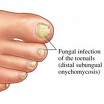
Health Tip: Preventing Toenail Fungus

(HealthDayNews) -- Ugly, discolored toe nails may be a sign of a fungal infection. Besides being embarrassing, untreated fungal infections can spread.
Guard yourself against toenail fungus with these tips from the American Podiatric Medical Association:
· Wash your feet regularly with soap and water.
· Dry them thoroughly.
· Make sure your shoes fit properly.
· Wear shower shoes in public areas.
· Change socks, hosiery, even shoes, daily.
· Clip toenails straight across so the nail doesn't extend past the tip of the toe.
· Use a recommended foot powder talcum, not starch.
· Wear socks made of synthetic fiber.

Chemical Reaction May Have Caused Eye Infections

(HealthDay News) -- Government researchers report that a recent outbreak of severe eye infections was indeed associated with the use of ReNu with MoistureLoc contact lens solution, but a chemical reaction that can occur with the solution appears to be the actual culprit.
Officials also believe the fungal contamination occurred in patients' homes, and not in the manufacturing or storage process.
"We think that there's something about the chemical make-up of the solution that allows the fungus to grow and cause infection," said study senior author Dr. Benjamin J. Park, medical officer with the U.S. Centers for Disease Control and Prevention. "We don't know the exact mechanism, but it's important that users of solution don't use Moistureloc."
After the same research team came out with a preliminary report in May, Bausch & Lomb recalled the solution.
For the 34 million contact lens wearers in the United States, the risk of developing keratitis, an infection that can lead to blindness or the need for a corneal transplant, is about four to 21 per 10,000. The risk is amplified for soft lens users, and by wearing lenses overnight or not following correct care protocols.
In February, however, unusually large clusters of patients with Fusarium were reported in Singapore and Hong Kong. A high proportion of these individuals had used a Bausch & Lomb ReNu brand contact lens solution.
Beginning in March of this year, CDC officials started receiving reports of similar cases among contact lens wearers in the United States.
In May, Bausch & Lomb stated that the combination of moisturizing agents exclusive to MoistureLoc could increase the risk of keratitis infections in unusual circumstances. HealthDay's attempts to reach the company for comment on this latest report were unsuccessful.
For this study, which appears in the August 23/30 issue of the Journal of the American Medical Association, CDC researchers looked at confirmed cases of Fusarium keratitis that occurred after June 1, 2005.
As of June 30, 2006, 164 cases had been identified in 33 states and one U.S. territory. About one-third (34 percent) of these patients required corneal transplantation. Almost all (94 percent) wore soft contact lenses.
This latest paper focused on 45 patients and 78 controls. Sixty-nine percent of patients had used ReNu with MoistureLoc, compared with 15 percent of controls.
Researchers did not find Fusarium at the factory or warehouse, or in unopened solution bottles.
Ongoing research is trying to determine the exact mechanism of infection, although when 39 isolates of the fungus were tested, at least 10 different genetic types were found. "This suggests that the organism had a lot of different sources," Park said.
In the meantime, contact lens wearers should take proper care of their eyewear.
"There seems to be an association of this infection with patients who don't replace their contact lens solution on a daily basis. That's a dangerous thing to do," said Dr. Robert Cykiert, a clinical associate professor of ophthalmology at New York University School of Medicine in New York City. "I ask my patients if, when they take a bath, do they drain the bathtub at the end or jump into the same bathwater the same day. You're putting your contacts in old bathwater."
"People who are reusing the old solution are more likely to get an infection," Park confirmed. "But we don't think that this outbreak is due to hygiene measures alone. The most important component was clearly the solution."
More information
For more on Fusarium keratitis, head to the American Academy of Ophthalmology.

Serious Eye Infections May Be Linked to Contact Lens Solution

(HealthDay News) -- U.S. eye doctors expressed alarm Tuesday at a new warning that a rare but serious fungal infection may be linked to a popular contact lens solution.
Tens of millions of Americans may be at risk for the infection, which, in worst cases, can cause blindness, U.S. health officials said in the warning issued late Monday.
"This is troubling because there are about 35 million contact-lens wearers in the USA and, of those, roughly 25 million or 26 million are soft lens wearers," said Dr. Robert Cykiert, clinical associate professor of ophthalmology at New York University School of Medicine. "Basically, everybody who wears soft lenses is at risk for this type of infection."
A large proportion of these people may use Bausch & Lomb's ReNu with MoistureLoc. Twenty-six of 30 patients who suffered infections used this product or a generic brand manufactured by the same company.
"That product is probably the market leader in contact lens solutions, so you're talking about millions of people who are using Bausch & Lomb solutions," Cykiert said.
Bausch & Lomb has suspended shipments of the multipurpose product, although it is still on store shelves.
At the same time, the U.S. Food and Drug Administration and U.S. Centers for Disease Control and Prevention issued an alert to health-care professionals and patients who wear soft contact lenses of the risk.
A fungus called Fusarium has been identified as the cause of the reported infections. As of April 9, there were 109 cases of suspected Fusarium keratitis under investigation by the CDC and health authorities in 17 states. The risk of contracting contact lens-related infection from the fungus, which is commonly found in soil, tap water and many plants, is estimated to be four to 21 per 100,000 patients.
The current cluster of cases represents a "staggering increase in the number of cases" typically seen in the United States, Cykiert said. "This is an extremely serious infection of the cornea. If you get it, this takes weeks or months to treat, some need to be hospitalized for weeks, and very often wind up needing corneal transplants. So this is a very major issue."
Eight U.S. patients have already required corneal transplants, The New York Times reported.
Clusters of the same infection were reported among contact lens users in Asia beginning in November 2005. In February 2006, Bausch & Lomb voluntarily suspended sales of the ReNu multipurpose solutions in Singapore and Hong Kong, according to the FDA.
Investigators have not definitively proven that the ReNu product is the culprit, but Cykiert and others are advising consumers to stop using the product.
"Even though no one is saying it's definitely that solution, when the company suspends shipment and the FDA says they should be careful, why would you test it and use it?" Cykiert said.
"People should not panic, but this is a serious infection. So if people have symptoms and it doesn't get any better, they need to look for help," said Dr. Eduardo Alfonso, a professor of ophthalmology at the Bascom Palmer Eye Institute at the University of Miami. "If left and not taken care of, the fungus gets deeper into the cornea and the chances of recovery are markedly diminished."
Besides urging discontinued use of ReNu and generic brands manufactured by Bausch & Lomb, experts are recommending practicing good contact lens hygiene.
"Patients must remember that contact lenses are a medical device and that you are sticking a foreign item in your eye," said Dr. Norman Saffra, director of ophthalmology at Maimonides Medical Center in New York City. "When you're using medical devices in your eye, prudence should take priority over both looks and ease of use."
Among experts' suggestions:
Do not use contact lenses if your eye is irritated.
Wash your hands with soap and water, and dry them (lint-free method) before handling lenses.
Wear and replace lenses according to the schedule prescribed by the doctor.
Follow specific lens cleaning and storage guidelines from the doctor and solution manufacturer.
Keep the contact lens case clean and replace it every three to six months.
Don't sleep in your lenses, even if the lenses are approved for that use. Nine of the current cases reported wearing contact lenses overnight, a known risk factor for the infection.
Avoid multi-purpose lens solutions that are used both for storage and disinfection. "If it's safe enough to put in your eye after you've cleaned the lens with it, it's not going to be the best disinfectant in the world," Saffra said. "The best burn like hell because they don't belong in your eye."
Talk to your doctor about disposable lenses that involve "no solutions, no mess," Saffra said.
Remove the lenses and contact your doctor immediately if you experience symptoms such as redness, pain, tearing, increased light sensitivity, blurry vision, discharge, or swelling.
"Early diagnosis for this problem can prevent some fearful complications," Saffra said. "These are difficult infections and they're unusual in this part of the world. The cluster associated with this solution is unfortunate but prudence and careful care can help avoid problems."
More information
Visit the FDA to see the public health notice.

Forest Fungus Yields Powerful Antimicrobial

(HealthDay News) -- A fungus found on the floor of northern European pine forests may soon rescue humans from some of the world's most stubborn diseases.
The mushroom in question has yielded an antimicrobial peptide that researchers say has the curative powers of such antibiotic stalwarts as penicillin and vancomycin, and then some.
In laboratory and animal tests, the peptide, called plectasin, effectively battled a number of bacteria, including strains that have become resistant to conventional antibiotics.
"This particular antimicrobial peptide was extremely active against the organisms that causes pneumonia and the organisms that cause strep throat and certain types of severe skin infections," said Dr. Michael Zasloff, co-author of the study, which appears in the Oct. 13 issue of Nature. Zasloff is professor of surgery at Georgetown University Medical Center in Washington, D.C.
If it passes safety and efficacy tests in humans, plectasin could be on the market by 2012, the study authors stated.
Perhaps more exciting, the findings may usher in a whole new era of antibiotic exploration, discovery and eventual treatment.
"There are hundreds of thousands of fungal organisms," Zasloff said. "We would logically expect, and we anticipate, that as we begin to explore hundreds of thousands of species of fungi, we will most likely uncover antimicrobial peptides that are active against, I would imagine, the entire universe of pathogens that touch man including, very likely, viral organisms."
"This appears to have some systemic activity, meaning you can put it into somebody's body and kill bugs without hurting people, so it does probably represent a major step in this particular field," added Steven Projan, a fellow for the American Academy of Microbiology, and vice president for biological technologies at Wyeth Research in Cambridge, Mass. "It's interesting. It's important. We're a few steps away from using this effectively." Wyeth was not involved with the study.
Antibiotic development has been essentially stagnant since the discovery of penicillin in 1929, said Zasloff, who was the first to discover the existence of antibiotics in the skin of frogs.
"We have been searching for a new class of antibiotics that is produced in the bodies of animals and certain plants for the last 15 to 20 years," he said.
Zasloff was part of an international team of researchers funded by Novozymes, a Danish biotech corporation which had already been exploring fungi for enzymes to use in various commercial drugs.
Fungi were a good place to start looking because the chemicals they make are compatible with human bodies. Indeed, penicillin originally came from fungal "bread mold."
"In the evolution of life in the Darwinian sense, we evolve from fungi. They're between us and plants so basically we're the offspring of fungi," Zasloff explained. "Fungi live on decaying stuff. They sure have to protect themselves and they've got one battle ahead of them as soon as they start to consume decaying material -- and they've got all sorts of tools."
But no "defensins," tiny protein molecules that animals produce to ward off infection, had ever been found in a fungi. The problem lay in the method researchers were using to look for them, Zasloff said.
"The standard techniques for production or discovery of antibiotics have been to grow a penicillin mold in a culture medium and then to take a drop of that culture medium and see if there are antibiotics," Zasloff said. "The antimicrobial peptide is barely produced in that type of scenario. We needed new tools."
The research team used biotechnology to "read" the genetic messages of the Pseudoplectania nigrella species of fungus, which had been picked at random.
Identifying plectasin was only a first step. The second step was to reproduce the peptide in a laboratory.
"We cannot produce an antibiotic unless it can be made, and made commercially," Zasloff explained.
With help from the National Center for Antimicrobials and Infection Control in Denmark, the investigators tested plectasin in the laboratory against a number of different bacteria. While effective against several different organisms, plectasin was particularly active against all clinical strains of S. pneumoniae, the leading cause of pneumonia, including those resistant to conventional antibiotics.
When tested in mice, plectasin proved itself to be safe and effective.
Scientists are hoping not only that plectasin will conduct itself the same way in humans, but that other fungal species will be found to contain peptides to head off other infections, including HIV.
"There's a whole new universe of organisms that we had never really fully explored, and which has yielded for mankind the most effective of our antibiotics," Zasloff said. "It can now be explored."
More information
The Alliance for the Prudent Use of Antibiotics has more on these drugs and the emergence of resistant organisms.

Health Begins In The Colon

Health Begins In The Colon

$19.99
[ learn more ]

Add to Cart

The REAL Secret to Health is Finally Revealed! Did you know that disease starts and health begins in the colon? You can read more about how to better your health in Dr. Group's exclusive book