
Showing posts with label fungus-infection. Show all posts
Showing posts with label fungus-infection. Show all posts
Monday, February 23, 2009
Monistat 3 Cream
Generic name: miconazole (mi-KON-a-zole) Monistat 3 Cream is used for Treating vaginal yest infections. This medicine is an antifungal agent. It works by weakening... Read more


Wednesday, February 04, 2009
Fungus treatment??
Q: My husband has harvested fungi from his sinuses and is hoping someone can culture the specimen and see what can be done to arrest this uncontrollable condition. Additionally, he is an athlete and has had toenail fungus since his competitive days. Please help us find answers. Gratefully, Read more
Monday, June 23, 2008
Toenail Fungus Cures That Work, Toenail Fungus How to Treat
Mercola's toenail fungus video, there certainly are many natural, safe ways to cure toenail fungus that take far less than a hour a day.
Saturday, May 10, 2008
Fighting a Fungus That Thrives on Tomatoes
 (HealthDay News) -- A molecular-based approach to helping tomatoes fight a fungus that causes wilt has been identified by Dutch scientists.
In agriculture, there's an ongoing battle against the ability of plant pathogens to co-evolve along with their host plant's immune system, according to background information in the study. One way to increase protection is through disease resistance genes that strengthen a plant's immune system.
In this study, the researchers looked at tomatoes and the fungal pathogen Fusarium oxysporum, which causes fusarium wilt disease.
The University of Amsterdam team found that a suppressor protein secreted by some strains of the fungus enables it to overcome two of the tomato plant's disease resistance genes. However, a third resistance gene specifically targets the suppressor protein, making the plant fully resistant to any fungal strain that produces the protein.
This means that with the right set of resistance genes, tomato plants can defeat the fungus.
"This molecular analysis has revealed a hitherto unpredicted strategy for durable disease control based on resistance combinations," according to a news release about the study, published Friday in the journal PLoS Pathogens.
More information
Ohio State University has more about fusarium wilt.
Monday, March 31, 2008
What is a Yeast Infection ?
This video animation illustrates how bacteria coexists with a yeast fungus in the vagina and when conditions change it will increase or decrease the acidity causing the yeast fungi to multiply and cause irritation.
Wednesday, March 26, 2008
Dr Whiting on Systemic Candida and Yeast Infections
There is probably more misinformation about yeast infections and candida albicans than almost any health topic. Yeast diets, candida diets, along with special herbal formulas for combating yeast and candida infections abound. Yet after 30 years in the nutrition field, we have found very few of these to be effective.
Research shows that women, following yeast diets and candida diets, obtain some relief from their symptoms, yet as soon as they go off the restricted diet, their yeast infection and candida symptoms return almost immediately. The only substance ever shown to actually destroy the candida and yeast organism on contact is oxygen. Oral oxygen has proven to be very effective in eliminating yeast infections and candida. Candida diets do not eliminate candida or yeast.
Candida diets help reduce the symptoms of candida or yeast, but will not cure the problem. When oral oxygen is used candida diets become unnecessary. Buffered oral oxygen is the only safe way to raise the oxygen levels, but you must take the right formula in order for it to be safe and effective. The Institute of Nutritional Science offers a formulation, which has been used for over 20 years in eliminating systemic candida and yeast without the use of dangerous drugs and ineffective diets.
Preventing Candida Overgrowth from Re-Occurring Now that you are once again enjoying a healthier state of being and the synergistic balance of bacteria has been restored to your intestinal tract, it is important to understand what you need to do to ensure that you don't become affected by this problem again in the future. If you need to take antibiotics again, for any reason, do so if needed, but always, always, always, re-implant the healthy bacteria back into the intestines by taking high potency Acidophilus capsules for 10 days after the last day of antibiotic use. If you are female and taking birth control pills, be sure and either consume bacterial foods such as yogurt, buttermilk, or take 2 to 4 capsules of multi-source Acidophilus capsules every day. If you should develop a localized vaginal yeast infection, use three ounces of our premixed oxygen liquid together with 3 ounces of warm water and douche, holding the fluid for 5 to 10 minutes, three times per week.
This will likely, catch the problem before it has the chance to spread and once again become Systemic in nature. Males, if you should develop 'jock itch', or other fungal type of skin condition. Wash the genital area with a three percent Hydrogen Peroxide solution, available at drug stores, before and after every intercourse. Lastly, everyone, regardless of your age or health concerns, should be taking a Full Spectrum Nutrition product, which provides the body with at least the 122 known nutrients the body needs to maintain health and internal chemical balance. This Full Spectrum formulation should consist of at least the following nutrients.
Thursday, March 20, 2008
Nail fungal infection (onychomycosis)
 A fungal infection of the nail (onychomycosis) occurs when fungi infect oneor more of your nails. Onychomycosis usually begins as a white or yellow spot under the tip of your fingernail or toenail. As the fungal infection spreads deeper into your nail, it may cause your nail to discolor, thicken and develop crumbling edges - an unsightly and potentially painful problem.
Nail fungal infections account for about half of all nail disorders. They usually develop on nails continually exposed to warm, moist environments, such as sweaty shoes or shower floors. The infection isn't the same as athlete's foot, which primarily affects the skin of the feet.
Nail fungal infections may be difficult to treat, and they may recur. But medications are available to help clear up a nail fungal infection permanently.
more information: Nail fungal infection
Tuesday, March 18, 2008
Athlete's foot - (tinea pedis)
 Athlete's foot (tinea pedis) is a common persistent infection of the foot caused by a microscopic fungus that lives on dead tissue of the hair, toenails, and outer skin layers (dermatophyte). These fungi thrive in warm, moist environments such as shoes, stockings, and the floors of public showers, locker rooms, and swimming pools.
Athlete's foot is transmitted through contact with a cut or abrasion on the bottom (plantar surface) of the foot. In rare cases, the fungus is transmitted from infected animals to humans.
Athlete's foot is a common fungal infection in developed countries, affecting many people at some time in their lives. The condition easily spreads in public places such as communal showers, locker rooms and fitness centers.
more information: Athlete's foot
Saturday, March 15, 2008
What are yeasts?
Yeast are unicellular fungi. The precise classification is a field that uses the characteristics of the cell, ascospore and colony. Physiological characteristics are also used to identify species. One of the more well known characteristics is the ability to ferment sugars for the production of ethanol. Budding yeasts are true fungi of the phylum Ascomycetes, class Saccharomycetes (also called Hemiascomycetes). The true yeasts are separated into one main order Saccharomycetales.
Yeasts are characterized by a wide dispersion of natural habitats. Common on plant leaves and flowers, soil and salt water. Yeasts are also found on the skin surfaces and in the intestinal tracts of warm-blooded animals, where they may live symbiotically or as parasites. The common "yeast infection" is typically Candidiasis is caused by the yeast-like fungus Candida albicans. In addition to being the causative agent in vaginal yeast infections Candida is also a cause of diaper rash and thrush of the mouth and throat.
Yeasts multiply as single cells that divide by budding (eg Saccharomyces) or direct division (fission, eg. Schizosaccharomyces), or they may grow as simple irregular filaments (mycelium). In sexual reproduction most yeasts form asci, which contain up to eight haploid ascospores. These ascospores may fuse with adjoining nuclei and multiply through vegetative division or, as with certain yeasts, fuse with other ascospores.
The awsome power of yeast genetics is partially due to the ability to quickly map a phenotype producing gene to a region of the S. cerevisiae genome. For the past two decades S. cerevisiae has been the model system for much of molecular genetic research because the basic cellular mechanics of replication, recombination, cell division and metabolism are generally conserved between yeast and larger eukaryotes, including mammals.
The most well-known and commercially significant yeasts are the related species and strains of Saccharomyces cerevisiae. These organisms have long been utilized to ferment the sugars of rice, wheat, barley, and corn to produce alcoholic beverages and in the baking industry to expand, or raise, dough. Saccharomyces cerevisiae is commonly used as baker's yeast and for some types of fermentation. Yeast is often taken as a vitamin supplement because it is 50 percent protein and is a rich source of B vitamins, niacin, and folic acid.
In brewing, Saccharomyces carlsbergensis, named after the Carlsberg Brewery in Copenhagen, where it was first isolated in pure culture by Dr. Emil Christian Hansen (1842-1909) in 1883, is used in the production of several types of beers including lagers. S. carlsbergensis is used for bottom fermentation. S. cerevisiae used for the production of ales and conducts top fermentation, in which the yeast rise to the surface of the brewing vessel. In modern brewing many of the original top fermentation strains have been modified to be bottom fermenters. Currently the S. carlsbergensis designation is not used, the S. cerevisiae classification is used instead.
The yeast's function in baking is to ferment sugars present in the flour or added to the dough. This fermentation gives off carbon dioxide and ethanol. The carbon dioxide is trapped within tiny bubbles and results in the dough expanding, or rising. Sourdough bread, is not produced with baker's yeast, rather a combination of wild yeast (often Candida milleri) and an acid-generating bacteria (Lactobacillus sanfrancisco sp. nov). It has been reported that the ratio of wild yeast to bacteria in San Francisco sourdough cultures is about 1:100. The C. milleri strengthens the gluten and the L. sanfrancisco ferments the maltose. For more information about sourdough see rec.food.sourdough FAQ.
The fermentation of wine is initiated by naturally occurring yeasts present in the vineyards. Many wineries still use nature strains, however many use modern methods of strain maintenance and isolation. The bubbles in sparkling wines is trapped carbon dioxide, the result of yeast fermenting sugars in the grape juice. One yeast cell can ferment approximately its own weight of glucose per hour. Under optimal conditions S. cerevisiae can produce up to 18 percent, by volume, ethanol with 15 to 16 percent being the norm. The sulfur dioxide present in commercially produced wine is actually added just after the grapes are crushed to kill the naturally present bacteria, molds, and yeasts.
The yeastlike fungus, Candida albicans, is commonly found in the mouth, vagina, and intestinal tract. Candida is a normal inhabitant of humans and normally causes no ill effects. However, among infants and individuals with other illness a variety of conditions can occur. Candidiasis of the mucous membranes of the mouth is known as thrush. Candidiasis of the vagina is called vaginitis. Candida also causes severe disease in persons with AIDS and chemotherapy patients.
more information:
http://www.yeastgenome.org/VL-what_are_yeast.html
Tuesday, March 11, 2008
Oral thrush - infection of yeast fungus, Candida albicans
 Oral thrush is an infection of yeast fungus, Candida albicans, in the mucous membranes of the mouth. Like most healthy people, you probably have small amounts of the fungus Candida albicans in your mouth and digestive tract and on your skin.
You can't see the fungus and normally won't know it's there - Candida usually doesn't cause problems because normal bacteria (flora) in your body keep its growth in check. But when this balance is disturbed - by medications, stress or illness - Candida can grow out of control, leading to problems such as diaper rash, vaginal yeast infections and a mouth infection called oral thrush.
Oral thrush causes creamy white lesions, usually on your tongue or inner cheeks. The lesions can be painful and may bleed slightly when you scrape them or brush your teeth. Sometimes the infection may spread to the roof of your mouth, your gums, tonsils or the back of your throat.
Although oral thrush can affect anyone, it occurs most often in babies and toddlers, older adults, and people whose immune systems have been compromised by illness or medications.
It's usually a minor problem for healthy children and adults and can be effectively treated with natural remedies or antifungal medications. But for people with weakened immune systems, symptoms may be more severe, widespread and difficult to control.
more information: Oral thrush
Wednesday, October 11, 2006
Aspergillosis
Definition
Aspergillosis is a large spectrum of diseases caused by members of the genus Aspergillus(see Table below). The three principal entities are: allergic bronchopulmonary aspergillosis, pulmonary aspergilloma and invasive aspergillosis. Colonization of the respiratory tract is also common. The clinical manifestation and severity of the disease depends upon the immunologic state of the patient. Lowered host resistance due to such factors as underlying debilitating disease, neutropenia chemotherapy, disruption of normal flora, and an inflammatory response due to the use of antimicrobial agents and steroids can predispose the patient to colonization, invasive disease, or both. Aspergillus spp. are frequently secondary opportunistic pathogens in patients with bronchiectasis, carcinoma, other mycoses, sarcoid, and tuberculosis.
Forms of the disease
1This is the most common site of primary invasive aspergillosis.
Prognosis and therapy
Special resources: You may also want to refer to the Infectious Disease Society of America-Mycoses Study Group (IDSA-MSG) Practice Guidelines for this disease. It is available at the IDSA website. In addition, The Aspergillus web site offers an in-depth look into all aspects of invasive aspergillosis.
Prognosis depends upon the type and severity of disease as well as the immunological status of the patient. Allergic aspergillosis is typically a chronic entity, but evolves from episodes of acute corticosteroid-responsive asthma to fibrotic end-stage lung disease. Allergic aspergillosis has been successfully treated with corticosteroids, and intraconazole. The prolonged use of steroids in cases of chronic aspergillosis should be approached with caution.
Aspergillomas may be treated by surgical resection. However, this approach may cause significant morbidity and mortality, therefore it should be reserved for patients at high risk to develop severe hemoptysis.
Invasive aspergillosis may be treated with voriconazole, amphotericin B (deoxycholate and lipid preparations), and itraconazole [574, 2171]. The ability of voriconazole to effectively treat invasive aspergillosis and to reduce associated mortality was recently demonstrated by a large well-conducted randomized trial and is particulary noteworthy. A large number of new investigational drugs (posaconazole, ravuconazole, caspofungin, FK463, and anidulafungin (LY303366)) have activity against Aspergillus spp. and are being extensively evaluated. Caspofungin was also recently licensed in the United States for treatment of invasive aspergillosis in patients who are refractory to, or intolerant of other therapies (i.e., amphotericin B, lipid formulations of amphotericin B, and/or itraconazole). However, despite these advances in therapy, the invasive forms of aspergillosis are often associated with significant morbidity and mortality.
Selection of therapy also needs to consider the certainty of the diagnosis. Voriconazole, itraconazole, the investigational azoles with anti-mould activity, and amphotericin B all possess a reasonably broad-spectrum of activity against Aspergillus and the related hyaline moulds. Their activity does, however, vary for the agents of zygomycosis, with posaconazole being the azole with the most reliable activity against this class of fungi. The echinocandin glucan synthesis inhibitors (caspofungin, FK463, and anidulafungin) possess a narrower spectrum of activity and should only be used if the infection is known to be due to Aspergillus spp.
Histopathology
The tissue reaction in aspergillosis is acute suppurative inflammation with areas of ischemic necrosis. The fungus proliferates as septate hyphae 2.5-4.5 µm in diameter . The hyphae can be characterized as branching dichotomously (approximately 45°C angle) with the overall appearance of an army on the march. The hyphae may branch irregularly and appear similar to hyphae found in zygomycosis. Blood vessel invasion, thrombosis, infarction, and dissemination are extremely common.
Laboratory
Direct examination
Clinical material, such as fluids, sputa, or tissue, is mounted in 10% KOH. Long, branching, hyaline, septate hyphae approximately 3.0 µm in diameter typify aspergillosis. The demonstration of hyphae in the clinical specimen and the repeated recovery of the same species of Aspergillus in culture is critical in supporting the diagnosis of aspergillosis. It must always be remembered that a number of other fungi can be morphologically identical to Aspergillus in tissue. On rare occasions, the hyphae of an Aspergillus sp. may have lateral conidia in tissue.
Isolation
Inoculate the clinical material onto Sabouraud glucose agar, Inhibitory Mould Agar (IMA) or other proper medium with antibiotics (gentamicin or chlorampenicol) and incubate at 30°C. The aspergilli are sensitive to cycloheximide, hence they will not grow on media containing this antimicrobial agent. Discard negative cultures after 4 weeks.
Mycology (principal fungi)
- Aspergillus flavus
- Aspergillus fumigatus
- Aspergillus glaucus group
- Aspergillus nidulans
- Aspergillus niger
- Aspergillus terreus group
Detection of galactomannan antigen in serum
The mortality rate of invasive aspergillosis is as high as 50-100% and definitive diagnosis by culture may take as long as 4 weeks. Thus, early diagnosis is of remarkable significance for earlier initiation of antifungal therapy and reduction of mortality rates. Detection of galactomannan antigen, an exoantigen of Aspergillus, has recently been shown to be a useful screening test for early diagnosis of invasive aspergillosis. Platelia Aspergillus EIA (Bio-Rad Laboratories) is a commercially available kit used to detect galactomannan antigen in body fluids. This method can detect as little as 1 ng/ml of galactomannan in the tested sample. Serum is the most frequently tested specimen and appears to provide highest sensitivity. Use of other samples such as bronchoalveolar lavage and cerebrospinal fluid also appears to provide promising results.
Galactomannan antigen positivity is among the microbiological diagnostic criteria proposed by European Organization for Research and Treatment of Cancer (EUORTC) and Invasive Fungal Infections Cooperative Group and the National Institute of Allergy and Infectious Diseases Mycoses Study Group (MSG) for diagnosis of invasive aspergillosis. This tool continues to gain acceptance: the US Food & Drug Administration approved the marketing of Platelia Aspergillus EIA kit in USA on 16 May 2003.
Galactomannan antigen positivity can be detected 5-8 days (average) before clinical signs develop (in 65.2% of patients), findings on chest X-ray are visible (in 71.5% of patients) and culture results become positive (in 100% of patients). The test should be used as a screening test for patients at high risk of developing invasive aspergillosis. Detection of positive results particularly in two consecutive serum samples provides strong support for the diagnosis of invasive aspergillosis. Platelia Aspergillus EIA can also be used for follow-up of clinical response to antifungal therapy. The titer of the antigen tends to decrease in case of clinical response, except for patients who are treated with an echinocandin compound.
The overall sensitivity and specificity of the method were 80.7% and 89.2%, respectively, in the dataset submitted to the US FDA. False positive reactions have been observed in 1-18% of the tested samples and may be due to cross reactivity or false positive antigenemia. Cross reactivity may be due to the existence of other fungi, such as Penicillium chrysogenum, Penicillium digitatum, Rhodotorula rubra, and Paecilomyces variotii in the tested sample [2216]. The mechanism of false positive antigenemia, on the other hand, has not been fully clarified. It appears to be more frequent in children and may develop after translocation of galactomannan antigen found in various food stuff (bread, pasta, corn flakes, rice, cake, turkey, sausage, etc.) through the damaged intestinal mucosa. In addition to these, very recent data have shown that the serum samples of patients receiving piperacillin/tazobactam (Zosyn®), an injectable antibacterial combination product from Wyeth Pharmaceuticals, may also yield false positive galactomannan antigen test results. Detection of galactomannan antigen in certain batches of Zosyn® strengthened this finding. Thus, Bio-Rad, the manufacturer of the Platelia Aspergillus EIA kit, now states that positive galactomannan antigen test results in patients treated with Zosyn® should be interpreted cautiously. Since the existence of invasive aspergillosis cannot be ruled out in these patients, other methods should be used for confirmation of the diagnosis. You may refer to the practice caution document (released on November 20, 2003) concerning Zosyn® and the Platelia Aspergillus EIA test kit for more detailed information.
You may also want to review our subpage for more detailed information on the key data regarding the use of the galactomannan antigen test in the diagnosis of invasive aspergillosis.
Natural habitat
Aspergillus spp. are ubiquitous in the environment. They are especially common in the soil and decaying vegetation.
Susceptibility Testing
Susceptibility testing is not routinely used to guide therapy of aspergillosis. We offer both a general discussion of susceptibility testing and a searchable database from which you can retrieve specific results from a variety of published articles.
Related Sites and Therapy Information
- The Aspergillus web site is an excellent and comprehensive resource on all aspects of diagnosis and management of invasive aspergillosis.
- The Infectious Disease Society of America-Mycoses Study Group (IDSA-MSG) Practice Guideline for treating aspergillosis is available at the IDSA website.
References
135. Ascioglu, S., J. H. Rex, B. de Pauw, J. E. Bennett, J. Bille, F. Crokaert, D. W. Denning, J. P. Donnelly, J. E. Edwards, Z. Erjavec, D. Fiere, O. Lortholary, J. Maertens, J. F. Meis, T. F. Patterson, J. Ritter, D. Selleslag, P. M. Shah, D. A. Stevens, and T. J. Walsh. 2002. Defining opportunistic invasive fungal infections in immunocompromised patients with cancer and hematopoietic stem cell transplants: An international consensus. Clin Infect Dis. 34:7-14.
217. Bennett, J. E. 1995. Aspergillus species, p. 2306-2310. In G. L. Mandell, J. E. Bennett, and R. Dolin (ed.), Mandell, Douglas and Bennett's Principles and Practice of Infectious Diseases, 4th edition ed. Churchill Livingstone, New York.
306. Boutboul, F., C. Alberti, T. Leblanc, A. Sulahian, E. Gluckman, F. Derouin, and P. Ribaud. 2002. Invasive aspergillosis in allogeneic stem cell transplant recipients: Increasing antigenemia is associated with progressive disease. Clin Infect Dis. 34:939-943.
457. Cohen, M. S., R. E. Isturiz, H. L. Malech, R. K. Root, C. M. Wilfert, L. Gutman, and R. H. Buckley. 1981. Fungal infection in chronic granulomatous disease. The importance of the phagocyte in defense against fungi. Am J Med. 71:59-66.
574. Denning, D. W., and D. A. Stevens. 1990. Antifungal and surgical treatment of invasive aspergillosis: Review of 2,121 published cases. Rev. Infect. Dis. 12:1147-1201.
779. Fujimura, M., Y. Ishiura, K. Kasahara, T. Amemiya, S. Myou, Y. Hayashi, Y. Watanabe, E. Takazakura, A. Nonomura, and T. Matsuda. 1998. Necrotizing bronchial aspergillosis as a cause of hemoptysis in sarcoidosis. Am J Med Sci. 315:56-8.
830. Gerson, S. L., G. H. Talbot, S. Hurwitz, B. L. Strom, E. J. Lusk, and P. A. Cassileth. 1984. Prolonged granulocytopenia: the major risk factor for invasive pulmonary aspergillosis in patients with acute leukemia. Ann. Intern. Med. 100:345-351.
852. Glimp, R. A., and A. S. Bayer. 1983. Pulmonary aspergilloma. Diagnostic and therapeutic considerations. Arch Intern Med. 143:303-8.
1029. Herbrecht, R., D. W. Denning, T. F. Patterson, W. V. Kern, K. A. Marr, D. Caillot, E. Thiel, P. Ribaud, O. Lortholary, R. Greene, C. Durand, J. W. Oestmann, P. S. Stark, R. Sylvester, P. F. Troke, H. Schlamm, J. R. Wingard, R. H. Rubin, B. De Pauw, J. E. Bennett, and EORTC-IFIG. 2001. Open, randomised comparison of voriconazole and amphotericin B followed by other licensed antifungal therapy for primary therapy of invasive aspergillosis. 41st Interscience Conference on Antimicrobial Agents and Chemotherapy, Abstract No. J-680.
1031. Herbrecht, R., V. Letscher-Bru, C. Oprea, B. Lioure, J. Waller, F. Campos, O. Villard, K. L. Liu, S. Natarajan-Ame, P. Lutz, P. Dufour, J. P. Bergerat, and E. Candolfi. 2002. Aspergillus galactomannan detection in the diagnosis of invasive aspergillosis in cancer patients. J Clin Oncol. 20:1898-1906.
1164. Kauffman, C. A. 1996. Quandary about treatment of aspergillomas persists [see comments]. Lancet. 347:1640.
1327. Letscher-Bru, V., A. Cavalier, E. Pernot-Marino, H. Koenig, D. Eyer, J. Waller, and E. Candolfi. 1998. Aspergillus galactomannan antigen detection with Platelia (R) Aspergillus: multiple positive antigenemia without Aspergillus infection. J Mycologie Medicale. 8:112-113.
1410. Maertens, J., I. Raad, C. A. Sable, A. Ngai, R. Berman, T. F. Patterson, D. Denning, and T. Walsh. 2000. Multicenter, noncomparative study to evaluate safety and efficacy of caspofungin in adults with aspergillosis refractory or intolerant to amphotericin B, amphotericin B lipid formulations, or azoles. 40th Interscience Conference on Antimicrobial Agents and Chemotherapy, Abstract No. 1103.
1411. Maertens, J., J. Van Eldere, J. Verhaegen, E. Verbeken, J. Verschakelen, and M. Boogaerts. 2002. Use of circulating galactomannan screening for early diagnosis of invasive aspergillosis in allogeneic stem cell transplant recipients. J Infec Dis. 186:1297-1306.
1412. Maertens, J., J. Verhaegen, K. Lagrou, J. Van Eldere, and M. Boogaerts. 2001. Screening for circulating galactomannan as a noninvasive diagnostic tool for invasive aspergillosis in prolonged neutropenic patients and stem cell transplantation recipients: a prospective validation. Blood. 97:1604-1610.
1466. Massard, G., N. Roeslin, J. M. Wihlm, P. Dumont, J. P. Witz, and G. Morand. 1992. Pleuropulmonary aspergilloma: clinical spectrum and results of surgical treatment [see comments]. Ann Thorac Surg. 54:1159-64.
1585. Morrison, V. A., R. J. Haake, and D. J. Weisdorf. 1993. The spectrum of non-Candida fungal infections following bone marrow transplantation. Medicine (Baltimore). 72:78-89.
1739. Patterson, R., P. A. Greenberger, R. C. Radin, and M. Roberts. 1982. Allergic bronchopulmonary aspergillosis: Staging as an aid to management. Ann. Intern. Med. 96:286-291.
1771. Petraitiene, R., V. Petraitis, A. H. Groll, T. Sein, R. L. Schaufele, A. Francesconi, J. Bacher, N. A. Avila, and T. J. Walsh. 2002. Antifungal efficacy of caspofungin (MK-0991) in experimental pulmonary aspergillosis in persistently neutropenic rabbits: Pharmacokinetics, drug disposition, and relationship to galactomannan antigenemia. Antimicrob. Agents Chemother. 46:12-23.
2016. Salonen, J., O. P. Lehtonen, M. R. Terasjarvi, and J. Nikoskelainen. 2000. Aspergillus antigen in serum, urine and bronchoalveolar lavage specimens of neutropenic patients in relation to clinical outcome. Scand J Infec Dis. 32:485-490.
2089. Severo, L. C., G. R. Geyer, and N. S. Porto. 1990. Pulmonary Aspergillus intracavitary colonization (PAIC). Mycopathologia. 112:93-104.
2156. Stanley, M. W., M. Deike, J. Knoedler, and C. Iber. 1992. Pulmonary mycetomas in immunocompetent patients: diagnosis by fine-needle aspiration. Diagn Cytopathol. 8:577-9.
2171. Stevens, D. A., V. L. Kan, M. A. Judson, V. A. Morrison, S. Dummer, D. W. Denning, J. E. Bennett, T. J. Walsh, T. F. Patterson, and G. A. Pankey. 2000. Practice guidelines for diseases caused by Aspergillus. Clin. Infect. Dis. 30:696-709.
2172. Stevens, D. A., H. J. Schwartz, J. Y. Lee, B. L. Moskovitz, D. C. Jerome, A. Catanzaro, D. M. Bamberger, A. J. Weinmann, C. U. Tuazon, M. A. Judson, T. A. E. Platts-Mills, A. C. DeGraff, Jr., J. Grossman, R. G. Slavin, and P. Reuman. 2000. A randomized trial of itraconazole in allergic bronchopulmonary aspergillosis. N Engl J Med. 342:756-762.
2216. Swanink, C. M. A., J. F. G. M. Meis, A. J. M. M. Rijs, J. P. Donnelly, and P. E. Verweij. 1997. Specificity of a sandwich enzyme-linked immunosorbent assay for detecting Aspergillus galactomannan. J. Clin. Microbiol. 35:257-260.
2323. Verweij, P. E., K. Brinkman, H. P. H. Kremer, B. J. Kullberg, and J. Meis. 1999. Aspergillus meningitis: Diagnosis by non-culture-based microbiological methods and management. J Clin Microbiol. 37:1186-1189.
2324. Verweij, P. E., J.-P. Latge, A. J. M. M. Rijs, W. J. G. Melchers, B. E. De Pauw, J. A. A. Hoogkamp-Korstanje, and J. F. G. M. Meis. 1995. Comparison of antigen detection and PCR assay using bronchoalveolar lavage fluid for diagnosing invasive pulmonary aspergillosis in patients receiving treatment for hematological malignancies. J. Clin. Microbiol. 33:3150-3153.
2341. Viscoli, C., M. Machetti, P. Gazzola, A. De Maria, D. Paola, M. T. Van Lint, F. Gualandi, and M. Truini. 2002. Aspergillus galactomannan antigen in the cerebrospinal fluid of bone marrow transplant recipients with probable cerebral aspergillosis. J Clin Microbiol. 40:1496-1499.
What are yeasts?
 Yeast are unicellular fungi. The precise classification is a field that uses the characteristics of the cell, ascospore and colony. Physiological characteristics are also used to identify species.
One of the more well known characteristics is the ability to ferment sugars for the production of ethanol. Budding yeasts are true fungi of the phylum Ascomycetes, class Hemiascomycetes. The true yeasts are separated into one main order Saccharomycetales.
Yeasts are characterized by a wide dispersion of natural habitats. Common on plant leaves and flowers, soil and salt water. Yeasts are also found on the skin surfaces and in the intestinal tracts of warm-blooded animals, where they may live symbiotically or as parasites. The common "yeast infection" is typically Candidiasis is caused by the yeast-like fungus Candida albicans. In addition to being the causative agent in vaginal yeast infections Candida is also a cause of diaper rash and thrush of the mouth and throat.
Yeasts multiply as single cells that divide by budding (eg Saccharomyces) or direct division (fission, eg. Schizosaccharomyces), or they may grow as simple irregular filaments (mycelium). In sexual reproduction most yeasts form asci, which contain up to eight haploid ascospores. These ascospores may fuse with adjoining nuclei and multiply through vegetative division or, as with certain yeasts, fuse with other ascospores.
The awsome power of yeast genetics is partially due to the ability to quickly map a phenotype producing gene to a region of the S. cerevisiae genome. For the past two decades S. cerevisiae has been the model system for much of molecular genetic research because the basic cellular mechanics of replication, recombination, cell division and metabolism are generally conserved between yeast and larger eukaryotes, including mammals.
The most well-known and commercially significant yeasts are the related species and strains of Saccharomyces cerevisiae. These organisms have long been utilized to ferment the sugars of rice, wheat, barley, and corn to produce alcoholic beverages and in the baking industry to expand, or raise, dough. Saccharomyces cerevisiae is commonly used as baker's yeast and for some types of fermentation. Yeast is often taken as a vitamin supplement because it is 50 percent protein and is a rich source of B vitamins, niacin, and folic acid.
In brewing, Saccharomyces carlsbergensis, named after the Carlsberg Brewery in Copenhagen, where it was first isolated in pure culture by Dr. Emil Christian Hansen (1842-1909) in 1883, is used in the production of several types of beers including lagers. S. carlsbergensis is used for bottom fermentation. S. cerevisiae used for the production of ales and conducts top fermentation, in which the yeast rise to the surface of the brewing vessel. In modern brewing many of the original top fermentation strains have been modified to be bottom fermenters. Currently the S. carlsbergensis designation is not used, the S. cerevisiae classification is used instead.
The yeast's function in baking is to ferment sugars present in the flour or added to the dough. This fermentation gives off carbon dioxide and ethanol. The carbon dioxide is trapped within tiny bubbles and results in the dough expanding, or rising. Sourdough bread, is not produced with baker's yeast, rather a combination of wild yeast (often Candida milleri) and an acid-generating bacteria (Lactobacillus sanfrancisco sp. nov). It has been reported that the ratio of wild yeast to bacteria in San Francisco sourdough cultures is about 1:100. The C. milleri strengthens the gluten and the L. sanfrancisco ferments the maltose. For more information about sourdough see rec.food.sourdough FAQ.
The fermentation of wine is initiated by naturally occurring yeasts present in the vineyards. Many wineries still use nature strains, however many use modern methods of strain maintenance and isolation. The bubbles in sparkling wines is trapped carbon dioxide, the result of yeast fermenting sugars in the grape juice. One yeast cell can ferment approximately its own weight of glucose per hour. Under optimal conditions S. cerevisiae can produce up to 18 percent, by volume, ethanol with 15 to 16 percent being the norm. The sulfur dioxide present in commercially produced wine is actually added just after the grapes are crushed to kill the naturally present bacteria, molds, and yeasts.
The yeastlike fungus, Candida albicans, is commonly found in the mouth, vagina, and intestinal tract. Candida is a normal inhabitant of humans and normally causes no ill effects. However, among infants and individuals with other illness a variety of conditions can occur. Candidiasis of the mucous membranes of the mouth is known as thrush. Candidiasis of the vagina is called vaginitis. Candida also causes severe disease in persons with AIDS and chemotherapy patients.
Suggested Reading:
Campbell, I., and Duffus, J.H., eds., Yeast (1988)
Pfaff, Herman Jan, et al., The Life of Yeasts (1978)
The Early Days of Yeast Genetics. (1993) edited by Michael N. Hall and Patrick Linder. Cold Spring Harbor Laboratory Press, Cold Spring Harbor, New York.
Mortimer, R.K., Contopoulou, C.R. and J.S. King (1992) Genetic and physical maps of Saccharomyces cerevisiae, Edition 11. Yeast 8:817-902.
The Molecular and Cellular Biology of the Yeast Saccharomyces cerevisiae: Gene Expression. (1992) edited by Elizabeth W. Jones, John R. Pringle, and James R. Broach. Cold Spring Harbor Laboratory Press, Cold Spring Harbor, New York.
The Molecular and Cellular Biology of the Yeast Saccharomyces cerevisiae: Genome Dynamics, Protein Synthesis, and Energetics. (1991) edited by James R. Broach, John R. Pringle, and Elizabeth W. Jones. Cold Spring Harbor Laboratory Press, Cold Spring Harbor, New York.
Tuesday, October 03, 2006
More Cases of Eye Infections Linked to Recalled Contact Lens Solution
(HealthDay News) -- Cases of a dangerous fungal eye infection that sparked the May 15 market recall of Bausch & Lomb's ReNu with MoistureLoc contact lens solution may be more widespread than previously thought, researchers report.
This infection, called Fusarium keratitis, involves a swelling and inflammation of the cornea that can be harmful to the structure of the eye and the patient's vision. In many cases, scarring is so severe that patients must undergo full corneal transplant.
Now, a new study finds 34 cases of the infection appearing over the past two years in the Miami area alone, compared to just five cases occurring between 1982-1992.
These cases may be just the tip of the iceberg in a worldwide problem, one expert said.
"These articles are just a few case reports representative of the Fusarium corneal infection epidemic in the United States and other parts of the world," said Dr. Robert Cykiert, a clinical associate professor of ophthalmology at New York University School of Medicine.
Cykiert was not connected to the new study, which appears in the June 12 online edition of the Archives of Ophthalmology.
Some 30 million Americans wear contact lenses, and about 2.3 million used MoistureLoc, according to the Associated Press.
Bausch & Lomb also makes ReNu MultiPlus, ReNu Multi-Purpose and various generic brands.
In the new study, lead researchers Dr. Eduardo C. Alfonso and colleagues at the University of Miami's Miller School of Medicine, reported on 34 cases of fungal keratitis, from January 2004 to April 2006, seen in people who wear soft contact lenses.
Alfonso noted that at the University of Miami there were only three cases of fungal keratitis linked to contact lenses between 1969 and 1977, two between 1977 and 1982, and five between 1982 and 1992.
A review of the patients' medical records showed that none of them had a history of disease that would predispose them to fungal eye infections. Twelve of 13 patients who could identify the type of contact lens solution they used said that they used some type of ReNu brand solution.
Two had used ReNu MoistureLoc, the solution implicated in recent Fusarium outbreaks in the United States and Singapore. Nine others used the ReNu brand without specifying a particular product.
After being diagnosed with fungal keratitis, patients were treated for over two months with topical or systemic antifungal medication. Two patients required surgery.
Alfonso's team found that those treated earlier had a faster recovery and did not need surgery. "Based on treatment experience in this series, it is our clinical impression that earlier correct diagnosis with institution of proper specific antifungal therapy resulted in a speedier resolution of the keratitis," the authors said.
Based on their findings, the authors concluded that "Ulcerative keratitis in a soft contact lens wearer should suggest possible Fusarium or other fungal species in addition to bacteria, parasites or viruses as causative organisms. Clinicians should conduct the necessary clinical and laboratory investigations to establish a specific diagnosis promptly to initiate the most specific, efficacious therapy."
In a second report in the same journal issue, Dr. Maria D. Bernal and colleagues at the University of California, San Francisco, reported on four more cases of Fusarium infection among soft contact lens wearers seen during five weeks in early 2006.
"Our report strongly suggests that the current cluster represents an unusual spike over the background incidence of Fusarium keratitis seen during the prior 30 years at our institution," the authors wrote.
"We, other laboratories, and the Centers for Disease Control and Prevention (CDC) are currently investigating the fungicidal properties of the contact lens solutions used by these patients and the genotype characteristics of the Fusarium isolates in an effort to determine the underlying cause of the current apparent outbreak and whether the Fusarium species from these cases originate from a common strain," they concluded.
According to the CDC, there have been over 130 documented cases in the United States in the last six months, Cykiert said. "Approximately 30 percent of the cases have required corneal transplantation. There are probably many more that have not been reported to the CDC, or have not been tabulated yet. Many more patients will need corneal transplants in the future, since these infections often leave severe scarring," he said.
The CDC and Bausch & Lomb have agreed that the infections are directly related to the use of Bausch & Lomb MoistureLoc contact lens solution, Cykiert said. "Somehow, this solution is not adequately killing or eradicating this species of fungus from contact lenses and/or contact lens cases. Bausch & Lomb has appropriately recalled all MoistureLoc solution worldwide," he said.
Cykiert said many consumers might also be wondering if ReNu MositureLoc might be sold in chain stores in a generic form.
"For example, I am fairly certain that Bausch & Lomb manufactures Wal-Mart contact lens solutions," he said. "There has not been any mention, to my knowledge, as to whether the generic contact lens solutions are equivalent to or the same as MositureLoc."
In response, Bausch & Lomb spokeswoman Meg Graham said ReNu MoistureLoc has never been available at Wal-Mart or any other outlet under another name.
"ReNu MoistureLoc was never sold as a private-label item," said Bausch & Lomb spokeswomen Meg Graham. Any supply of the product at these stores was part of the announced recall, she added.
More information
For more on fungal keratitis, head to the U.S. National Institutes of Health.
Friday, September 22, 2006
Health Tip: Prevent Yeast Infections
 (HealthDay News) -- Vaginal yeast infections are caused by a fungus that thrives when a woman's body changes because of a period, pregnancy or medication she may be taking.
Here are suggestions to prevent these infections, courtesy of the American Academy of Family Physicians:
· Avoid underwear and pants that are made of synthetic fibers. Stick to all-cotton underwear.
· Wear loose-fitting clothing.
· Avoid wearing pantyhose daily.
· Remove wet swimsuits, clothing, or underwear immediately.
· Avoid artificially fragranced or colored products such as sprays, tampons, pads, douches, or bubble baths, as they can affect the area's acid balance, which can promote symptoms of a yeast infection.
Tuesday, September 12, 2006
Contact Lens Solution Pulled From Market
(HealthDay News) -- U.S. vision care company Bausch & Lomb is permanently removing from the market a popular contact lens product associated with several serious fungal infections that can cause blindness.
"It appears that the ReNu with MoistureLoc does have a higher risk [of Fusarium keratitis]," said Dr. Daniel Schultz, director of the Center for Devices and Radiological Health at the U.S. Food and Drug Administration, at a Monday teleconference. "We certainly support the company's decision to remove this product from the market worldwide."
As of Friday, the U.S. Centers for Disease Control and Prevention (CDC) had received reports of 122 confirmed cases of Fusarium keratitis. According to the FDA, a majority of the confirmed cases have been associated with ReNu with MoistureLoc Multipurpose Solution -- a number that is disproportionately high given the product's market share.
Some 30 million Americans wear contact lenses, and about 2.3 million use MoistureLoc, according to the Associated Press.
While ReNu MultiPlus, ReNu Multi-Purpose and generic brands were also initially suspected, the FDA now believes that these products do not pose a problem.
"There is a baseline rate that is associated with a number of other products, but clearly, there is a much, much higher rate associated with MoistureLoc that is way above what would be expected based on market share and the percentage of use," Schultz said. "We need to continue to collect information, but, at this point, our scientific conclusion is pretty clear that the association is, in fact, just with the MoistureLoc solution."
The Fusarium fungus is usually found in tropical or subtropical soils. If left untreated, infection with the fungus can cause blinding scars to the cornea. According to the AP, at least 8 infected patients have so far required corneal transplants.
In a statement to consumers released Monday, Bausch & Lomb chief executive Ronald Zarella said the company decided to permanently withdraw ReNu MoistureLoc "because our Number One priority is the safety of our customers. We want you to have complete confidence in our products."
The eye-care product maker first stopped sales of ReNu with MoistureLoc on April 13, 2006, following reports of an unusually high number of fungal infections in users of the product.
Following that action, the company conducted an internal investigation and, on May 11, company representatives met with FDA officials for about two hours to share the findings.
FDA officials were not clear on the exact reason for the spike in infections.
"It's a complex interaction," Schultz said. "There are a number of ways in which these products are used, and the way that they're stored, and the way that the production is used in conjunction with the case and the contact lens. If a number of those factors come into play in conjunction with the particular formulation of this particular solution, that can lead to a higher than normal incidence of Fusarium infection. There does appear to be an association between the formulation itself, as well as certain use patterns, in creating this higher-than-normal incidence of these particular infections."
Schultz deferred more detailed explanations to the company.
The CDC and the FDA have been inspecting the Bausch & Lomb plant and facilities in Greenville, S.C., since March 22. That inspection is being finalized, and officials would not comment specifically on any findings.
The FDA's Schultz said agency experts "expect to have certain observations that will become public within the next few days. All I would like to say at this particular time is that we certainly expect that there will be some issues related to good manufacturing practices."
At the same time, he added, "there does not appear to be a direct relationship between those findings and this fusarium outbreak."
And, in a prepared statement, Zarella said inspectors have so far failed to turn up any sign of "contamination, tampering or counterfeiting" at the plant.
Marketwatch reported Monday that the FDA had found some violations at the Greenville plant but the agency said the violations were unrelated to the fungal infection.
Clusters of the same fungal infection were reported among contact lens users in Asia beginning in November 2005. In February 2006, Bausch & Lomb voluntarily suspended sales of the ReNu multipurpose solutions in Singapore and in Hong Kong.
More information
For more on the recall, visit the U.S. Food and Drug Administration.
Singapore Eye Infections Heighten Contact Lens Concerns
(HealthDay News) -- Health concerns focused on a recalled contact lens solution are continuing, with a report of 66 cases of a potentially blinding eye infection in Singapore.
It was outbreaks in Asia and the United States of cases of the fungal infection, called Fusarium keratitis, that sparked the May 15 market recall of Bausch & Lomb's lens solution ReNu with MoistureLoc.
A detailed report of the Singapore cases -- which stretch from March 2005 through May of this year -- appears in the June 28 Journal of the American Medical Association.
That study also revealed that Bausch & Lomb, in a letter last month, had pretty much pinpointed what in the solution could be causing the Fusarium keratitis.
According to Bausch & Lomb, the combination of moisturizing agents exclusive to MoistureLoc could increase the risk of Fusarium infections in unusual circumstances. In a letter to the American Academy of Opthalmology in May, company vice president Angela Panzarella said, "While our investigation has confirmed that alexidine is a safe and effective disinfecting agent, the data suggest that under certain extreme conditions the concentration of polymers included in the formula to enhance comfort may make the solution more likely to be contaminated with Fusarium in the environment."
Fusarium keratitis is usually a rare infection, but cases in Singapore have increased sharply since March 2005, according to doctors who wrote the new report. Recently, 122 cases have been reported in the United States and 33 in Hong Kong, suggesting that there may be a worldwide outbreak of the infection among contact lens wearers.
In their study, a team led by Dr. Wei-Boon Khor of the Singapore Eye Research Institute looked at all cases of fungal keratitis among contact lens wearers from March 2005 through May 2006. The researchers took biopsy samples of the patients' corneas as well as contact lenses, lens cases and contact lens solutions. They also interviewed patients by phone.
The researchers found that during the 15-month period, 66 contact lens wearers (68 affected eyes) were diagnosed with Fusarium keratitis -- a big jump from the one or two cases per year that doctors there usually see.
Using this data, the researchers estimated the annual incidence of Fusarium keratitis in Singapore rose to 2.35 cases for every 10,000 contact lens wearers.
Among the patients, 98.5 percent wore soft, disposable contact lenses, and close to 94 percent said they used ReNu brand cleaning solution. This included 42 patients (63.6 percent) who used ReNu with MoistureLoc. Six patients said they used another Bausch & Lomb brand, Renu MultiPlus, while 11 said they used some type of (unspecified) ReNu multipurpose cleaning solution.
Forty-four of the Singapore patients suffered sight-threatening lesions severe enough for them to be hospitalized for an average of 6.5 days. In addition, five patients had to undergo corneal transplantation.
Outbreaks like these have led Bausch & Lomb to investigate the link between the lens solution and fungal keratitis. In her letter, Panzarella said the polymers included in ReNu with MoistureLoc could boost the risk for Fusarium contamination, especially when users don't take recommended precautions.
"This may occur under conditions, for example, where the solution is allowed to evaporate, the solution is not regularly replaced in the lens case, or when the case is not cleaned properly. This may lead to the contact lens becoming contaminated with Fusarium and could create an environment for potential infection," Panzarella said .
Bausch & Lomb spokeswoman Meg Graham told HealthDay that no other reasons for the outbreaks have been found.
The Singapore team agreed that poor contact lens care may have played a role in the infections.
Close to 82 percent of the patients had poor lens hygiene habits, they said, including wearing daily contacts overnight, wearing expired lenses and wearing contacts while swimming. However, these habits do not fully explain the outbreak, Khor's group stressed.
The researchers note that seven U.S. patients who developed the infection had also used products from Advanced Medical Optics or Alcon, and some of them had used several products.
One manufacturer noted that its products were not involved in the current outbreak. "Advanced Medical Optics (AMO) has never had a confirmed case of fungal keratitis attributed to any of its products," said spokesman Steve Chesterman. "AMO conducts a full battery of pre-clinical testing in the development of its contact lens care products to ensure that they meet all applicable U.S. and international standards for antimicrobial effectiveness, preservative effectiveness, and sterility," he added.
Calls to Alcon for comment were not returned.
"By highlighting this series of Fusarium keratitis among contact lens wearers in Singapore, we hope to alert physicians and other eye care clinicians worldwide to maintain a high index of suspicion for fungal infection when evaluating and treating patients with contact lens-associated microbial keratitis," the researchers concluded.
One expert thinks the MoistureLoc solution is only part of the problem.
Dr. Robert Cykiert, a clinical associate professor of ophthalmology at New York University School of Medicine, said proper contact lens hygiene is key to keeping eyes safe.
This increase in Fusarium keratitis infections is due to Bausch & Lomb's ReNu with MoistureLoc and to poor contact lens hygiene among patients, Cykiert said. "There have always been problems with patients not caring for their contact lenses. So, you have an underlying low percentage of infection," he said.
"They don't properly care for their contact lenses, they don't wash their hands properly, they don't replace solution daily, and they sometimes sleep with their lenses, which increases the risk of getting an infection," Cykiert said.
The MoistureLoc solution adds to the problem, because it creates a film on contact lenses and on contact lens cases, Cykiert said. "This film puts a protective coating over the fungus, so it allows the Fusarium to adhere to the contact lens and to the contact lens case," he said.
"If you have poor hygiene, poor handling, poor disinfecting techniques, and you combine it with a solution like that, you suddenly get a huge number of infections," Cykiert said.
Cykiert cautions patients not to use Bausch & Lomb's ReNu with MoistureLoc solution. "The problem is that there are still some people out there who have that solution at home and haven't discarded it," he said. "Not using it dramatically reduces the chances of getting the infection," he added.
To reduce further the chance of getting an infection, Cykiert recommends that people wash their hands before handling their contact lenses and replace their contact lens solution every day.
More information
For more on fungal keratitis, head to the American Academy of Ophthalmology.
Oxygenator $26.00  Oxygenator is a safe, stable, inorganic compound of oxygen and chlorine-containing products, in a colorless and odorless aqueous medium. In scientific studies Oxygenator has demonstrated efficacy as an anti-inflammatory, broad spectrum, bactericidal, fungicidal, as well as a virucidal agent. This product is bonded specifically to release oxygen and not release any chlorine or chlorine by-products into the system. |
Tuesday, September 05, 2006
Health Tip: Preventing Toenail Fungus
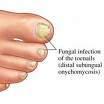 (HealthDayNews) -- Ugly, discolored toe nails may be a sign of a fungal infection. Besides being embarrassing, untreated fungal infections can spread.
Guard yourself against toenail fungus with these tips from the American Podiatric Medical Association:
· Wash your feet regularly with soap and water.
· Dry them thoroughly.
· Make sure your shoes fit properly.
· Wear shower shoes in public areas.
· Change socks, hosiery, even shoes, daily.
· Clip toenails straight across so the nail doesn't extend past the tip of the toe.
· Use a recommended foot powder talcum, not starch.
· Wear socks made of synthetic fiber.
Chemical Reaction May Have Caused Eye Infections
(HealthDay News) -- Government researchers report that a recent outbreak of severe eye infections was indeed associated with the use of ReNu with MoistureLoc contact lens solution, but a chemical reaction that can occur with the solution appears to be the actual culprit.
Officials also believe the fungal contamination occurred in patients' homes, and not in the manufacturing or storage process.
"We think that there's something about the chemical make-up of the solution that allows the fungus to grow and cause infection," said study senior author Dr. Benjamin J. Park, medical officer with the U.S. Centers for Disease Control and Prevention. "We don't know the exact mechanism, but it's important that users of solution don't use Moistureloc."
After the same research team came out with a preliminary report in May, Bausch & Lomb recalled the solution.
For the 34 million contact lens wearers in the United States, the risk of developing keratitis, an infection that can lead to blindness or the need for a corneal transplant, is about four to 21 per 10,000. The risk is amplified for soft lens users, and by wearing lenses overnight or not following correct care protocols.
In February, however, unusually large clusters of patients with Fusarium were reported in Singapore and Hong Kong. A high proportion of these individuals had used a Bausch & Lomb ReNu brand contact lens solution.
Beginning in March of this year, CDC officials started receiving reports of similar cases among contact lens wearers in the United States.
In May, Bausch & Lomb stated that the combination of moisturizing agents exclusive to MoistureLoc could increase the risk of keratitis infections in unusual circumstances. HealthDay's attempts to reach the company for comment on this latest report were unsuccessful.
For this study, which appears in the August 23/30 issue of the Journal of the American Medical Association, CDC researchers looked at confirmed cases of Fusarium keratitis that occurred after June 1, 2005.
As of June 30, 2006, 164 cases had been identified in 33 states and one U.S. territory. About one-third (34 percent) of these patients required corneal transplantation. Almost all (94 percent) wore soft contact lenses.
This latest paper focused on 45 patients and 78 controls. Sixty-nine percent of patients had used ReNu with MoistureLoc, compared with 15 percent of controls.
Researchers did not find Fusarium at the factory or warehouse, or in unopened solution bottles.
Ongoing research is trying to determine the exact mechanism of infection, although when 39 isolates of the fungus were tested, at least 10 different genetic types were found. "This suggests that the organism had a lot of different sources," Park said.
In the meantime, contact lens wearers should take proper care of their eyewear.
"There seems to be an association of this infection with patients who don't replace their contact lens solution on a daily basis. That's a dangerous thing to do," said Dr. Robert Cykiert, a clinical associate professor of ophthalmology at New York University School of Medicine in New York City. "I ask my patients if, when they take a bath, do they drain the bathtub at the end or jump into the same bathwater the same day. You're putting your contacts in old bathwater."
"People who are reusing the old solution are more likely to get an infection," Park confirmed. "But we don't think that this outbreak is due to hygiene measures alone. The most important component was clearly the solution."
More information
For more on Fusarium keratitis, head to the American Academy of Ophthalmology.
Serious Eye Infections May Be Linked to Contact Lens Solution
(HealthDay News) -- U.S. eye doctors expressed alarm Tuesday at a new warning that a rare but serious fungal infection may be linked to a popular contact lens solution.
Tens of millions of Americans may be at risk for the infection, which, in worst cases, can cause blindness, U.S. health officials said in the warning issued late Monday.
"This is troubling because there are about 35 million contact-lens wearers in the USA and, of those, roughly 25 million or 26 million are soft lens wearers," said Dr. Robert Cykiert, clinical associate professor of ophthalmology at New York University School of Medicine. "Basically, everybody who wears soft lenses is at risk for this type of infection."
A large proportion of these people may use Bausch & Lomb's ReNu with MoistureLoc. Twenty-six of 30 patients who suffered infections used this product or a generic brand manufactured by the same company.
"That product is probably the market leader in contact lens solutions, so you're talking about millions of people who are using Bausch & Lomb solutions," Cykiert said.
Bausch & Lomb has suspended shipments of the multipurpose product, although it is still on store shelves.
At the same time, the U.S. Food and Drug Administration and U.S. Centers for Disease Control and Prevention issued an alert to health-care professionals and patients who wear soft contact lenses of the risk.
A fungus called Fusarium has been identified as the cause of the reported infections. As of April 9, there were 109 cases of suspected Fusarium keratitis under investigation by the CDC and health authorities in 17 states. The risk of contracting contact lens-related infection from the fungus, which is commonly found in soil, tap water and many plants, is estimated to be four to 21 per 100,000 patients.
The current cluster of cases represents a "staggering increase in the number of cases" typically seen in the United States, Cykiert said. "This is an extremely serious infection of the cornea. If you get it, this takes weeks or months to treat, some need to be hospitalized for weeks, and very often wind up needing corneal transplants. So this is a very major issue."
Eight U.S. patients have already required corneal transplants, The New York Times reported.
Clusters of the same infection were reported among contact lens users in Asia beginning in November 2005. In February 2006, Bausch & Lomb voluntarily suspended sales of the ReNu multipurpose solutions in Singapore and Hong Kong, according to the FDA.
Investigators have not definitively proven that the ReNu product is the culprit, but Cykiert and others are advising consumers to stop using the product.
"Even though no one is saying it's definitely that solution, when the company suspends shipment and the FDA says they should be careful, why would you test it and use it?" Cykiert said.
"People should not panic, but this is a serious infection. So if people have symptoms and it doesn't get any better, they need to look for help," said Dr. Eduardo Alfonso, a professor of ophthalmology at the Bascom Palmer Eye Institute at the University of Miami. "If left and not taken care of, the fungus gets deeper into the cornea and the chances of recovery are markedly diminished."
Besides urging discontinued use of ReNu and generic brands manufactured by Bausch & Lomb, experts are recommending practicing good contact lens hygiene.
"Patients must remember that contact lenses are a medical device and that you are sticking a foreign item in your eye," said Dr. Norman Saffra, director of ophthalmology at Maimonides Medical Center in New York City. "When you're using medical devices in your eye, prudence should take priority over both looks and ease of use."
Among experts' suggestions:
Do not use contact lenses if your eye is irritated.
Wash your hands with soap and water, and dry them (lint-free method) before handling lenses.
Wear and replace lenses according to the schedule prescribed by the doctor.
Follow specific lens cleaning and storage guidelines from the doctor and solution manufacturer.
Keep the contact lens case clean and replace it every three to six months.
Don't sleep in your lenses, even if the lenses are approved for that use. Nine of the current cases reported wearing contact lenses overnight, a known risk factor for the infection.
Avoid multi-purpose lens solutions that are used both for storage and disinfection. "If it's safe enough to put in your eye after you've cleaned the lens with it, it's not going to be the best disinfectant in the world," Saffra said. "The best burn like hell because they don't belong in your eye."
Talk to your doctor about disposable lenses that involve "no solutions, no mess," Saffra said.
Remove the lenses and contact your doctor immediately if you experience symptoms such as redness, pain, tearing, increased light sensitivity, blurry vision, discharge, or swelling.
"Early diagnosis for this problem can prevent some fearful complications," Saffra said. "These are difficult infections and they're unusual in this part of the world. The cluster associated with this solution is unfortunate but prudence and careful care can help avoid problems."
More information
Visit the FDA to see the public health notice.
Forest Fungus Yields Powerful Antimicrobial
(HealthDay News) -- A fungus found on the floor of northern European pine forests may soon rescue humans from some of the world's most stubborn diseases.
The mushroom in question has yielded an antimicrobial peptide that researchers say has the curative powers of such antibiotic stalwarts as penicillin and vancomycin, and then some.
In laboratory and animal tests, the peptide, called plectasin, effectively battled a number of bacteria, including strains that have become resistant to conventional antibiotics.
"This particular antimicrobial peptide was extremely active against the organisms that causes pneumonia and the organisms that cause strep throat and certain types of severe skin infections," said Dr. Michael Zasloff, co-author of the study, which appears in the Oct. 13 issue of Nature. Zasloff is professor of surgery at Georgetown University Medical Center in Washington, D.C.
If it passes safety and efficacy tests in humans, plectasin could be on the market by 2012, the study authors stated.
Perhaps more exciting, the findings may usher in a whole new era of antibiotic exploration, discovery and eventual treatment.
"There are hundreds of thousands of fungal organisms," Zasloff said. "We would logically expect, and we anticipate, that as we begin to explore hundreds of thousands of species of fungi, we will most likely uncover antimicrobial peptides that are active against, I would imagine, the entire universe of pathogens that touch man including, very likely, viral organisms."
"This appears to have some systemic activity, meaning you can put it into somebody's body and kill bugs without hurting people, so it does probably represent a major step in this particular field," added Steven Projan, a fellow for the American Academy of Microbiology, and vice president for biological technologies at Wyeth Research in Cambridge, Mass. "It's interesting. It's important. We're a few steps away from using this effectively." Wyeth was not involved with the study.
Antibiotic development has been essentially stagnant since the discovery of penicillin in 1929, said Zasloff, who was the first to discover the existence of antibiotics in the skin of frogs.
"We have been searching for a new class of antibiotics that is produced in the bodies of animals and certain plants for the last 15 to 20 years," he said.
Zasloff was part of an international team of researchers funded by Novozymes, a Danish biotech corporation which had already been exploring fungi for enzymes to use in various commercial drugs.
Fungi were a good place to start looking because the chemicals they make are compatible with human bodies. Indeed, penicillin originally came from fungal "bread mold."
"In the evolution of life in the Darwinian sense, we evolve from fungi. They're between us and plants so basically we're the offspring of fungi," Zasloff explained. "Fungi live on decaying stuff. They sure have to protect themselves and they've got one battle ahead of them as soon as they start to consume decaying material -- and they've got all sorts of tools."
But no "defensins," tiny protein molecules that animals produce to ward off infection, had ever been found in a fungi. The problem lay in the method researchers were using to look for them, Zasloff said.
"The standard techniques for production or discovery of antibiotics have been to grow a penicillin mold in a culture medium and then to take a drop of that culture medium and see if there are antibiotics," Zasloff said. "The antimicrobial peptide is barely produced in that type of scenario. We needed new tools."
The research team used biotechnology to "read" the genetic messages of the Pseudoplectania nigrella species of fungus, which had been picked at random.
Identifying plectasin was only a first step. The second step was to reproduce the peptide in a laboratory.
"We cannot produce an antibiotic unless it can be made, and made commercially," Zasloff explained.
With help from the National Center for Antimicrobials and Infection Control in Denmark, the investigators tested plectasin in the laboratory against a number of different bacteria. While effective against several different organisms, plectasin was particularly active against all clinical strains of S. pneumoniae, the leading cause of pneumonia, including those resistant to conventional antibiotics.
When tested in mice, plectasin proved itself to be safe and effective.
Scientists are hoping not only that plectasin will conduct itself the same way in humans, but that other fungal species will be found to contain peptides to head off other infections, including HIV.
"There's a whole new universe of organisms that we had never really fully explored, and which has yielded for mankind the most effective of our antibiotics," Zasloff said. "It can now be explored."
More information
The Alliance for the Prudent Use of Antibiotics has more on these drugs and the emergence of resistant organisms.
Subscribe to:
Posts (Atom)
Health Begins In The Colon $19.99 The REAL Secret to Health is Finally Revealed! Did you know that disease starts and health begins in the colon? You can read more about how to better your health in Dr. Group's exclusive book |