ParaTrex 728x90 Animated 90% could you be one
Showing posts with label fungus-treatment. Show all posts

Saturday, May 10, 2008

Fighting a Fungus That Thrives on Tomatoes

(HealthDay News) -- A molecular-based approach to helping tomatoes fight a fungus that causes wilt has been identified by Dutch scientists.

In agriculture, there's an ongoing battle against the ability of plant pathogens to co-evolve along with their host plant's immune system, according to background information in the study. One way to increase protection is through disease resistance genes that strengthen a plant's immune system.

In this study, the researchers looked at tomatoes and the fungal pathogen Fusarium oxysporum, which causes fusarium wilt disease.

The University of Amsterdam team found that a suppressor protein secreted by some strains of the fungus enables it to overcome two of the tomato plant's disease resistance genes. However, a third resistance gene specifically targets the suppressor protein, making the plant fully resistant to any fungal strain that produces the protein.

This means that with the right set of resistance genes, tomato plants can defeat the fungus.

"This molecular analysis has revealed a hitherto unpredicted strategy for durable disease control based on resistance combinations," according to a news release about the study, published Friday in the journal PLoS Pathogens.

More information
Ohio State University has more about fusarium wilt.

Monday, March 31, 2008

What is a Yeast Infection ?

This video animation illustrates how bacteria coexists with a yeast fungus in the vagina and when conditions change it will increase or decrease the acidity causing the yeast fungi to multiply and cause irritation.


Wednesday, October 11, 2006

Aspergillosis

Definition

Aspergillosis is a large spectrum of diseases caused by members of the genus Aspergillus(see Table below). The three principal entities are: allergic bronchopulmonary aspergillosis, pulmonary aspergilloma and invasive aspergillosis. Colonization of the respiratory tract is also common. The clinical manifestation and severity of the disease depends upon the immunologic state of the patient. Lowered host resistance due to such factors as underlying debilitating disease, neutropenia chemotherapy, disruption of normal flora, and an inflammatory response due to the use of antimicrobial agents and steroids can predispose the patient to colonization, invasive disease, or both. Aspergillus spp. are frequently secondary opportunistic pathogens in patients with bronchiectasis, carcinoma, other mycoses, sarcoid, and tuberculosis.

Forms of the disease
1This is the most common site of primary invasive aspergillosis.
Prognosis and therapy

Special resources: You may also want to refer to the Infectious Disease Society of America-Mycoses Study Group (IDSA-MSG) Practice Guidelines for this disease. It is available at the IDSA website. In addition, The Aspergillus web site offers an in-depth look into all aspects of invasive aspergillosis.

Prognosis depends upon the type and severity of disease as well as the immunological status of the patient. Allergic aspergillosis is typically a chronic entity, but evolves from episodes of acute corticosteroid-responsive asthma to fibrotic end-stage lung disease. Allergic aspergillosis has been successfully treated with corticosteroids, and intraconazole. The prolonged use of steroids in cases of chronic aspergillosis should be approached with caution.

Aspergillomas may be treated by surgical resection. However, this approach may cause significant morbidity and mortality, therefore it should be reserved for patients at high risk to develop severe hemoptysis.

Invasive aspergillosis may be treated with voriconazole, amphotericin B (deoxycholate and lipid preparations), and itraconazole [574, 2171]. The ability of voriconazole to effectively treat invasive aspergillosis and to reduce associated mortality was recently demonstrated by a large well-conducted randomized trial and is particulary noteworthy. A large number of new investigational drugs (posaconazole, ravuconazole, caspofungin, FK463, and anidulafungin (LY303366)) have activity against Aspergillus spp. and are being extensively evaluated. Caspofungin was also recently licensed in the United States for treatment of invasive aspergillosis in patients who are refractory to, or intolerant of other therapies (i.e., amphotericin B, lipid formulations of amphotericin B, and/or itraconazole). However, despite these advances in therapy, the invasive forms of aspergillosis are often associated with significant morbidity and mortality.

Selection of therapy also needs to consider the certainty of the diagnosis. Voriconazole, itraconazole, the investigational azoles with anti-mould activity, and amphotericin B all possess a reasonably broad-spectrum of activity against Aspergillus and the related hyaline moulds. Their activity does, however, vary for the agents of zygomycosis, with posaconazole being the azole with the most reliable activity against this class of fungi. The echinocandin glucan synthesis inhibitors (caspofungin, FK463, and anidulafungin) possess a narrower spectrum of activity and should only be used if the infection is known to be due to Aspergillus spp.
Histopathology

The tissue reaction in aspergillosis is acute suppurative inflammation with areas of ischemic necrosis. The fungus proliferates as septate hyphae 2.5-4.5 µm in diameter . The hyphae can be characterized as branching dichotomously (approximately 45°C angle) with the overall appearance of an army on the march. The hyphae may branch irregularly and appear similar to hyphae found in zygomycosis. Blood vessel invasion, thrombosis, infarction, and dissemination are extremely common.
Laboratory

Direct examination
Clinical material, such as fluids, sputa, or tissue, is mounted in 10% KOH. Long, branching, hyaline, septate hyphae approximately 3.0 µm in diameter typify aspergillosis. The demonstration of hyphae in the clinical specimen and the repeated recovery of the same species of Aspergillus in culture is critical in supporting the diagnosis of aspergillosis. It must always be remembered that a number of other fungi can be morphologically identical to Aspergillus in tissue. On rare occasions, the hyphae of an Aspergillus sp. may have lateral conidia in tissue.

Isolation

Inoculate the clinical material onto Sabouraud glucose agar, Inhibitory Mould Agar (IMA) or other proper medium with antibiotics (gentamicin or chlorampenicol) and incubate at 30°C. The aspergilli are sensitive to cycloheximide, hence they will not grow on media containing this antimicrobial agent. Discard negative cultures after 4 weeks.

Mycology (principal fungi)

Detection of galactomannan antigen in serum

The mortality rate of invasive aspergillosis is as high as 50-100% and definitive diagnosis by culture may take as long as 4 weeks. Thus, early diagnosis is of remarkable significance for earlier initiation of antifungal therapy and reduction of mortality rates. Detection of galactomannan antigen, an exoantigen of Aspergillus, has recently been shown to be a useful screening test for early diagnosis of invasive aspergillosis. Platelia Aspergillus EIA (Bio-Rad Laboratories) is a commercially available kit used to detect galactomannan antigen in body fluids. This method can detect as little as 1 ng/ml of galactomannan in the tested sample. Serum is the most frequently tested specimen and appears to provide highest sensitivity. Use of other samples such as bronchoalveolar lavage and cerebrospinal fluid also appears to provide promising results.

Galactomannan antigen positivity is among the microbiological diagnostic criteria proposed by European Organization for Research and Treatment of Cancer (EUORTC) and Invasive Fungal Infections Cooperative Group and the National Institute of Allergy and Infectious Diseases Mycoses Study Group (MSG) for diagnosis of invasive aspergillosis. This tool continues to gain acceptance: the US Food & Drug Administration approved the marketing of Platelia Aspergillus EIA kit in USA on 16 May 2003.

Galactomannan antigen positivity can be detected 5-8 days (average) before clinical signs develop (in 65.2% of patients), findings on chest X-ray are visible (in 71.5% of patients) and culture results become positive (in 100% of patients). The test should be used as a screening test for patients at high risk of developing invasive aspergillosis. Detection of positive results particularly in two consecutive serum samples provides strong support for the diagnosis of invasive aspergillosis. Platelia Aspergillus EIA can also be used for follow-up of clinical response to antifungal therapy. The titer of the antigen tends to decrease in case of clinical response, except for patients who are treated with an echinocandin compound.


The overall sensitivity and specificity of the method were 80.7% and 89.2%, respectively, in the dataset submitted to the US FDA. False positive reactions have been observed in 1-18% of the tested samples and may be due to cross reactivity or false positive antigenemia. Cross reactivity may be due to the existence of other fungi, such as Penicillium chrysogenum, Penicillium digitatum, Rhodotorula rubra, and Paecilomyces variotii in the tested sample [2216]. The mechanism of false positive antigenemia, on the other hand, has not been fully clarified. It appears to be more frequent in children and may develop after translocation of galactomannan antigen found in various food stuff (bread, pasta, corn flakes, rice, cake, turkey, sausage, etc.) through the damaged intestinal mucosa. In addition to these, very recent data have shown that the serum samples of patients receiving piperacillin/tazobactam (Zosyn®), an injectable antibacterial combination product from Wyeth Pharmaceuticals, may also yield false positive galactomannan antigen test results. Detection of galactomannan antigen in certain batches of Zosyn® strengthened this finding. Thus, Bio-Rad, the manufacturer of the Platelia Aspergillus EIA kit, now states that positive galactomannan antigen test results in patients treated with Zosyn® should be interpreted cautiously. Since the existence of invasive aspergillosis cannot be ruled out in these patients, other methods should be used for confirmation of the diagnosis. You may refer to the practice caution document (released on November 20, 2003) concerning Zosyn® and the Platelia Aspergillus EIA test kit for more detailed information.

You may also want to review our subpage for more detailed information on the key data regarding the use of the galactomannan antigen test in the diagnosis of invasive aspergillosis.
Natural habitat

Aspergillus spp. are ubiquitous in the environment. They are especially common in the soil and decaying vegetation.
Susceptibility Testing

Susceptibility testing is not routinely used to guide therapy of aspergillosis. We offer both a general discussion of susceptibility testing and a searchable database from which you can retrieve specific results from a variety of published articles.
Related Sites and Therapy Information
  • The Aspergillus web site is an excellent and comprehensive resource on all aspects of diagnosis and management of invasive aspergillosis.

  • The Infectious Disease Society of America-Mycoses Study Group (IDSA-MSG) Practice Guideline for treating aspergillosis is available at the IDSA website.
Search for Aspergillosis articles
PubMed

References


135. Ascioglu, S., J. H. Rex, B. de Pauw, J. E. Bennett, J. Bille, F. Crokaert, D. W. Denning, J. P. Donnelly, J. E. Edwards, Z. Erjavec, D. Fiere, O. Lortholary, J. Maertens, J. F. Meis, T. F. Patterson, J. Ritter, D. Selleslag, P. M. Shah, D. A. Stevens, and T. J. Walsh. 2002. Defining opportunistic invasive fungal infections in immunocompromised patients with cancer and hematopoietic stem cell transplants: An international consensus. Clin Infect Dis. 34:7-14.


217. Bennett, J. E. 1995. Aspergillus species, p. 2306-2310. In G. L. Mandell, J. E. Bennett, and R. Dolin (ed.), Mandell, Douglas and Bennett's Principles and Practice of Infectious Diseases, 4th edition ed. Churchill Livingstone, New York.


306. Boutboul, F., C. Alberti, T. Leblanc, A. Sulahian, E. Gluckman, F. Derouin, and P. Ribaud. 2002. Invasive aspergillosis in allogeneic stem cell transplant recipients: Increasing antigenemia is associated with progressive disease. Clin Infect Dis. 34:939-943.


457. Cohen, M. S., R. E. Isturiz, H. L. Malech, R. K. Root, C. M. Wilfert, L. Gutman, and R. H. Buckley. 1981. Fungal infection in chronic granulomatous disease. The importance of the phagocyte in defense against fungi. Am J Med. 71:59-66.


574. Denning, D. W., and D. A. Stevens. 1990. Antifungal and surgical treatment of invasive aspergillosis: Review of 2,121 published cases. Rev. Infect. Dis. 12:1147-1201.


779. Fujimura, M., Y. Ishiura, K. Kasahara, T. Amemiya, S. Myou, Y. Hayashi, Y. Watanabe, E. Takazakura, A. Nonomura, and T. Matsuda. 1998. Necrotizing bronchial aspergillosis as a cause of hemoptysis in sarcoidosis. Am J Med Sci. 315:56-8.


830. Gerson, S. L., G. H. Talbot, S. Hurwitz, B. L. Strom, E. J. Lusk, and P. A. Cassileth. 1984. Prolonged granulocytopenia: the major risk factor for invasive pulmonary aspergillosis in patients with acute leukemia. Ann. Intern. Med. 100:345-351.


852. Glimp, R. A., and A. S. Bayer. 1983. Pulmonary aspergilloma. Diagnostic and therapeutic considerations. Arch Intern Med. 143:303-8.


1029. Herbrecht, R., D. W. Denning, T. F. Patterson, W. V. Kern, K. A. Marr, D. Caillot, E. Thiel, P. Ribaud, O. Lortholary, R. Greene, C. Durand, J. W. Oestmann, P. S. Stark, R. Sylvester, P. F. Troke, H. Schlamm, J. R. Wingard, R. H. Rubin, B. De Pauw, J. E. Bennett, and EORTC-IFIG. 2001. Open, randomised comparison of voriconazole and amphotericin B followed by other licensed antifungal therapy for primary therapy of invasive aspergillosis. 41st Interscience Conference on Antimicrobial Agents and Chemotherapy, Abstract No. J-680.


1031. Herbrecht, R., V. Letscher-Bru, C. Oprea, B. Lioure, J. Waller, F. Campos, O. Villard, K. L. Liu, S. Natarajan-Ame, P. Lutz, P. Dufour, J. P. Bergerat, and E. Candolfi. 2002. Aspergillus galactomannan detection in the diagnosis of invasive aspergillosis in cancer patients. J Clin Oncol. 20:1898-1906.


1164. Kauffman, C. A. 1996. Quandary about treatment of aspergillomas persists [see comments]. Lancet. 347:1640.


1327. Letscher-Bru, V., A. Cavalier, E. Pernot-Marino, H. Koenig, D. Eyer, J. Waller, and E. Candolfi. 1998. Aspergillus galactomannan antigen detection with Platelia (R) Aspergillus: multiple positive antigenemia without Aspergillus infection. J Mycologie Medicale. 8:112-113.


1410. Maertens, J., I. Raad, C. A. Sable, A. Ngai, R. Berman, T. F. Patterson, D. Denning, and T. Walsh. 2000. Multicenter, noncomparative study to evaluate safety and efficacy of caspofungin in adults with aspergillosis refractory or intolerant to amphotericin B, amphotericin B lipid formulations, or azoles. 40th Interscience Conference on Antimicrobial Agents and Chemotherapy, Abstract No. 1103.


1411. Maertens, J., J. Van Eldere, J. Verhaegen, E. Verbeken, J. Verschakelen, and M. Boogaerts. 2002. Use of circulating galactomannan screening for early diagnosis of invasive aspergillosis in allogeneic stem cell transplant recipients. J Infec Dis. 186:1297-1306.


1412. Maertens, J., J. Verhaegen, K. Lagrou, J. Van Eldere, and M. Boogaerts. 2001. Screening for circulating galactomannan as a noninvasive diagnostic tool for invasive aspergillosis in prolonged neutropenic patients and stem cell transplantation recipients: a prospective validation. Blood. 97:1604-1610.


1466. Massard, G., N. Roeslin, J. M. Wihlm, P. Dumont, J. P. Witz, and G. Morand. 1992. Pleuropulmonary aspergilloma: clinical spectrum and results of surgical treatment [see comments]. Ann Thorac Surg. 54:1159-64.


1585. Morrison, V. A., R. J. Haake, and D. J. Weisdorf. 1993. The spectrum of non-Candida fungal infections following bone marrow transplantation. Medicine (Baltimore). 72:78-89.


1739. Patterson, R., P. A. Greenberger, R. C. Radin, and M. Roberts. 1982. Allergic bronchopulmonary aspergillosis: Staging as an aid to management. Ann. Intern. Med. 96:286-291.


1771. Petraitiene, R., V. Petraitis, A. H. Groll, T. Sein, R. L. Schaufele, A. Francesconi, J. Bacher, N. A. Avila, and T. J. Walsh. 2002. Antifungal efficacy of caspofungin (MK-0991) in experimental pulmonary aspergillosis in persistently neutropenic rabbits: Pharmacokinetics, drug disposition, and relationship to galactomannan antigenemia. Antimicrob. Agents Chemother. 46:12-23.


2016. Salonen, J., O. P. Lehtonen, M. R. Terasjarvi, and J. Nikoskelainen. 2000. Aspergillus antigen in serum, urine and bronchoalveolar lavage specimens of neutropenic patients in relation to clinical outcome. Scand J Infec Dis. 32:485-490.


2089. Severo, L. C., G. R. Geyer, and N. S. Porto. 1990. Pulmonary Aspergillus intracavitary colonization (PAIC). Mycopathologia. 112:93-104.


2156. Stanley, M. W., M. Deike, J. Knoedler, and C. Iber. 1992. Pulmonary mycetomas in immunocompetent patients: diagnosis by fine-needle aspiration. Diagn Cytopathol. 8:577-9.


2171. Stevens, D. A., V. L. Kan, M. A. Judson, V. A. Morrison, S. Dummer, D. W. Denning, J. E. Bennett, T. J. Walsh, T. F. Patterson, and G. A. Pankey. 2000. Practice guidelines for diseases caused by Aspergillus. Clin. Infect. Dis. 30:696-709.


2172. Stevens, D. A., H. J. Schwartz, J. Y. Lee, B. L. Moskovitz, D. C. Jerome, A. Catanzaro, D. M. Bamberger, A. J. Weinmann, C. U. Tuazon, M. A. Judson, T. A. E. Platts-Mills, A. C. DeGraff, Jr., J. Grossman, R. G. Slavin, and P. Reuman. 2000. A randomized trial of itraconazole in allergic bronchopulmonary aspergillosis. N Engl J Med. 342:756-762.


2216. Swanink, C. M. A., J. F. G. M. Meis, A. J. M. M. Rijs, J. P. Donnelly, and P. E. Verweij. 1997. Specificity of a sandwich enzyme-linked immunosorbent assay for detecting Aspergillus galactomannan. J. Clin. Microbiol. 35:257-260.


2323. Verweij, P. E., K. Brinkman, H. P. H. Kremer, B. J. Kullberg, and J. Meis. 1999. Aspergillus meningitis: Diagnosis by non-culture-based microbiological methods and management. J Clin Microbiol. 37:1186-1189.


2324. Verweij, P. E., J.-P. Latge, A. J. M. M. Rijs, W. J. G. Melchers, B. E. De Pauw, J. A. A. Hoogkamp-Korstanje, and J. F. G. M. Meis. 1995. Comparison of antigen detection and PCR assay using bronchoalveolar lavage fluid for diagnosing invasive pulmonary aspergillosis in patients receiving treatment for hematological malignancies. J. Clin. Microbiol. 33:3150-3153.


2341. Viscoli, C., M. Machetti, P. Gazzola, A. De Maria, D. Paola, M. T. Van Lint, F. Gualandi, and M. Truini. 2002. Aspergillus galactomannan antigen in the cerebrospinal fluid of bone marrow transplant recipients with probable cerebral aspergillosis. J Clin Microbiol. 40:1496-1499.


Tuesday, October 03, 2006

More Cases of Eye Infections Linked to Recalled Contact Lens Solution

(HealthDay News) -- Cases of a dangerous fungal eye infection that sparked the May 15 market recall of Bausch & Lomb's ReNu with MoistureLoc contact lens solution may be more widespread than previously thought, researchers report.

This infection, called Fusarium keratitis, involves a swelling and inflammation of the cornea that can be harmful to the structure of the eye and the patient's vision. In many cases, scarring is so severe that patients must undergo full corneal transplant.

Now, a new study finds 34 cases of the infection appearing over the past two years in the Miami area alone, compared to just five cases occurring between 1982-1992.

These cases may be just the tip of the iceberg in a worldwide problem, one expert said.

"These articles are just a few case reports representative of the Fusarium corneal infection epidemic in the United States and other parts of the world," said Dr. Robert Cykiert, a clinical associate professor of ophthalmology at New York University School of Medicine.

Cykiert was not connected to the new study, which appears in the June 12 online edition of the Archives of Ophthalmology.

Some 30 million Americans wear contact lenses, and about 2.3 million used MoistureLoc, according to the Associated Press.

Bausch & Lomb also makes ReNu MultiPlus, ReNu Multi-Purpose and various generic brands.
In the new study, lead researchers Dr. Eduardo C. Alfonso and colleagues at the University of Miami's Miller School of Medicine, reported on 34 cases of fungal keratitis, from January 2004 to April 2006, seen in people who wear soft contact lenses.

Alfonso noted that at the University of Miami there were only three cases of fungal keratitis linked to contact lenses between 1969 and 1977, two between 1977 and 1982, and five between 1982 and 1992.

A review of the patients' medical records showed that none of them had a history of disease that would predispose them to fungal eye infections. Twelve of 13 patients who could identify the type of contact lens solution they used said that they used some type of ReNu brand solution.
Two had used ReNu MoistureLoc, the solution implicated in recent Fusarium outbreaks in the United States and Singapore. Nine others used the ReNu brand without specifying a particular product.

After being diagnosed with fungal keratitis, patients were treated for over two months with topical or systemic antifungal medication. Two patients required surgery.

Alfonso's team found that those treated earlier had a faster recovery and did not need surgery. "Based on treatment experience in this series, it is our clinical impression that earlier correct diagnosis with institution of proper specific antifungal therapy resulted in a speedier resolution of the keratitis," the authors said.

Based on their findings, the authors concluded that "Ulcerative keratitis in a soft contact lens wearer should suggest possible Fusarium or other fungal species in addition to bacteria, parasites or viruses as causative organisms. Clinicians should conduct the necessary clinical and laboratory investigations to establish a specific diagnosis promptly to initiate the most specific, efficacious therapy."

In a second report in the same journal issue, Dr. Maria D. Bernal and colleagues at the University of California, San Francisco, reported on four more cases of Fusarium infection among soft contact lens wearers seen during five weeks in early 2006.

"Our report strongly suggests that the current cluster represents an unusual spike over the background incidence of Fusarium keratitis seen during the prior 30 years at our institution," the authors wrote.

"We, other laboratories, and the Centers for Disease Control and Prevention (CDC) are currently investigating the fungicidal properties of the contact lens solutions used by these patients and the genotype characteristics of the Fusarium isolates in an effort to determine the underlying cause of the current apparent outbreak and whether the Fusarium species from these cases originate from a common strain," they concluded.

According to the CDC, there have been over 130 documented cases in the United States in the last six months, Cykiert said. "Approximately 30 percent of the cases have required corneal transplantation. There are probably many more that have not been reported to the CDC, or have not been tabulated yet. Many more patients will need corneal transplants in the future, since these infections often leave severe scarring," he said.

The CDC and Bausch & Lomb have agreed that the infections are directly related to the use of Bausch & Lomb MoistureLoc contact lens solution, Cykiert said. "Somehow, this solution is not adequately killing or eradicating this species of fungus from contact lenses and/or contact lens cases. Bausch & Lomb has appropriately recalled all MoistureLoc solution worldwide," he said.
Cykiert said many consumers might also be wondering if ReNu MositureLoc might be sold in chain stores in a generic form.

"For example, I am fairly certain that Bausch & Lomb manufactures Wal-Mart contact lens solutions," he said. "There has not been any mention, to my knowledge, as to whether the generic contact lens solutions are equivalent to or the same as MositureLoc."

In response, Bausch & Lomb spokeswoman Meg Graham said ReNu MoistureLoc has never been available at Wal-Mart or any other outlet under another name.

"ReNu MoistureLoc was never sold as a private-label item," said Bausch & Lomb spokeswomen Meg Graham. Any supply of the product at these stores was part of the announced recall, she added.

More information
For more on fungal keratitis, head to the U.S. National Institutes of Health.

Tuesday, September 12, 2006

Health Highlights: April 12, 2006

Here are some of the latest health and medical news developments, compiled by editors of HealthDay:
Massachusetts Gov. Signs Universal Insurance Law

Massachusetts is the first state to pass legislation designed to guarantee universal health insurance coverage. Gov. Mitt Romney on Wednesday signed the bill, intended to cover an estimated 550,000 residents who are now uninsured, the Associated Press reported.

Romney did veto a key provision that would have hit businesses that didn't provide health coverage with a $295-per-worker assessment, the wire service said. State congressional leaders have threatened to override this line-item veto and restore the assessment.

The bill provides subsidies and sliding-scale premiums designed to bring low-income residents into existing insurance plans. It will cost an estimated $316 million in its first year, and more than $1 billion by year three, the AP reported.

The law is seen as a national model for a way to offer universal health coverage without creating a single government-run system, the wire service said.
-----
Antipsychotic Drug Studies Favor Cos. Providing Funding: Report
In many studies comparing antipsychotic drugs, the findings favor drugs made by companies funding the studies, says a report in the American Journal of Psychiatry.
Psychiatrist Dr. John Davis and his colleagues analyzed every publicly available pharmaceutical industry-funded study comparing five new antipsychotic drugs against one another. They found that nine in 10 of the studies concluded that the superior drug was the one made by the firm funding the study, the Washington Post reported.
"On the basis of these contrasting findings in head-to-head trials, it appears that whichever company sponsors the trial produces the better antipsychotic drug," Davis and his colleagues wrote.
These studies are the main source of information used by U.S. doctors to prescribe $10 billion worth of antipsychotic drugs each year, the Post reported.

Davis said biases in clinical trial design and interpretation can produce these contradictory results, which can undermine the confidence that patients and doctors have in these drugs.

He estimated that about 90 percent of pharmaceutical industry-sponsored studies that list a well-known academic as the lead researcher are actually conducted by a drug company, which later recruits a university researcher to be the "author," the Post reported.
-----
Evista Doesn't Protect Heart
The drug Evista does not help protect the heart, according to early results from the Raloxifene Use for the Heart (RUTH) trial, drug maker Eli Lilly said Wednesday.

"Because Evista did not prevent coronary events, we want to reinforce for physicians that Evista should not be prescribed for cardioprotection," said Alan Breier, Lilly's vice president and chief medical officer. "Physicians should be aware that the modest reduction of LDL, or 'bad' cholesterol, previously seen in Evista's clinical trials and currently reflected in the label, did not translate into cardioprotection in the RUTH study."

But the RUTH study findings suggest that Evista, which is currently approved in the United States for the treatment and prevention of osteoporosis, may reduce the risk of invasive breast cancer in postmenopausal women, United Press International reported.
Lilly plans to submit the data on the drug's potential for lowering breast cancer risk to the U.S. Food and Drug Administration.
-----
Cause of Eye Infections a Mystery: Bausch & Lomb
Even though its ReNu with MoistureLoc contact lens solution is a suspected cause of an outbreak of dangerous fungal eye infections, eye-care products maker Bausch & Lomb said Wednesday the cause of the infections remains a mystery.
"As far as speculation about theories, there's a lot of them, we've run a lot of them to ground and come up with nothing," Ron Zarella, the company's chief executive, said in a conference call with analysts, the Associated Press reported.
"Every additional test we've run suggests that the formulation is as safe and effective as anything on the market and in particular with regard to Fusarium," Zarella said.
Fusarium is the fungus that's caused 109 reports of eye infections in 17 states since last June. U.S. health officials investigating the outbreak have not made a direct connection between ReNu and the infections. However, most of the patients used the ReNu solution.
On Monday night, Bausch & Lomb stopped shipments of ReNu with MoistureLoc while the U.S. Centers for Disease Control and Prevention conducts its investigation.
In February, the company halted shipments of ReNu in Singapore and Hong Kong due to a surge in fungal eye infections among contact lens wearers. That outbreak is still under investigation.
-----
Coroner Links Detective's Death to World Trade Center Cleanup
A New Jersey coroner has made the first known ruling that links a death to cleanup work at the World Trade Center site in Manhattan following the Sept. 11, 2001, terrorist attacks.
The case involves the death of 34-year-old James Zadroga, a police detective who developed respiratory disease after spending 470 hours working at the site. He died on Jan. 6 of respiratory failure. The autopsy results were released Tuesday by Zadroga's family and union, the Associated Press reported.
"It is felt with a reasonable degree of medical certainty that the cause of death in this case was directly related to the 9/11 incident," Dr. Gerard Burton, a pathologist at the Ocean County medical examiner's office, wrote in the Feb. 28 autopsy.
Zadroga had inflammation in his lung tissue due to "a history of exposure to toxic fumes and dust," Breton wrote. He also detected material "consistent with dust' in Zadroga's lungs; the officer also had a damaged liver and enlarged heart and spleen, the AP reported.
Last week, a report released by the U.S. Centers for Disease Control and Prevention said that many survivors of the World Trade Center attacks are still suffering respiratory problems and psychological symptoms.
-----
Bird Flu May Be Limited Threat to U.S., Expert Says
Even if the dangerous H5N1 bird flu virus does make it to the United States, it's unlikely to be as serious a threat to U.S. poultry or people as it is in developing nations, said Dr. Anthony Fauci, the top U.S. bird flu expert.
"The surveillance is going to be so intense that it is very unlikely that there is going to be the type of situation we see everywhere from Nigeria to Indonesia," Fauci, infectious disease chief at the National Institutes of Health, told the Associated Press.
He noted that U.S. poultry farmers keep their birds isolated from wild birds and that most Americans have limited contact with poultry or their droppings.
"It won't be what you see in countries in which there is no regulation, in which there is no incentive to compensate farmers, in which the people, who are so poor, when they see their chickens are getting infected they immediately sell them or they don't tell anybody because they don't want them culled," Fauci told the AP.


Oxygenator

Oxygenator

$26.00
[ learn more ]

Add to Cart

Oxygenator is a safe, stable, inorganic compound of oxygen and chlorine-containing products, in a colorless and odorless aqueous medium. In scientific studies Oxygenator has demonstrated efficacy as an anti-inflammatory, broad spectrum, bactericidal, fungicidal, as well as a virucidal agent. This product is bonded specifically to release oxygen and not release any chlorine or chlorine by-products into the system.

Enzyme May Aid People With Celiac Disease

(HealthDay News) -- A diagnosis of celiac disease currently means a lifetime of watching what you eat -- making sure that no gluten, a product found in many commonly eaten foods, ever passes your lips.
But that dietary restriction may soon come to an end. According to researchers in the Netherlands, an enzyme originally developed for commercial food processing -- AN-PEP -- may be able to break down gluten in the stomach before it reaches the small intestine. That's important, because the small intestine is where celiac disease originates.
"There is a realistic chance that this enzyme can be used to develop an alternative treatment for celiac disease," said the study's lead author, Frits Konig, professor of immunology at Leiden University Medical Center.
"It is very difficult to predict if such an enzyme-based treatment would actually be preferred over a gluten-free diet, but at the very least, it would provide patients with the option to occasionally follow a normal diet -- for example, when going out or during other social occasions, times when a gluten-free diet is certainly bothersome," he said.
Konig and his colleagues reported their findings in the online journal American Journal of Physiology - Gastrointestinal and Liver Physiology.
Celiac disease affects about 1 percent of people in the United States and Europe, according to Konig. It's an autoimmune disease that occurs when the body mistakenly sees gluten molecules as foreign invaders that need to be destroyed. Along with destroying gluten molecules, parts of the small intestine are destroyed during the immune system response. Eventually, it becomes difficult for the small intestine to properly absorb nutrients from food, which can cause anemia and vitamin deficiencies.
Currently, the only effective treatment is to avoid gluten altogether. While this may not sound difficult, Konig pointed out how hard it really is to do. "Gluten is a common protein found in wheat and related cereals like barley and rye. This means many common food products, like bread, breakfast cereals, pasta, cookies, etc., are forbidden," Konig said. "Moreover, gluten is often used as an additive in the food industry, so, many products that are not normally associated with wheat may contain gluten," he added.
The Netherlands researchers aren't the only ones studying enzymes as a treatment for celiac disease. Earlier this week, researchers at Stanford University announced they had also discovered an enzyme -- EP-B2 -- that can help prevent the inflammatory immune system response that occurs when gluten is consumed.
Both the enzymes used in the Dutch study and the California study have only been tested in cultures, not in humans. There is no animal model for celiac disease, so treatments can't be studied in animals, either. Konig said that, in the acidic environment of the stomach, he believes the enzyme used in the Stanford research wouldn't survive. The AN-PEP enzyme, however, should work well in the stomach, he said.
"AN-PEP is very efficient and completely breaks down gluten proteins into fragments that are so small that they can no longer cause inflammation in the intestine," Konig said. "This we have also demonstrated by using white blood cells from patients that respond to gluten and cause inflammation in the intestine. These cells no longer respond to gluten when it has been treated with the AN-PEP enzyme," Konig added.
AN-PEP is derived from Aspergillus niger, a common fungus, according to Konig. Because Aspergillus niger is already used in commercial food processing, he said he doesn't expect there to be side effects from the treatment.
Konig said the next step is to conduct human trials.
Dr. Roshini Rajapaksa, a gastroenterologist at New York University Medical Center, is enthusiastic about the Dutch findings. "This could be a huge advancement in terms of treating a very common disease, and it will help a lot of people who are suffering or are dramatically changing their lifestyle," she said.
Rajapaksa had a word of caution, however. "Right now, we're dealing with chemicals in test tubes, so we don't know about any potential side effects. All sorts of things occur in the human body, though it doesn't look like there's any reason this shouldn't work," she said.

More information
To learn more about celiac disease, visit the Celiac Disease Foundation.

Tuesday, September 05, 2006

Forest Fungus Yields Powerful Antimicrobial

(HealthDay News) -- A fungus found on the floor of northern European pine forests may soon rescue humans from some of the world's most stubborn diseases.
The mushroom in question has yielded an antimicrobial peptide that researchers say has the curative powers of such antibiotic stalwarts as penicillin and vancomycin, and then some.
In laboratory and animal tests, the peptide, called plectasin, effectively battled a number of bacteria, including strains that have become resistant to conventional antibiotics.
"This particular antimicrobial peptide was extremely active against the organisms that causes pneumonia and the organisms that cause strep throat and certain types of severe skin infections," said Dr. Michael Zasloff, co-author of the study, which appears in the Oct. 13 issue of Nature. Zasloff is professor of surgery at Georgetown University Medical Center in Washington, D.C.
If it passes safety and efficacy tests in humans, plectasin could be on the market by 2012, the study authors stated.
Perhaps more exciting, the findings may usher in a whole new era of antibiotic exploration, discovery and eventual treatment.
"There are hundreds of thousands of fungal organisms," Zasloff said. "We would logically expect, and we anticipate, that as we begin to explore hundreds of thousands of species of fungi, we will most likely uncover antimicrobial peptides that are active against, I would imagine, the entire universe of pathogens that touch man including, very likely, viral organisms."
"This appears to have some systemic activity, meaning you can put it into somebody's body and kill bugs without hurting people, so it does probably represent a major step in this particular field," added Steven Projan, a fellow for the American Academy of Microbiology, and vice president for biological technologies at Wyeth Research in Cambridge, Mass. "It's interesting. It's important. We're a few steps away from using this effectively." Wyeth was not involved with the study.
Antibiotic development has been essentially stagnant since the discovery of penicillin in 1929, said Zasloff, who was the first to discover the existence of antibiotics in the skin of frogs.
"We have been searching for a new class of antibiotics that is produced in the bodies of animals and certain plants for the last 15 to 20 years," he said.
Zasloff was part of an international team of researchers funded by Novozymes, a Danish biotech corporation which had already been exploring fungi for enzymes to use in various commercial drugs.
Fungi were a good place to start looking because the chemicals they make are compatible with human bodies. Indeed, penicillin originally came from fungal "bread mold."
"In the evolution of life in the Darwinian sense, we evolve from fungi. They're between us and plants so basically we're the offspring of fungi," Zasloff explained. "Fungi live on decaying stuff. They sure have to protect themselves and they've got one battle ahead of them as soon as they start to consume decaying material -- and they've got all sorts of tools."
But no "defensins," tiny protein molecules that animals produce to ward off infection, had ever been found in a fungi. The problem lay in the method researchers were using to look for them, Zasloff said.
"The standard techniques for production or discovery of antibiotics have been to grow a penicillin mold in a culture medium and then to take a drop of that culture medium and see if there are antibiotics," Zasloff said. "The antimicrobial peptide is barely produced in that type of scenario. We needed new tools."
The research team used biotechnology to "read" the genetic messages of the Pseudoplectania nigrella species of fungus, which had been picked at random.
Identifying plectasin was only a first step. The second step was to reproduce the peptide in a laboratory.
"We cannot produce an antibiotic unless it can be made, and made commercially," Zasloff explained.
With help from the National Center for Antimicrobials and Infection Control in Denmark, the investigators tested plectasin in the laboratory against a number of different bacteria. While effective against several different organisms, plectasin was particularly active against all clinical strains of S. pneumoniae, the leading cause of pneumonia, including those resistant to conventional antibiotics.
When tested in mice, plectasin proved itself to be safe and effective.
Scientists are hoping not only that plectasin will conduct itself the same way in humans, but that other fungal species will be found to contain peptides to head off other infections, including HIV.
"There's a whole new universe of organisms that we had never really fully explored, and which has yielded for mankind the most effective of our antibiotics," Zasloff said. "It can now be explored."
More information
The Alliance for the Prudent Use of Antibiotics has more on these drugs and the emergence of resistant organisms.

Friday, August 25, 2006

Health Tip: Prevent Athlete's Foot

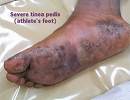
(HealthDay News) -- Athlete's foot is caused by a fungus that produces skin rashes, typically on the soles of the feet and between the toes. It usually appears as itchy, red patches of skin that burn, blister, flake or crack.
Since the fungus spreads in areas that are damp and sweaty, you should keep your feet clean and dry. Always wear socks, and look for all-natural fibers that absorb sweat. Also choose shoes that are well-ventilated, such as those with small holes or mesh.
Athlete's foot is easily spread, and is often found in public locker rooms, pool areas, and showers. To avoid contracting the fungus in these areas, always wear flip flops or some other type of shoe.
Treatment typically involves an over-the-counter antifungal cream or spray, which can clear up the fungus in a few weeks. If athlete's foot doesn't clear up or recurs, you should consult a doctor about a stronger treatment.

Saturday, July 22, 2006

Antifungal Treatment Wins FDA Approval

TUESDAY, Feb. 21 (HealthDay News) -- A drug designed to treat yeast-like fungal infections that often strike hospital patients and people with compromised immune systems has been approved by the U.S. Food and Drug Administration.

Pfizer's Eraxis (anidulafungin) treats infections caused by Candida fungus, which often affects the bloodstream, esophagus, and abdominal cavity, the FDA said. Candidemia, a bloodstream infection caused by the fungus, is among the most deadly hospital-acquired infections of its type, with a fatality rate of about 40 percent, Pfizer said in a statement.

Candidemia affects about 1 in 5,000 people in the United States -- an estimated 60,000 cases each year. The infection causes patients to spend an average of about 10 additional days in the hospital, at a cost of about $39,000 per patient, Pfizer said.

The most common adverse side effects seen during clinical testing of the new drug included diarrhea, mild elevations in certain liver enzymes, headache, and mild allergic reactions, the FDA said.

More information
To learn more about Candida infections, visit the U.S. Centers for Disease Control and Prevention.
Last reviewed: 02/21/2006 Last updated: 02/21/2006

Sunday, July 16, 2006

Nail Fungus and Nail Salons, Even Celebrities Aren't Immune

For millions of suffers, nail fungus is an unsightly and potentially painful problem. Recently, nail salons have been in the news because of reports of unsanitary practices. Singer and American Idol judge, Paula Abdul went before the California Senate and Business Committee to urge them to pass legislation to provide stricter rules and regulations for nail salons in California. Abdul's concern stemmed from an incident in 2004, which had her in and out of hospitals for a year after a manicure gave her a nail infection. The infection had her thumb so sensitive that even the touch of hair on her hand made her scream. Nail fungus is a common infection that affects more than 2.5 million Americans annually.

The most common way that nail fungus is spread is by using utensils that haven't been properly sterilized. One California salon spread infection through more than 110 of their clients. The sources were spa chairs that hadn't been properly cleaned. This company wasn't thoroughly cleaning out the bowls on their spa chairs; as a result, microorganisms were growing inside the filters. The cleaning regulations for footbaths were vague, and didn't include instructions for cleaning the filters. When investigators checked behind the screens, they found that bacteria and other microorganisms were thriving. Even though this was an extreme case, it is indicative of what happens because of lax regulations throughout the industry. The most common infections that are passed from salons are fungal infections, specifically nail fungus. If you find yourself in a position where you have nail fungus, what are your options for eliminating it? You could try a topical over-the-counter medication, which you would just rub over the surface of the nail. This is typically a relatively inexpensive method for treating nail fungus.

The difficulty with a purely topical medicine is that, alone, it's virtually ineffective for treating the infection. It would only provide temporary relief from the pain and discomfort. The next option would be to go to your physician and get a prescription medication. This would actually get into your blood stream to treat the nail fungus from the inside out. Terbinafine is the antifungal medication that would be used to treat this infection and if you bought a generic brand of Terbinafine it would cost around $100 for a month supply. The side effects of Terbinafine vary and some can be staggering. They range from itching, rash, and diarrhea to change in vision, liver and even kidney damage.

If you are more interested in nutraceuticals and an all natural approach to medications, then you should consider Leucatin. Leucatin has both an oral and topical approach to eliminating the fungus. The topical treatment is sprayed directly onto the nail 3 times daily for 7 days. The oral treatment is taken twice daily for 7 days. For $67 you would receive enough product to rid yourself of nail fungus, and the best part is that these products are sold with a one year money back guarantee, to ensure that if you're unsatisfied with the product, you can return it, no questions asked.

Leucatin is a good choice for people who want to treat their fungal infections from the inside and out. Leucatin only takes a week to make nails look healthier and shinier; whereas, some of the other products could take you anywhere from 6 to 12 weeks before the nail would be healed. A person's nails are important to keep maintained. Trying a natural treatment would expedite the healing process, which will get you back to wearing sandals in no time! If you want more information on the product, Leucatin, simply go to http://www.leucatin.com.
Rachelle Ross INCREASE MEDIA
rachelle@selmedica.com 901-753-7588
http://www.leucatin.com

Wednesday, July 05, 2006

Fungi cause a number of human respiratory diseases.

Fungi cause a number of human respiratory diseases. Coccidioidomycosis is caused by the yeast Coccidioides immitis. Although typically contracted by the inhalation of dust containing yeast spores, the fungus may also be introduced through the skin from infected soil. Initial symptoms may resemble the flu, with fever, cough, and possibly a skin rash, and the infection usually runs its course without specific treatment. In rare cases, the fungus penetrates internal tissues, such as the bones, joints, and brain, producing tumors that later form abscesses or ulcers. No treatment is available that can halt the course of this form of the disease.

Wednesday, June 28, 2006

Bacterial vaginosis is an overgrowth of bacteria that are normally in the vagina.

While it's more common in women who are sexually active, it also occurs in women who are not sexually active. It's not usually necessary for your sex partner to be treated. Does it have to be treated?

Yes. If the infection isn't treated, the bacteria may get up into the uterus or the fallopian tubes and cause more serious infections. Treating bacterial vaginosis lowers this risk. Treatment is especially important in pregnant women.

More:

Tuesday, June 06, 2006

Yeast and the Weight Connection

Yeast and the Weight Connection

Wonder where those extra pounds are coming from?
By Carolyn Dean, M.D., N.D.
If I were to tell you that there is a fungus living in your intestines that produces 180 chemical toxins capable of making you feel dizzy and fatigued, shutting down your thyroid, throwing your hormones off balance, and causing you to crave sugar and alcohol, all of which make you put on weight –would you believe me? You probably wouldn’t –few doctors even realize the extent of damage caused by yeast overgrowth but the above scenario is all too true.

To the great detriment of the health of our society, this fungus does exist and it is growing rampant in a large proportion of the population –mostly women. It’s one of the diseases of civilization – the culmination of the side effects of technology and the disservices of our way of life.

The list of chronic diseases is getting longer and longer: heart disease, cancer, chronic fatigue syndrome, fibromyalgia, auto immune disease, and irritable bowel syndrome (IBS). Chronic yeast overgrowth not only worsens all the above conditions but it’s in a whole disease category by itself.

The miracle of antibiotics has its downside because it causes an overgrowth of yeast. The refining of sugar and wheat has its downside by creating a simple food source for yeast. The tremendous levels of stress hormones that flood our bodies daily, hourly, and every minute in our sped up world make us prey to yeast.

WHAT IS YEAST?
Candidiasis (yeast overgrowth) is nothing new; it’s been around for decades, ever since we began to use antibiotics in our society. Yeast itself, a cousin to molds, has grown in human bodies since Adam and Eve. Candida albicans is the main yeast in the human body. It lives there happily enough, kept in check by beneficial bacteria in the intestines. These bacteria make vitamins and help digest excess sugar that gets past the small intestine. A very special group of bacteria make lactic acid, which protects the gut and vagina against yeast.

Candida is one of the 400 organisms that live in our mouth, digestive tract, vagina and on our skin. Most of the time they all get along with their neighbors. When you begin taking antibiotics, the whole delicate balance is lost. Antibiotics wipe out most of the good and the bad bacteria leaving yeast unharmed. In the absence of any competition, yeast colonies grow into all the empty nooks and crannies of the large intestine and even the small intestine. Sugar from our diet feeds yeast and with the special lactobacillus acidophilus bacteria wiped out, there is no more production of lactic acid to protect the delicate intestinal and vaginal tissues from marauding yeast.

The beast, Candida albicans, growing wildly inside our bodies is an epidemic out of control. Most people, if they think of it at all, imagine yeast as just a pesky vaginal infection that a treatment of vaginal cream will cure overnight. Unfortunately, that’s just not the case for millions of people, especially women who suffer an astonishing array of health complaints from yeast overgrowth, yeast allergy and a build up of yeast toxins.

Leaky Gut: An Open Door To Our Tissues
It is a scientific fact that when yeast cells reach a certain critical mass they change from a round budding stage to a thread-like tissue invasive stage. They are simply running out of food and looking for more. They pack their bags and emigrate from their main home in the large intestine into the small intestine. In the small intestine, the yeast threads poke holes in the intestinal lining. With this superhighway to the blood stream, there is nothing to stop yeast chemical by-products (all 180 of them), undigested food molecules, bacterial toxins, and other chemicals from taking a one-way ride. The holes are not necessarily big enough to allow yeast to get into the blood stream, so there is no blood infection of yeast, just hundreds of waste products that should be flushed down the toilet that end up causing head to toe symptoms leak into the blood. Yes, leaky gut happens when toxins leak into the blood stream and tissues of the body.

When these toxins hit the blood stream they trigger widespread inflammatory and allergy reactions. Many of the toxins like aldehyde, alcohol, zymosan, arabinitol, and gliotoxin have been named. They impair the immune system and the central nervous system. Others block thyroid function, impair female hormones and cause symptoms of PMS and aggravate menopause but haven’t yet been properly studied. Inflammation is being investigated as the underlying cause of heart disease, bowel disease, arthritic conditions, and auto immune disease. It is also intimately involved with weight gain, fatigue, allergies, asthma, headaches, irritability, and dozens of other health complaints.

The Yeast Questions
Have you taken several courses of antibiotics in the past?
Have you been on the birth control pill?
Do you react to the smell of damp moldy places?
Do you crave sugar and bread?
Do you feel drained to the point of exhaustion?
Do you have symptoms of intestinal gas, bloating, and cramping (IBS)?
Are you troubled by constant vaginal infections?
Are you bothered by itchy burning eyes?

Yeast and Belly Fat
What does belly fat have in common with beef cattle? Antibiotics! These drugs are liberally used in the beef industry for the specific purpose of “beefing up” cattle. It is little recognized that antibiotics can do the same to humans! Yeast can contribute pounds of fluid retention in an attempt by the body to dilute the toxins that yeast produces. Over time, in both cattle and people, tissue toxins and fluid build up lead to cellulite and weight gain.

Belly fat is more than just fat. Yeast causes abdominal bloating that can add an extra 5-7 inches that seems to appear out of nowhere. This can be devastating for someone who is on a diet and trying to lose weight and lose inches. If a woman says she has only been eating 1,000 calories a day for a week yet still gained weight a doctor tends to think she is not being truthful. However, if most of her diet is carbohydrates and sugar she may very well be growing yeast, which create a toxic build up and fluid retention to dilute the toxins. It’s a whole new way of looking at weight gain.

Besides bloating and toxic fluid build up, yeast can decrease thyroid function and lead to lowered metabolism, which is a well known cause of weight gain. Some yeast toxins can block hormone receptors and block hormone action. Hypothyroidism and PMS can be the direct result of yeast overgrowth.

When you crave carbs and give into those cravings you will also experience weight gain as the carbs turn into fat cells. Those food cravings that we think are just a lack of will power can actually be caused by yeast clamoring for their favorite food.

Yeast overgrowth also causes the immune system to overwork trying to deal with the toxic overload. This places chronic stress on the adrenal glands, which raises cortisol levels. One thing we know about cortisol is that you can’t lose weight when your levels are elevated due to chronic stress. That’s because the body perceives stress as an emergency and the worst emergency for the body is starvation—therefore it’s never going to give up an ounce of stored fat that it might need!

Where’s the Cure?
Unfortunately, the answer does not lie in a pill as many women have found out when they go to their doctor. Even if the doctor does recognize yeast overgrowth the most common treatment recommended is a week or two or antifungal medications. As one client, who is a chemist remarked to me that she is very concerned about taking fluoride compounds like Diflucan, the most well known antifungal medication. Doctors who are too dependent on prescriptive medicine don’t understand that yeast over growth requires a 6-Point Yeast Fighting Program. Information on this program is freely available at http://www.yeastconnection.com/ and follows in abbreviated form.

Diet: avoid sugar, wheat and dairy as well as fermented foods, and alcohol.
Probiotics (good bacteria): the best ones are acidophilus and bifidus. Obtain products that guarantee 2-10 billion organisms per capsule.

Antifungal supplements: garlic (eat one or two cloves a day), oil of oregano (take 2-3 capsules per day) and grapefruit seed extract (take two to three capsules per day) or take a formula that also includes caprylic acid, pau D’Arco, black walnut, beta carotene, and biotin.
Exercise to move the lymph circulation that clears toxins from the body.

Stress release to reduce the amount of natural cortisol that creates yeast overgrowth.
Work with a caring physician-download a physician packet from yeastconnection.com.
It is only through diet and lifestyle change that people can overcome yeast overgrowth—but they do overcome it.


Sunday, May 21, 2006

Vaginal Yeast Infections

Vaginal Yeast Infections

Vulvovaginal candidiasis, known as vaginal yeast infections, affects the lower genital tract of women. Recently, advances in molecular epidemiology, host mucosal immunology, and antifungal treatment have brought up investigations into this common infection.
Women spent over half a billion dollars on medications to treat vulvovaginal candidiasis in 2002. Half of this amount was spent on over-the-counter preparations. However, many women wrongly diagnose the condition and may actually suffer from bacterial vaginosis.
It is hard to find data on the epidemiology of vulvovaginal candidiasis, likely because vaginal colonization with Candida, which is a prerequisite for the condition, occurs in at least 40 percent of adult women.

According to experts, at least half of women will experience vulvovaginal candidiasis by their mid-20s, and up to 25 percent of these women will suffer from four or more episodes a year.
Women with poorly controlled diabetes, systemic immunosuppression or immunodeficiency, and who use antibiotics may be predisposed to vulvovaginal candidiasis, however the pathogenesis of recurring vulvovaginal candidiasis among women with no known risk factors is under investigation.

Recurrent disease likely involves some breakdown of the normal mucosal immune processes that allow for mucosal "tolerance" to the organism. Behavioral risk factors for recurrent vulvovaginal candidiasis are unclear, however investigators have suggested that receptive oral sex and increasing frequency of intercourse may play a role.
The effectiveness of suppressive treatment for women with recurrent infections has recently been validated. Taking weekly medication after an initial regimen of topical imidazole or oral fluconazole works well. However, it can be difficult to determine when to stop such a regimen, as once the medication is stopped the episodes may start up again.

Investigators note that many symptoms attributed to vulvovaginal candidiasis are actually caused by bacterial vaginosis, the most common cause of vaginitis among women. Bacterial vaginosis is often diagnosed with vulvovaginal candidiasis. Genital herpes and genital dermatitis, such as lichen planus, may also be misdiagnosed as recurrent vulvovaginal candidiasis.
There is debate over the effectiveness of vaginal fungal cultures, however most experts agree that they can enhance the sensitivity of diagnosis of vulvovaginal candidiasis in women.

BMJ May 10, 2003; 326:993-994 (Full Text Article)
Vaginitis
Yeast and Fungus Forum

How to Treat Yeast Infections Naturally

How to Treat Yeast Infections Naturally

By Dr. Kendra Pearsall
Infection of the vaginal tract (vaginitis) is one of the most common reasons for women seeking medical attention. There are many types of vaginal infections, but one of the most common is the yeast infection, Candida albicans, which is demonstrated by a thick, curdy white, itchy discharge and reddened, raw vaginal tissue. When the ecology of the vagina is disturbed, the beneficial bacteria in the vagina are destroyed, and Candida is allowed to proliferate, leading to a yeast infection. Therefore, if you are a woman and you have a yeast infection, you must always ask yourself what may have caused this imbalance.

Here are some questions to consider:

Do you eat sugar, or are you diabetic? (Candida thrives on sugar.)
Are you wearing synthetic panty hose or panties without a cotton crotch?
Do you wash your vagina with soap? (Soap can irritate the tissues. In most cases only water and a washcloth are necessary.)
Do you have a depressed immune function due to an illness or unhealthy lifestyle? (Eating junk food or inadequate sleep, etc.)
Are you taking antibiotics (which kill healthy flora), steroids or birth control pills (which adversely affect the pH of the vagina)?
Are you pregnant?
Have you ruled out food, pollen, detergent or semen allergies with a medical practitioner trained in allergies?
Are you sexually active? (Sexual intercourse is contraindicated while you are infected as you may pass the Candida to your partner and continue to pass it back and forth.)


Natural treatments for yeast infections include:
You must eat a healthy, low-sugar, low-grain diet as prescribed in Dr. Mercola’s Total Health Program, which I co-authored. You can get an idea of the program by checking out the nutrition plan.
You will want to increase your probiotic intake with Probioti capsules or by eating cultured foods because these contain the good bacteria that keep your vagina and gastrointestinal tract healthy and will replace the Candida. This is especially important if you are taking antibiotics.


After I met Donna Gates, author of The Body Ecology Diet, in February, I have become a strong believer in the importance of cultured foods and eat them with every meal to aid in digestion.


When people complain to Donna that they don’t have time to shred vegetables, she recommends people make it into a party and prepare it in bulk while socializing. Cultured vegetables are amenable to mass production because they keep for months on end without spoiling.


Other good cultured foods are plain organic yogurt and miso. Cultured foods are eaten in every culture and ideally should be eaten with every meal because of their amazing health benefits.


Other dietary considerations include avoidance of all simple sugars, dairy (except if cultured), alcohol, cheeses, dried fruits, melons, peanuts and all suspected food allergens as all these will exacerbate Candida.


Natural topical treatments include:
Inserting one Boric acid powder capsule morning and evening for three to seven days for an acute infection, and 14 to 30 days for a chronic infection. I have not seen Boric acid capsules widely available in health stores or pharmacies but women can make their own by buying a bottle of Boric acid powder and gelatin capsules (a capsule-making machine makes the process go faster).


Studies show the effectiveness of Boric acid is very high especially in women with chronic resistant yeast infections--one study with 100 women showed a 98 percent success rate with this condition. If you find that the Boric acid irritates your external genitalia you can protect the tissue with vitamin E oil (preferred) or Vaseline.


Insert a garlic clove into the vagina in the morning and an acidophilus capsule in the evening for three to seven days.


Prepare a retention douche with bentonite clay, Pau D’ Arco tea, yogurt, tea tree oil and goldenseal and douche two times a day for seven to 10 days.
Soak a tampon with diluted tea tree oil and keep it in the vagina overnight.
Allopathic treatments include the following anti-fungals:
Clotrimazole, Miconazole, Terconazole suppository creams available over-the-counter or by prescription.


Fluconazole, a single-dose treatment.
In my experience as a physician, I have been able to treat some of my female patients with the natural herbal remedies successfully. On the other hand, I’ve had female patients who’ve spent painful itchy days on end because they insisted allopathic treatments were evil, only to go nearly insane from their agonizingly raw, irritated vaginas.


Ultimately, a few of these women, perhaps temporarily insane from the pain, wound up crawling to the store for the anti-fungal creams, ripping open the box, and inserting the cream right there in the pharmacy aisle!


The moral of this story is that you may wish to experiment with Boric acid or herbal treatments, but if you do not see results after five days you may wish to use an allopathic treatment, which is relatively harmless if used infrequently.


In conclusion, the best way to prevent and treat yeast infections is to eat a healthy, low-sugar, low-grain diet, eat cultured foods, avoid the high-risk behaviors described above and experiment with any of the above treatments that you are intuitively drawn to, and I will bet that Candida albicans shall not hold your vagina hostage ever again.

How a New Universal Healing Aid Resolved a Chronic Yeast Infection

How a New Universal Healing Aid Resolved a Chronic Yeast Infection

by CJ Puotinen
Some medical problems are just as frustrating for physicians as they are for the patients they are trying to treat. One such problem is candidiasis, a systemic infection caused by Candida albicans, an organism that is classified as both a yeast and a fungus.
Candida occurs naturally and is normally held in check by beneficial bacteria in the digestive tract.
However, following treatment with antibiotics, which destroys beneficial as well as harmful bacteria, or when well fed (Candida yeast thrives on sugar and carbohydrates), Candida can take over.
An estimated 35 percent of women using birth control pills have chronic vaginal yeast infections. In men, jock itch and athletes foot are common Candida-related problems.
Children, especially those who have been on antibiotics, can develop thrush (a throat infection), allergies, and other problems. Even the family dog can develop chronic ear infections because of Candida.
Raul Vergini, MD, a physician in Italy, knows how difficult it is to eliminate candidiasis, so when one of his patients couldn't get rid of this condition, he offered a different prescription. He taught her EFT (Emotional Freedom Techniques).
EFT involves a combination of acupressure and focused thought and is said to correct energy imbalances that contribute to health problems. At first glance that may seem strange and, for most of us, imagining that such a procedure can correct a chronic health problem is a bit of a stretch.
Can tapping with the fingertips on key acupuncture points actually treat an illness like candidiasis?
The answer is yes, and there is much evidence of EFT's wide-reaching ability to provide substantial benefits for almost every physical and emotional ailment. The EFT Web site is loaded with actual case histories and urges everyone to "Try it on Everything!"
Dr. Vergini thought it was worth a try. His 29-year-old patient was in her seventh month of pregnancy and had been suffering for five months with persistent itching, burning, discharge, and inflamed irritation.
Her gynecologist had advised her to avoid sugar, use an antimycotic soap, and apply a prescription antifungal cream locally, none of which helped. She had previously tried homeopathic treatments as well as prescription washings and vaginal suppositories.
Dr. Vergini had recently begun to study EFT, reading a free training manual that he downloaded from EFT's official Web site and watching videotaped training seminars on DVD. He knew enough to teach his patients the basics, and she tapped with him as they focused on her symptoms.
"After a couple of days she called me and told me that the itching and burning were almost completely gone," Dr. Vergini reported. "After a week the discharge was also gone.
"Now from her reports and from what I can see, she can be considered clinically free of Candida. She was also able to easily control, with EFT, the stomach burning she experienced every evening after dinner, especially when lying down. I think that EFT made another great score here."
For more information, explore the EFT Web site and its numerous success stories regarding fears, phobias, emotional traumas and physical ailments.
While a complete description of EFT is beyond the scope of this article, you can learn all the basics from the free EFT Get Started Package on the EFT Web site. This includes a free download of the 79-page EFT Manual. Those wishing to save time and dive right in can get the affordable five-star training DVDs.
Please consult qualified health professionals before putting EFT into practice for yourself or others.

Saturday, March 04, 2006

Systemic Yeast, Fungus Infections, Bloat, Candida Albicans | GREATDANELADY.COM

Treatment: Internal Problems

1). Food - Eagle Pack - Holistic Duck or Holistic Fish, Holistic Chicken or Senior - To locate a retailer go to their website .....www.eaglepack.com
2). Then introduce the Yeast Removal Kit 877-816-6500 or www.nzymes.com which includes:
Oxy-Drops - to destroy the yeast/fungus in the gut and to keep the proper pH of the gut so it is an uninviting environment for fungus to proliferate
BacPakPlus - Fortified - beneficial bacteria needed to restablish the flora of the gut, crowd out the fungus and to protect the lining of the intestines from leaky gut syndrome.
Nzymes - A Dietary Enzymes - needed to detoxify the body from the byproducts of the dying fungus and bacteria.
Tincture of Blackleaf - works with Oxydrops to destroy fungus

Add diluted Oxy-Drops concentrate to their food. Put 1 drop per 20 lbs. of body weight, mixed in 2 to 4 ounces of water and pour over the food to make sure it gets in their system. Oxydrops kills fungus and pathogenic bacteria because it attacks a particular enzyme, only present in the fungus and bad bacteria. I also put some drops in their drinking water. For a large dog in a gallon of water, I use 5 drops. With my Pug, I will use 1-2 drops to her small bowl of water.
For itchy skin, ears or eye infections mix 1 teaspoon of OxyDrops in 1 cup of distilled water and wash or spray it on the areas 2-4 times a day. Black dogs will fade to red, so if this is a show dog, you may have to wait until the new coat comes in.

All of these products together, a good food, probiotics/digestive enzymes, dietary enzymes and Oxydrops will work to stem the rise of fungus and get the system back into balance within time. Be patient, it takes 30 - 90 days to get this problem corrected.
You must use a meat based holistic food and For a complete list of raw diet options and commercial foods see: Blackwatch Feed Program For Systemic Yeast Infection

more info at: www.dreddyclinic.com

Systemic Yeast, Fungus Infections, Bloat, Candida Albicans | GREATDANELADY.COM

Ways to Control Yeast/Fungus Overgrowth
Treatment: External Problems
Bathe: Use a sulfur-based or medicated shampoo for fungus, one with Ketoconazole - KetoChlor Shampoo by VirBac - have your vet order it for you.
Then use a Baking Soda rinse after shampooing, it will be quite helpful with the overall itchiness, skin problems and inflammation.
BAKING SODA RINSE RECIPEMix two (2) teaspoons of BAKING SODA per gallon of warm water; make sure to mix it so it completely dissolves - poor over pet, do not rinse off.
After bathing and animal is dry: Prepare a 2 % solution of Oxy-Drops (Mix 1 teaspoon with 1 cup (8ozs.) of distilled water). Use this to spray or wipe skin, ears, and feet with to prevent secondary bacterial infection.

more info at www.dreddyclinic.com

Systemic Yeast, Fungus Infections, Bloat, Candida Albicans | GREATDANELADY.COM

Systemic Yeast, Fungus Infections, Bloat, Candida Albicans GREATDANELADY.COM: "Like A Thief In The Night...

In the past years we have seen the overuse of antibiotics in humans and animals, with little regard for the ramifications of this overuse on the environment of the beneficial bacteria of the gut (intestinal flora).

Antibiotics are necessary at times, but need to be use judiciously, and at the same time as we are using antibiotics, we need to supplement probiotics (beneficial bacterias) to reestablish the intestinal flora of the gut that is killed off from antibiotics or lost to stress.

In this article I would like to suggest another approach to the cause and treatment of skin allergies, itchy skin, dry coat, read itchy feet and ear infections. These conditions/diseases are common in other breeds and can happen in any other breeds, some more than others, probably based on their ability to handle stress and the prevalence of the use of antibiotics within a breed.

We have learned using a 'meat based' diet (raw or kibble), and the use of probiotics (beneficial bacteria) and digestive enzymes and dietary enzymes, are beneficial in helping to prevent bloat and getting the most nutrients out of the diet."

more info at http://www.dreddyclinic.com/

Infection of the skin by Candida albicans (cutaneous candidiasis)

Infection of the skin by Candida albicans (cutaneous candidiasis): "Infection of the skin by Candida albicans (cutaneous candidiasis)"


What is it? An infection of the skin by the yeast-like fungus Candida albicans. What causes it? The human body contains a vast number of different micro-organisms, including fungi, both on the inside and on the outside. Some of these micro-organisms are beneficial. Others have no effect until either there is a change in their nature or there is a decrease in the body's resistance to them. This allows one type to grow excessively and leads to an infection - a fungal infection of the skin. In principle, Candida albicans can infect all areas of the skin as well as the mucous membranes but it prefers warm moist places. Infections by Candida albicans, especially the variants that are found in the mucous membranes or the genitals, are contagious. They can be spread from person to person by direct contact, by sexual contact and indirectly by damp towels or flannels. What are the symptoms? The fungus is, typically, found in skin folds, under women's breasts, in the groin, on the genitals and in the area around the anal orifice. The symptoms are:
itchy, purple patches on the skin that resemble eczema. The itching in these patches is highest near the edge.
a small degree of scaling.
blisters resembling spots are often seen around the itchy patches. Who is at increased risk?
Babies with a nappy rash.
People with a metabolic disorder, including diabetics.
Overweight people.
Pregnant women, and women who take high-dose contraceptive pills, eg Ovran.
People who work in wet conditions.
People who are HIV-positive or suffer from another type of immunodeficiency. What can be done at home? A high standard of hygiene and good general health are vital in the prevention of an infection by this fungus. An infection is more likely when a person has other skin problems or has become unhealthy for other reasons.
Wash regularly and dry the skin carefully afterwards. Overweight people should be careful to dry all skin folds.
Avoid using other people's towels.
Wear clothes that are made of cotton or wool. These will allow the skin to breathe and rid itself of surplus moisture. Change clothes and socks regularly so that you are always wearing dry ones.
Wear sandals or leather shoes instead of trainers.
Wash the hands very carefully after touching an infected area and after applying an antifungal cream. How is it diagnosed? The diagnosis is made on the basis of the skin's appearance and a skin scrape. It is important, if possible, to pinpoint the cause. What happens if it gets worse? For people who work in wet conditions, the fungus may cause some highly unpleasant eczema-like changes. In addition, the fungus may also lead to an infection of the nails, causing them to crumble away.In people who have some form of immunodeficiency, the fungus may spread over the entire body creating a very serious and potentially dangerous condition - generalised mucocutaneous candidiasis. Future prospects If the cause of the infection can be brought under control, the infection will disappear after an antifungal treatment. However, like other fungal infections, this condition may return if a favourable environment is created again. What is the treatment? Bringing the cause of the infection under control may mean losing weight, better hygiene or regulation of a person's diabetes. The doctor may also offer a local treatment of the fungus with some of the medications shown below. The doctor will often choose a combined treatment consisting of an antifungal cream and a corticosteroid (an anti-inflammatory hormone), which makes the red itchy patches go away. In difficult cases, or where the infection is spreading, the doctor will offer a systemic treatment, possibly by injection. What medication can be used?
Antifungal agents against yeast fungus - as creams, liniments and shampoos.
Antifungal medication against yeast fungus, for injection or in tablet form.
Based on a text by Dr Flemming Andersen and Ulla Soderburg, specialist

Health Begins In The Colon

Health Begins In The Colon

$19.99
[ learn more ]

Add to Cart

The REAL Secret to Health is Finally Revealed! Did you know that disease starts and health begins in the colon? You can read more about how to better your health in Dr. Group's exclusive book