This video animation illustrates how bacteria coexists with a yeast fungus in the vagina and when conditions change it will increase or decrease the acidity causing the yeast fungi to multiply and cause irritation.

Showing posts with label natural-cure. Show all posts
Showing posts with label natural-cure. Show all posts
Monday, March 31, 2008


Wednesday, August 01, 2007
Natural Protein May Be Lymphoma's 'Bodyguard'
(HealthDay News) -- Researchers say they've spotted a protein that prevents the body's immune system from recognizing and attacking Hodgkin's lymphoma cells.
A team at the Dana-Farber Cancer Institute, Boston, are now investigating targeted therapies to disable the protein, called Galectin 1, to improve a patient's ability to fight the blood cancer.
"We're excited about this treatment lead," study leader and medical oncologist Dr. Margaret Shipp said in a prepared statement. "We are currently generating antibodies that can neutralize (Galectin 1), and we'd like to fast-track this experimental therapy into clinical trials," she said.
If the treatment approach proves effective, it may help patients with Hodgkin's lymphoma avoid long-term complications -- such as heart damage and the risk of developing a second kind of cancer -- caused by standard treatments that include radiation, Shipp said.
The research was published online July 30 in the journal Proceedings of the National Academy of Sciences and is expected to be in an upcoming print issue of the journal.
Almost 8,200 people (most of them young adults) in the United States will be diagnosed with Hodgkin's lymphoma this year, and about 1,070 people will die from this kind of cancer, according to the American Cancer Society.
Shipp believes Galectin 1 may play a role in other kinds of cancers. She noted that a colleague at the University of Buenos Aires in Brazil has found that blocking Galectin 1 in mice with melanoma skin cancer enabled the rodents' immune systems to eliminate that malignancy.
More information
The American Cancer Society has more about Hodgkin's lymphoma.
Thursday, January 18, 2007
The Benefits of Colon Cleansing
 by Dr. Edward F. Group III updated 7 days ago
Almost all of us know what it feels like to suffer from constipation or diarrhea. These tiresome yet common conditions affect millions of Americans each year, causing such problems as bloating, abdominal pain, discomfort, and nausea.
Yet despite the frequency of these conditions, they are often surprisingly easy to treat and prevent. Maintaining the health of your colon can help to significantly improve your overall health and limit the occurrence of constipation and diarrhea. By following a regular routine you can enjoy these benefits of colon cleansing and more.
Improving Your Health
Dr. John Harvey Kellogg was a famous surgeon and the creator of Kellogg's Corn Flakes. He was also one of the earliest and most famous believers in the need to maintain the health of the colon. Dr. Kellogg believed that the root of most health problems originated in the bowel. This is why he developed a bran cereal that would help people improve the functioning of their colons.
An unhealthy colon is one in which fecal matter has been allowed to build up on its walls and within its cells. Over time, this fecal matter becomes encrusted in the colon, blocking its openings and slowing down the passage of stools.
This fecal matter then continues to build up for days, weeks, months, and even years, putrefying and then poisoning your entire system. And as Dr. Kellogg suggested, poor health in the colon can lead to the development of a number of other conditions. Illnesses such as cardiovascular disease, cancer, colds, influenza, arthritis, and allergies are all examples of diseases that have been associated with a toxic colon. In fact, in most cases, the severity of a disease can be linked directly to the level of toxicity in the colon.
Improved overall health is one of the most significant benefits of colon cleansing. By removing the toxins that have built up over time, colon cleansing allows the digestive system to function more efficiently. More nutrients are absorbed from food, and toxins are flushed out of the colon before they have a chance to harm our health. This improves the health of the immune system and the entire body.
Preventing Constipation
One of the primary benefits of colon cleansing is that it improves the functioning of the colon and is helpful in alleviating or preventing constipation. The typical American diet is rich in foods that cause constipation such as meats, dairy products, and pre-packaged dinners. These foods are high in fat, refined sugars, and preservatives and they can be very difficult to digest. In addition, most Americans do not even come close to eating the recommended amount of fiber that helps to aid digestion and move waste through the system.
The result is a partial decomposition of waste, which becomes encrusted on the walls of the colon walls and hinders elimination.
Regular colon cleansing helps to remove this undigested waste as well as the hardened fecal mater that is blocking the passageway of the colon. Waste can pass quickly and efficiently through the system, preventing or alleviating the development of constipation.
Weight Loss
One of the surprising benefits of colon cleansing is that some people experience significant weight loss after treatment. The average colon weighs approximately four pounds. But it is not at all unusual for colon cleansing to flush away as much as ten to thirty pounds of stagnant fecal matter.
Additional Benefits of Colon Cleansing
Increased energy levels
Clearer skin
Improved concentration
Better absorption of vitamins and minerals from foods
Overall healthful feeling
Maximizing the Benefits of Colon Cleansing
There are several methods that you can use to cleanse the colon, such as colon hydrotherapy, colonic fasting diets, laxatives, and nutritional supplements. However, oxygen based colon cleansers are the very best method for deep-cleaning the colon and maximizing all of the benefits of colon cleansing.
Oxy-Powder® utilizes an oxygen-based formula to soften and remove toxins and hardened fecal matter from the system. It works throughout the entire intestinal tract and clears away matter that could lead to development of illness or constipation. Colon cleansing with Oxy-Powder® is a safe and effective way improve your overall health, prevent and alleviate constipation and even lose those few extra pounds.
Dr. Edward F. Group III continues to develop, sell and evaluate exclusively high-end natural and organic healthcare products to support a wide range of health conditions. The products we promote are free of toxic tag-along herbicides, insecticides, pesticides, heavy metals, fumigants, irradiation, liver-toxic glues, binders, or gelatin capsules with animal-source risk and toxic preservatives.
more info: http://www.dreddyclinic.com/products/oxypowder.htm
Wednesday, October 11, 2006
Aspergillosis
Definition
Aspergillosis is a large spectrum of diseases caused by members of the genus Aspergillus(see Table below). The three principal entities are: allergic bronchopulmonary aspergillosis, pulmonary aspergilloma and invasive aspergillosis. Colonization of the respiratory tract is also common. The clinical manifestation and severity of the disease depends upon the immunologic state of the patient. Lowered host resistance due to such factors as underlying debilitating disease, neutropenia chemotherapy, disruption of normal flora, and an inflammatory response due to the use of antimicrobial agents and steroids can predispose the patient to colonization, invasive disease, or both. Aspergillus spp. are frequently secondary opportunistic pathogens in patients with bronchiectasis, carcinoma, other mycoses, sarcoid, and tuberculosis.
Forms of the disease
1This is the most common site of primary invasive aspergillosis.
Prognosis and therapy
Special resources: You may also want to refer to the Infectious Disease Society of America-Mycoses Study Group (IDSA-MSG) Practice Guidelines for this disease. It is available at the IDSA website. In addition, The Aspergillus web site offers an in-depth look into all aspects of invasive aspergillosis.
Prognosis depends upon the type and severity of disease as well as the immunological status of the patient. Allergic aspergillosis is typically a chronic entity, but evolves from episodes of acute corticosteroid-responsive asthma to fibrotic end-stage lung disease. Allergic aspergillosis has been successfully treated with corticosteroids, and intraconazole. The prolonged use of steroids in cases of chronic aspergillosis should be approached with caution.
Aspergillomas may be treated by surgical resection. However, this approach may cause significant morbidity and mortality, therefore it should be reserved for patients at high risk to develop severe hemoptysis.
Invasive aspergillosis may be treated with voriconazole, amphotericin B (deoxycholate and lipid preparations), and itraconazole [574, 2171]. The ability of voriconazole to effectively treat invasive aspergillosis and to reduce associated mortality was recently demonstrated by a large well-conducted randomized trial and is particulary noteworthy. A large number of new investigational drugs (posaconazole, ravuconazole, caspofungin, FK463, and anidulafungin (LY303366)) have activity against Aspergillus spp. and are being extensively evaluated. Caspofungin was also recently licensed in the United States for treatment of invasive aspergillosis in patients who are refractory to, or intolerant of other therapies (i.e., amphotericin B, lipid formulations of amphotericin B, and/or itraconazole). However, despite these advances in therapy, the invasive forms of aspergillosis are often associated with significant morbidity and mortality.
Selection of therapy also needs to consider the certainty of the diagnosis. Voriconazole, itraconazole, the investigational azoles with anti-mould activity, and amphotericin B all possess a reasonably broad-spectrum of activity against Aspergillus and the related hyaline moulds. Their activity does, however, vary for the agents of zygomycosis, with posaconazole being the azole with the most reliable activity against this class of fungi. The echinocandin glucan synthesis inhibitors (caspofungin, FK463, and anidulafungin) possess a narrower spectrum of activity and should only be used if the infection is known to be due to Aspergillus spp.
Histopathology
The tissue reaction in aspergillosis is acute suppurative inflammation with areas of ischemic necrosis. The fungus proliferates as septate hyphae 2.5-4.5 µm in diameter . The hyphae can be characterized as branching dichotomously (approximately 45°C angle) with the overall appearance of an army on the march. The hyphae may branch irregularly and appear similar to hyphae found in zygomycosis. Blood vessel invasion, thrombosis, infarction, and dissemination are extremely common.
Laboratory
Direct examination
Clinical material, such as fluids, sputa, or tissue, is mounted in 10% KOH. Long, branching, hyaline, septate hyphae approximately 3.0 µm in diameter typify aspergillosis. The demonstration of hyphae in the clinical specimen and the repeated recovery of the same species of Aspergillus in culture is critical in supporting the diagnosis of aspergillosis. It must always be remembered that a number of other fungi can be morphologically identical to Aspergillus in tissue. On rare occasions, the hyphae of an Aspergillus sp. may have lateral conidia in tissue.
Isolation
Inoculate the clinical material onto Sabouraud glucose agar, Inhibitory Mould Agar (IMA) or other proper medium with antibiotics (gentamicin or chlorampenicol) and incubate at 30°C. The aspergilli are sensitive to cycloheximide, hence they will not grow on media containing this antimicrobial agent. Discard negative cultures after 4 weeks.
Mycology (principal fungi)
- Aspergillus flavus
- Aspergillus fumigatus
- Aspergillus glaucus group
- Aspergillus nidulans
- Aspergillus niger
- Aspergillus terreus group
Detection of galactomannan antigen in serum
The mortality rate of invasive aspergillosis is as high as 50-100% and definitive diagnosis by culture may take as long as 4 weeks. Thus, early diagnosis is of remarkable significance for earlier initiation of antifungal therapy and reduction of mortality rates. Detection of galactomannan antigen, an exoantigen of Aspergillus, has recently been shown to be a useful screening test for early diagnosis of invasive aspergillosis. Platelia Aspergillus EIA (Bio-Rad Laboratories) is a commercially available kit used to detect galactomannan antigen in body fluids. This method can detect as little as 1 ng/ml of galactomannan in the tested sample. Serum is the most frequently tested specimen and appears to provide highest sensitivity. Use of other samples such as bronchoalveolar lavage and cerebrospinal fluid also appears to provide promising results.
Galactomannan antigen positivity is among the microbiological diagnostic criteria proposed by European Organization for Research and Treatment of Cancer (EUORTC) and Invasive Fungal Infections Cooperative Group and the National Institute of Allergy and Infectious Diseases Mycoses Study Group (MSG) for diagnosis of invasive aspergillosis. This tool continues to gain acceptance: the US Food & Drug Administration approved the marketing of Platelia Aspergillus EIA kit in USA on 16 May 2003.
Galactomannan antigen positivity can be detected 5-8 days (average) before clinical signs develop (in 65.2% of patients), findings on chest X-ray are visible (in 71.5% of patients) and culture results become positive (in 100% of patients). The test should be used as a screening test for patients at high risk of developing invasive aspergillosis. Detection of positive results particularly in two consecutive serum samples provides strong support for the diagnosis of invasive aspergillosis. Platelia Aspergillus EIA can also be used for follow-up of clinical response to antifungal therapy. The titer of the antigen tends to decrease in case of clinical response, except for patients who are treated with an echinocandin compound.
The overall sensitivity and specificity of the method were 80.7% and 89.2%, respectively, in the dataset submitted to the US FDA. False positive reactions have been observed in 1-18% of the tested samples and may be due to cross reactivity or false positive antigenemia. Cross reactivity may be due to the existence of other fungi, such as Penicillium chrysogenum, Penicillium digitatum, Rhodotorula rubra, and Paecilomyces variotii in the tested sample [2216]. The mechanism of false positive antigenemia, on the other hand, has not been fully clarified. It appears to be more frequent in children and may develop after translocation of galactomannan antigen found in various food stuff (bread, pasta, corn flakes, rice, cake, turkey, sausage, etc.) through the damaged intestinal mucosa. In addition to these, very recent data have shown that the serum samples of patients receiving piperacillin/tazobactam (Zosyn®), an injectable antibacterial combination product from Wyeth Pharmaceuticals, may also yield false positive galactomannan antigen test results. Detection of galactomannan antigen in certain batches of Zosyn® strengthened this finding. Thus, Bio-Rad, the manufacturer of the Platelia Aspergillus EIA kit, now states that positive galactomannan antigen test results in patients treated with Zosyn® should be interpreted cautiously. Since the existence of invasive aspergillosis cannot be ruled out in these patients, other methods should be used for confirmation of the diagnosis. You may refer to the practice caution document (released on November 20, 2003) concerning Zosyn® and the Platelia Aspergillus EIA test kit for more detailed information.
You may also want to review our subpage for more detailed information on the key data regarding the use of the galactomannan antigen test in the diagnosis of invasive aspergillosis.
Natural habitat
Aspergillus spp. are ubiquitous in the environment. They are especially common in the soil and decaying vegetation.
Susceptibility Testing
Susceptibility testing is not routinely used to guide therapy of aspergillosis. We offer both a general discussion of susceptibility testing and a searchable database from which you can retrieve specific results from a variety of published articles.
Related Sites and Therapy Information
- The Aspergillus web site is an excellent and comprehensive resource on all aspects of diagnosis and management of invasive aspergillosis.
- The Infectious Disease Society of America-Mycoses Study Group (IDSA-MSG) Practice Guideline for treating aspergillosis is available at the IDSA website.
References
135. Ascioglu, S., J. H. Rex, B. de Pauw, J. E. Bennett, J. Bille, F. Crokaert, D. W. Denning, J. P. Donnelly, J. E. Edwards, Z. Erjavec, D. Fiere, O. Lortholary, J. Maertens, J. F. Meis, T. F. Patterson, J. Ritter, D. Selleslag, P. M. Shah, D. A. Stevens, and T. J. Walsh. 2002. Defining opportunistic invasive fungal infections in immunocompromised patients with cancer and hematopoietic stem cell transplants: An international consensus. Clin Infect Dis. 34:7-14.
217. Bennett, J. E. 1995. Aspergillus species, p. 2306-2310. In G. L. Mandell, J. E. Bennett, and R. Dolin (ed.), Mandell, Douglas and Bennett's Principles and Practice of Infectious Diseases, 4th edition ed. Churchill Livingstone, New York.
306. Boutboul, F., C. Alberti, T. Leblanc, A. Sulahian, E. Gluckman, F. Derouin, and P. Ribaud. 2002. Invasive aspergillosis in allogeneic stem cell transplant recipients: Increasing antigenemia is associated with progressive disease. Clin Infect Dis. 34:939-943.
457. Cohen, M. S., R. E. Isturiz, H. L. Malech, R. K. Root, C. M. Wilfert, L. Gutman, and R. H. Buckley. 1981. Fungal infection in chronic granulomatous disease. The importance of the phagocyte in defense against fungi. Am J Med. 71:59-66.
574. Denning, D. W., and D. A. Stevens. 1990. Antifungal and surgical treatment of invasive aspergillosis: Review of 2,121 published cases. Rev. Infect. Dis. 12:1147-1201.
779. Fujimura, M., Y. Ishiura, K. Kasahara, T. Amemiya, S. Myou, Y. Hayashi, Y. Watanabe, E. Takazakura, A. Nonomura, and T. Matsuda. 1998. Necrotizing bronchial aspergillosis as a cause of hemoptysis in sarcoidosis. Am J Med Sci. 315:56-8.
830. Gerson, S. L., G. H. Talbot, S. Hurwitz, B. L. Strom, E. J. Lusk, and P. A. Cassileth. 1984. Prolonged granulocytopenia: the major risk factor for invasive pulmonary aspergillosis in patients with acute leukemia. Ann. Intern. Med. 100:345-351.
852. Glimp, R. A., and A. S. Bayer. 1983. Pulmonary aspergilloma. Diagnostic and therapeutic considerations. Arch Intern Med. 143:303-8.
1029. Herbrecht, R., D. W. Denning, T. F. Patterson, W. V. Kern, K. A. Marr, D. Caillot, E. Thiel, P. Ribaud, O. Lortholary, R. Greene, C. Durand, J. W. Oestmann, P. S. Stark, R. Sylvester, P. F. Troke, H. Schlamm, J. R. Wingard, R. H. Rubin, B. De Pauw, J. E. Bennett, and EORTC-IFIG. 2001. Open, randomised comparison of voriconazole and amphotericin B followed by other licensed antifungal therapy for primary therapy of invasive aspergillosis. 41st Interscience Conference on Antimicrobial Agents and Chemotherapy, Abstract No. J-680.
1031. Herbrecht, R., V. Letscher-Bru, C. Oprea, B. Lioure, J. Waller, F. Campos, O. Villard, K. L. Liu, S. Natarajan-Ame, P. Lutz, P. Dufour, J. P. Bergerat, and E. Candolfi. 2002. Aspergillus galactomannan detection in the diagnosis of invasive aspergillosis in cancer patients. J Clin Oncol. 20:1898-1906.
1164. Kauffman, C. A. 1996. Quandary about treatment of aspergillomas persists [see comments]. Lancet. 347:1640.
1327. Letscher-Bru, V., A. Cavalier, E. Pernot-Marino, H. Koenig, D. Eyer, J. Waller, and E. Candolfi. 1998. Aspergillus galactomannan antigen detection with Platelia (R) Aspergillus: multiple positive antigenemia without Aspergillus infection. J Mycologie Medicale. 8:112-113.
1410. Maertens, J., I. Raad, C. A. Sable, A. Ngai, R. Berman, T. F. Patterson, D. Denning, and T. Walsh. 2000. Multicenter, noncomparative study to evaluate safety and efficacy of caspofungin in adults with aspergillosis refractory or intolerant to amphotericin B, amphotericin B lipid formulations, or azoles. 40th Interscience Conference on Antimicrobial Agents and Chemotherapy, Abstract No. 1103.
1411. Maertens, J., J. Van Eldere, J. Verhaegen, E. Verbeken, J. Verschakelen, and M. Boogaerts. 2002. Use of circulating galactomannan screening for early diagnosis of invasive aspergillosis in allogeneic stem cell transplant recipients. J Infec Dis. 186:1297-1306.
1412. Maertens, J., J. Verhaegen, K. Lagrou, J. Van Eldere, and M. Boogaerts. 2001. Screening for circulating galactomannan as a noninvasive diagnostic tool for invasive aspergillosis in prolonged neutropenic patients and stem cell transplantation recipients: a prospective validation. Blood. 97:1604-1610.
1466. Massard, G., N. Roeslin, J. M. Wihlm, P. Dumont, J. P. Witz, and G. Morand. 1992. Pleuropulmonary aspergilloma: clinical spectrum and results of surgical treatment [see comments]. Ann Thorac Surg. 54:1159-64.
1585. Morrison, V. A., R. J. Haake, and D. J. Weisdorf. 1993. The spectrum of non-Candida fungal infections following bone marrow transplantation. Medicine (Baltimore). 72:78-89.
1739. Patterson, R., P. A. Greenberger, R. C. Radin, and M. Roberts. 1982. Allergic bronchopulmonary aspergillosis: Staging as an aid to management. Ann. Intern. Med. 96:286-291.
1771. Petraitiene, R., V. Petraitis, A. H. Groll, T. Sein, R. L. Schaufele, A. Francesconi, J. Bacher, N. A. Avila, and T. J. Walsh. 2002. Antifungal efficacy of caspofungin (MK-0991) in experimental pulmonary aspergillosis in persistently neutropenic rabbits: Pharmacokinetics, drug disposition, and relationship to galactomannan antigenemia. Antimicrob. Agents Chemother. 46:12-23.
2016. Salonen, J., O. P. Lehtonen, M. R. Terasjarvi, and J. Nikoskelainen. 2000. Aspergillus antigen in serum, urine and bronchoalveolar lavage specimens of neutropenic patients in relation to clinical outcome. Scand J Infec Dis. 32:485-490.
2089. Severo, L. C., G. R. Geyer, and N. S. Porto. 1990. Pulmonary Aspergillus intracavitary colonization (PAIC). Mycopathologia. 112:93-104.
2156. Stanley, M. W., M. Deike, J. Knoedler, and C. Iber. 1992. Pulmonary mycetomas in immunocompetent patients: diagnosis by fine-needle aspiration. Diagn Cytopathol. 8:577-9.
2171. Stevens, D. A., V. L. Kan, M. A. Judson, V. A. Morrison, S. Dummer, D. W. Denning, J. E. Bennett, T. J. Walsh, T. F. Patterson, and G. A. Pankey. 2000. Practice guidelines for diseases caused by Aspergillus. Clin. Infect. Dis. 30:696-709.
2172. Stevens, D. A., H. J. Schwartz, J. Y. Lee, B. L. Moskovitz, D. C. Jerome, A. Catanzaro, D. M. Bamberger, A. J. Weinmann, C. U. Tuazon, M. A. Judson, T. A. E. Platts-Mills, A. C. DeGraff, Jr., J. Grossman, R. G. Slavin, and P. Reuman. 2000. A randomized trial of itraconazole in allergic bronchopulmonary aspergillosis. N Engl J Med. 342:756-762.
2216. Swanink, C. M. A., J. F. G. M. Meis, A. J. M. M. Rijs, J. P. Donnelly, and P. E. Verweij. 1997. Specificity of a sandwich enzyme-linked immunosorbent assay for detecting Aspergillus galactomannan. J. Clin. Microbiol. 35:257-260.
2323. Verweij, P. E., K. Brinkman, H. P. H. Kremer, B. J. Kullberg, and J. Meis. 1999. Aspergillus meningitis: Diagnosis by non-culture-based microbiological methods and management. J Clin Microbiol. 37:1186-1189.
2324. Verweij, P. E., J.-P. Latge, A. J. M. M. Rijs, W. J. G. Melchers, B. E. De Pauw, J. A. A. Hoogkamp-Korstanje, and J. F. G. M. Meis. 1995. Comparison of antigen detection and PCR assay using bronchoalveolar lavage fluid for diagnosing invasive pulmonary aspergillosis in patients receiving treatment for hematological malignancies. J. Clin. Microbiol. 33:3150-3153.
2341. Viscoli, C., M. Machetti, P. Gazzola, A. De Maria, D. Paola, M. T. Van Lint, F. Gualandi, and M. Truini. 2002. Aspergillus galactomannan antigen in the cerebrospinal fluid of bone marrow transplant recipients with probable cerebral aspergillosis. J Clin Microbiol. 40:1496-1499.
Friday, August 25, 2006
Health Tip: Prevent Athlete's Foot
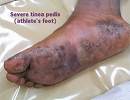 (HealthDay News) -- Athlete's foot is caused by a fungus that produces skin rashes, typically on the soles of the feet and between the toes. It usually appears as itchy, red patches of skin that burn, blister, flake or crack.
Since the fungus spreads in areas that are damp and sweaty, you should keep your feet clean and dry. Always wear socks, and look for all-natural fibers that absorb sweat. Also choose shoes that are well-ventilated, such as those with small holes or mesh.
Athlete's foot is easily spread, and is often found in public locker rooms, pool areas, and showers. To avoid contracting the fungus in these areas, always wear flip flops or some other type of shoe.
Treatment typically involves an over-the-counter antifungal cream or spray, which can clear up the fungus in a few weeks. If athlete's foot doesn't clear up or recurs, you should consult a doctor about a stronger treatment.
Saturday, August 12, 2006
Fever and the Mystery Disease SARS
A Bio-terror Weapon Spreads Around the World
(Edited slightly for accuracy in blue and my emphasis added in red)
The "mystery" disease SARS, severe acute respiratory syndrome, is being used as a “bio-terror campaign” by the World Health Organization and the Centers for Disease Control. They have used normal diseases with strange new names to terrorize people many times in the last 30 years. SARS is clearly a new variation of an old Influenza. So what makes SARS so dangerous?
Most flu comes from China, as in Asian Flu, Hong Kong Flu or Swine Flu, since it is mostly caused by rare avian or bird viruses crossing species with pig viruses. Many rural Chinese farmers raise flocks of geese side-by-side with herds of swine or pigs. Geese and pigs are a traditional Chinese food source. Humans have no natural immunity to avian bird viruses, and are able to "catch" pig or porcine viruses because of the similarity of human and porcine lung and organ tissue.
If a pig is ill with porcine flu and then eats droppings from an avian-virus-infected goose the result is a new cross-species flu virus, with the outer lining of a pig and the inner viral core of a goose, which spreads from central China around the world and usually kills about 100,000 or more each year in the U.S. Several new variations of goose-pig generated influenza occur each year coming mostly from China. Skip all the CDC recommended flu shots. They are much more dangerous killers than any Influenza. Here’s why.
Love a fever!
The problem is the method of treatment. The viral core molecule of RNA cannot reproduce if the body temperature is above 101 degrees. Humans have genetically developed a natural method to defeat viral infections called a fever. With a mild fever of 101 degrees the telomers on the ends of the RNA molecule cannot attach and the virus cannot reproduce itself, and the body's white blood cells quickly destroy the invading virus. But the modern “regular” treatment for a fever from a cold or flu is to reduce the fever to ease the discomfort. This is wrong.
By lowering the fever below 100 degrees, the invading virus is allowed to reproduce and spread massively throughout the body. If the multitude of viruses finally cross the blood/brain barrier the result is a fever of 104 or more, causing brain damage or death. This is often called Reyes Syndrome or Viral Encephalitis and is not a disease but the result of improper treatment with aspirin or other NSAIDs to lower the natural viral infection fever.
In the last 50 years a whole new large section in your local drug store has arisen called “Cold and Flu” medications. There seems to be a vast variety of various types to choose from, but really there are only two “flavors”: those containing Ibuprofen and those with Acetaminophen. These are commonly known as Advil and Tylenol. There are many other similar NSAIDs, but in cold medications those are the two most commonly found.
They are about the same, which is why they both remain side-by-side on the store shelves. These are both NSAIDs (NonSteroidial Anti-Inflammatory Drugs) or synthetic forms of aspirin. Since aspirin is an old Native-American Indian traditional medication, made from Aspen Tree bark hence the name Aspirin, its patent ran out over a century ago. But the newer synthetic forms are still patent medicines; and thus the reason for the multi-million dollar ad campaigns each year to get you to buy the higher cost synthetics whenever you get a cough or cold. Don’t buy them.
If you become infected with even a single cold or flu virus, it quickly within minutes will enter one of your nose or lung cells, make many copies of itself and then the copies burst out of the damaged cell carrying with them a covering made from the old cell wall material. This covering is to protect the virus from attack since your body will attack and destroy all “foreign” invaders. But since the new viruses are covered with cell wall material made from your own body the white blood cells of your immune system can’t see them. These many new viruses also within minutes invade other nearby healthy cells and repeat the process.
[However, and the author of this article was unaware of this, if the body tissues and fluids are sufficiently flooded with active oxygen, than how can the anaerobic viruses continue to exist or invade other cells?]
Without anything to stop it, within several hours that one single virus will have copied itself many millions of times quickly overwhelming your body.
But that very first infected cell, when it became destroyed by the infecting virus sent out a hormonal signal created by bursting the cell wall which causes two things to occur. First, the white blood cells stored in your lymph nodes [that manufacture virus destroying natural oxygen therapy hydrogen peroxide in their ‘peroxisome’ areas] are sent out to seek and find the cause of the damaged cell. Second, a fever is induced.
In order to raise your body temperature to create a fever the heat losses through your extremities, such as the hands, feet and skin are reduced by slowing down and constricting the peripheral blood flow. This causes your hands, feet and skin to feel cold. You may even shiver. This occurs within several minutes of the first viral damage. This is called “catching a cold” and the cold feeling is the first step to raising your core body temperature to above 101 degrees to stop any further viral reproduction and infection. At this point you may feel achy and uncomfortable, with a chilled sensation and even a mild fever. You may even have sneezed a few times, caused by the nasal irritation of the invading virus.
The term “catching a cold” is generic and refers to the chilled feeling you get, caused by either a “cold” which is due to a rhino virus or infection of the mucus lining of the nasal passages, or to an influenza or flu virus which only infects the lining of the lungs. The two are separate types of viruses. Whether you have a rhino or flu virus determines whether you begin to sneeze, with a runny nose from a cold, or begin to cough with lung congestion from a flu. But that usually occurs an hour or so later after the initial infection. If your immune system is not in good shape you may end up with both.
The medical term “rhino virus” is from the Greek word “rhino” meaning the “nose” and refers to a viral infection of the nasal membranes which we normally call a cold. The medical term “influenza” comes from the Spanish word “influence.” This comes from the times of the Crusades in the middle ages when armies of knights from western Europe, mostly England, France, Spain and Germany, first came into contact in the Middle Eastern Holy Land with merchant camel caravans from far Asia, carrying with them not only trade goods but many cases of pig-goose viral infections from China. The viral infections were probably in dried form on the Asian cloth and trade goods, which only needed to be moistened to become re-activated.
The Europeans had no clue where the deadly disease causing viral pneumonia and swift death was coming from. It was named and identified by the medieval Spanish doctors as the “Influenza de Diablo” or Influence of the Devil. Today we simply call it the flu. What this shows is that the Spanish did not know how to cure coughs and colds by allowing fevers, and that the Chinese farming technique of raising pigs and geese, creating new influenza viruses has been going on for thousands of years. But in those days it took over a year for new diseases to travel from Asia to Europe by camel train. Today by jet a new pig-goose flu virus can travel from central China to New York City in less than 24 hours.
If, when you get the first hint of a cold or flu, you do as you should, and go to bed and stay warm overnight with a mild fever, then the white blood cells can quickly surround and destroy the infected cells [by squirting hydrogen peroxide and ozone (Scripps Institute) on them], and no new viruses can reproduce to infect other cells because of the fever. These special type of immune system white blood cells are called macrophages, which is from a Greek word meaning “big eaters.” The macrophages are very large or “macro” white blood cells and their job is to ingest or eat, or “phageo,” the damaged body cells.
By surrounding and swallowing up the infected cells and using chemicals to “eat” or break apart all the material inside, the big macrophages effectively destroy the virus and stop the viral reproduction and infection. [The reason we need to help our immune systems out and safely and effectively - according to known protocols while working with our doctors - flood our bodies with active oxygen is because…] No macrophages nor any part of the immune system [except active oxygen in fluids] can actually seek out and destroy viruses directly. The macrophages can only find and destroy virus-infected cells, which are found since they have a different outer cell wall structure once the virus enters the cell.
[This is exactly why oxygen therapies are so necessary and so safe and effective. The healthy uninfected cells produce anti-oxidant coatings so active oxygen forms do not react with or ‘see’ them. Infected cells full of virus invaders have been forced into slavery by the viruses and are spending all their energy making new viruses, so they cannot create an anti-oxidant cellular coating to protect themselves from being burned up by active oxygen! Oxygen used correctly only attacks infected cells! ]
So it is a two-step process, but it actually works. And usually within 6 to 8 hours after the chills and fever begin, the virus infection is completely stopped and destroyed.
But, if instead of doing as you should and go to bed and stay warm, you also take a cough or cold medication to reduce the discomfort of the fever, you then actually allow the viruses to reproduce. They start to spread throughout your body. And with the reduced fever you feel well enough to go to work. You cough and sneeze invisible micro-droplets of mucus containing viruses and infect your family, friends and co-workers, and even the people you pass on the street. You become the source of a spreading epidemic. For a week you feel miserable but continue going to work until your fever starts to rise up to about 104. Then you go to the doctor or clinic [and pass it on to them unless the doctor’s office or hospital room is full of strong but safe levels of nature’s ozone gas].
[SARS type diseases - spread by droplet transmission - are the quintessential proof of the argument as to WHY we immediately need ozone active oxygen air and water purification surrounding us in our homes and clinics and offices and hospitals and schools and cars and buildings and subways, and movie theaters and planes and taxis.]
But by then it is too late. X-rays show that your lungs are congested with fluid. That fluid is the huge number of puss-like lymph node macrophage white blood cells trying to cope with the vast array of virus-infected damaged lung cells. At this point it is often a losing proposition. You are diagnosed with viral pneumonia, and it’s about 50-50 whether you will survive. If you are young and in good health with an effective immune system [and because the invaders are anaerobic, if you are already stuffed full of, or quickly stuffing yourself full of, active oxygen supplementation or having your healer inject safe levels of medical ozone/oxygen into your blood stream] you may survive. If you are older or with a damaged or aging immune system, [and therefore only have average American smog and toxin compromised low oxygen blood and tissue oxygen levels] viral pneumonia death is almost a certainty. There is no cure or treatment for viral pneumonia. [Except possibly what we are explaining] All caused because you were mis-informed and took a cough or cold medication to reduce an uncomfortable fever. Your body would have prevented and quickly cured the viral infection, if you had allowed a fever to do its job and stop the viruses from reproducing.
Even the North American Indian “doctors” who first developed the Aspen Tree bark, aspirin precursor, medical treatment did not use it for viral infections. They used it only for bacterial infections. The bacterial infections are usually caused by cuts, gashes or damage to the skin or underlying tissue which produce swelling and pain, caused by bacteria entering the wound. A poultice of tree bark was applied to the skin to reduce the swelling and pain caused by a different type of macrophage which directly attacks and “eats” invading bacteria. Aspirin is still used effectively today as a mild pain reliever for injury induced swelling and pain. But the very same Indian “doctors” had a much better way to cure the cough and colds of viral infections. They induced a fever.
When European immigrants began to settle in the New World in the 17th and 18th centuries, they discovered that many native American tribes were treating their “patients” who had coughs, colds, chills and fever with something called a “sweat lodge.” The infected ill “patient” was isolated in a small quickly made thatched hut with a small hole dug in the center of the floor filled with water. Hot rocks from a nearby fire were put into the water until it boiled and produced steam. The “feverish patient” slept overnight in the steamy sweat lodge and the next morning took a quick brisk dip in a nearby cold stream and was completely cured.
The dip in the cold water was not actually part of the anti-viral treatment, but was really a morning kick-start for the circadian rhythm system to remove the logy “jet-lag” symptoms from having just had a high fever. Thus the “patient” is now invigorated and cured with a sense of health and well-being. No, the Indians did not know about viruses, bacteria or circadian rhythms. They only knew what worked best after thousands of years of medical trial and error. Sometimes grandma’s old folk remedy does work best. In this case it does.
The North American Indians were not the only ones to use the “sweat lodge.” It was well known and used worldwide in ancient times. It is the source of the healthful Scandinavian “Sauna Bath.” Even 2,000 years ago when the ancient Romans invaded Britain, they found that the locals were curing coughs and colds by placing the patients in small huts near a bubbling geothermal pool which produced natural steam. That natural steam pool was located at a village called Bath, England.
The ancient village of Bath is the source of the English name “steam bath.” The Romans built a large temple over that geothermal pool and spread the concept of the health-inducing Bath House throughout the Roman Empire. Unfortunately, the Romans lost the original medical reason for the therapeutic fever-inducing steam hut, and the Bath House became merely a popular “health spa” location for social interchange, which still remains today.
Even in modern day America and Europe until the 1930's and ‘40s a common home remedy for treating the onset of the chills and fever from viral infections was for the “patient” to sit with feet in a basin of warm water, body wrapped in warm towels and the head draped with a large towel while breathing steam from a boiling tea kettle. The treatment usually didn’t work, since it did not last all night or long enough to work, but was clearly based on an attempt to duplicate the old Indian steamy “sweat lodge” therapy. In this case, grandma’s old folk remedy didn’t work. But at least, grandma’s loving TLC along with some warm chicken noodle soup, didn’t hurt.
Thus the traditional knowledge of how to quickly and effectively cure a common cold or flu infection due to viruses has been known worldwide since ancient times. But you are not supposed to know that. You are not supposed to know that you can quickly cure a viral infection overnight by yourself and at no cost to you. You are supposed to believe that you need costly medications and medical treatments to cure new life-threatening diseases. That’s the job of the Centers for Disease Control and the World Health Organization. That job is nothing short of medical bio-terrorism.
The Centers for Disease Control and Prevention in Atlanta, Georgia is not what you might think it is. First note that the first word in the name is not “Center” but is “Centers.” There is no Center in Atlanta that does medical research or cures diseases. What is in Atlanta is merely a government administrative building which administers the many “Centers” throughout the United States. The Atlanta office is funded and operated by the Federal Government. The many different Centers are mostly funded with private grant money from pharmaceutical companies who deal in drugs relating to the specialty of each of the many Centers.
If a Center in Montana, specializing in rare tropical reptilian viruses accidently discovers a new Framawitz Disease and finds that a drug called Gillibrulin will cure it, then the disease and the drug are owned by the pharmaceutical company which privately funded the medical research. The company then has the right to develop and exploit the drug to make billions in profit. Thus the reason for the strange separation between the Federal government office in Atlanta and the many separate privately-granted research Centers around the United States. And the reason for the name “Centers” for Disease Control.
The purpose of the main office in Atlanta is to be a promotional agent and salesman for the pharmaceutical companies who “discover fictitious disorders” at the various “Centers” and then convince you that to prevent Framawitz Disease you need to be on a lifetime dose of Gillibrulin, which you need as much as you need a horseshoe kick in the pants. But the CDC has convinced many people and their governments to pay billions of dollars per year around the world to the drug companies to prevent diseases by just that method. I call it bio-terrorism.
In the last 20 years, in my research, articles and media interviews I have identified 12 fictitious medical problems which have resulted in massive billion dollar profits to a few pharmaceutical houses. All of the medical problems were either man-made or don’t exist, and were hyped and promoted by the CDC. All of them are characterized by including the words Disorder or Syndrome in their names. That’s because they are not legitimate diseases. I am sure you can think of a few of the big ones. I won’t mention them here, since that would take us off topic. Here we are only focusing on the latest hype, Severe Acute Respiratory Syndrome, SARS, a classic case of CDC bio-terrorism.
According to an AP wire story from March 29, 2003, “On Saturday, the first doctor to realize the world was dealing with an unfamiliar disease died of the illness in Thailand. Dr. Carlo Urbani, 46, of Italy, a World Health Organization expert on communicable diseases, became infected while working in Vietnam, where he diagnosed a U.S. businessman hospitalized in Hanoi, the U.N. agency said. The businessman later died.”
What can I say? At age 46, Dr. Urbani was getting old enough for having an age-reduced immune system. If he had followed the normal CDC-WHO advice he would have treated the symptom of flu, the fever, and not the cause, the viral infection. He would have tried to treat and reduce the fever by using cough medications containing NSAIDs, which is the equivalent of signing his own and his older patient’s death warrants.
In the same article, the head of the CDC, Dr. Julie Gerberding said that no successful drugs or treatments had yet been found. Of course not, there is no and never has been any successful drug treatment for viral pneumonia. Especially when it gets to be a hospital case with a fever of 104 degrees. If the problem is a bacterial lung infection, then there are antibiotics like penicillin which can kill the bacteria. But antibiotics have no effect on viral pneumonia. The only known successful treatment for viral infections is a fever [and its helper active oxygen] which completely stops the viral reproduction. Its been known for thousands of years.
The article continues, “U.S. health officials said Saturday that none of the antiviral drugs and other treatment they have tested are effective against a flu-like disease that has killed at least 54 people and sickened nearly 1,500 others around the world.” What can I say? Is this the blind leading the blind, or what? What we do learn is that SARS is “flu-like” and it has sickened 1,500 worldwide and has killed 54. But compare that to the normal annual flu season which sickens several hundred millions each year with a normal death rate of about one million annually worldwide, and about 100,000 dying of influenza-induced viral pneumonia each year in the U.S. alone.
SARS is not even a statistical drop in the medical bucket. And there is no indication that SARS is any different from any other form of cold or flu from a viral infection. So how does the CDC get to scare or terrorize you into believing that SARS is any worse or more dangerous than any other annual flu? Mostly its done with the assistance of an uninformed press and media which simply publishes the CDC handouts without any knowledge of what it means. This has been going on for about 25 years. I squarely target the news media as the primary cause of such medical nonsense for publishing without investigating the facts.
What is different and unique about SARS is simply the fact that the CDC has for the first time put a name on a flu variant while there are still so few cases. Normally each year the CDC identifies the many dozens of newly discovered flu forms with odd names like Asian type dcp-9w37 or some such gibberish that even your own doctor has no idea what it means. That information is only useful to CDC forensic technicians to make up a new flu-shot cocktail each year, based on finding out what pig-goose flu variants were discovered floating around Asia last year. And you thought you had to be a doctor to figure this stuff out.
Do the Chinese know that their farmers raising pigs and geese together are the source of most influenza in the world? Yes, its been discussed in the medical journals for the last 25 years. Do the Chinese do anything about it? No. Nobody knows why. Maybe its a Chinese form of population control to weed out the wheat from the chaff among their vast multitude of six billion Chinese. Who knows? The Chinese medical profession does not even collect data on the number of pig-goose influenza cases which occur each year and in what province, region or district they came from.
For whatever reason, pig-goose viral infections keep coming from Asia each year, as they have for thousands of years. You don’t need to believe the CDC story about SARS being some kind of new dangerous killer and you should run out to get your latest flu shot or dash to the store to stock up on a case of “Tylenol Cough and Cold” to help prevent that dreaded 104 degree fever. The only people who benefit from that CDC advice are the drug companies who make the flu shots and manufacture all those many “flavors” of cold medicines. It does not benefit you. To believe the CDC story about SARS and to treat the fever of flu with medications is to roll the dice with death. Don’t do it.
Here’s a prediction. Based on the fact that there is as yet no test to distinguish SARS from any other cold or flu, some medical labs are calling SARS a form of cold virus and others call it some kind of new influenza virus. The CDC is defining a case of SARS as a flu-like fever and having had recent contact with a person from Asia or China. In this day of jet travel, that pretty much includes anybody in the world who comes down with a cold or flu.
Since there are usually several hundreds of millions of cases of cold or flu each year, by mis-labeling SARS, that means without any clear differential diagnosis to separate the fever of SARS from flu, the number of reported cases in the next week will skyrocket from 1,500 to about 10,000, and to around 200,000 by the end of the month. Why?
Because your doctor does not have access to all those expensive tests to determine which brand of flu you might have, he just assumes you have “that thing that’s going around” which in this case is SARS. Thus you are diagnosed as having SARS even if you only have the sniffles. Not because there was any test to determine if that is true, but simply because, to be safe, your doctor assumes it to be true. The CDC can then toot their horn and claim they have discovered a new rapidly expanding epidemic based on the number of “reported cases,” but all they have really done is mis-label flu as SARS.
The CDC has done this many times before. Two such cases are Eosinophilia Myalgia Syndrome (EMS), and Attention Deficit Disorder (ADD). Both billion dollar high-profit “diseases.” Probably the best thing to do is just ignore the CDC and get on with your life.
Best advice: do not try to lower a fever, it is your genetically derived natural human defense against any viral infection. Stay wrapped up and warm to cause a sweat. Drink fluids to replace the water lost by sweating. And within 6 to 8 hours overnight the cold or flu is gone. Many older doctors knew this, which is the reason for the old docs advice, “go to bed, stay warm, drink fluids.” But younger docs just out of med school have been taught there is a drug or pill to treat everything. The result of using expensive pills or over-the-counter medications to reduce the fever from colds and flu is prolonged illness, the epidemic spread of viral diseases and the unneeded deaths of hundreds of thousands each year.Don’t buy it.
Marshall SmithEditor, BroJon Gazette
For the latest news about the SARS "worldwide epidemic," check the news items on the front page of The Brother Jonathan Gazette
Sunday, July 16, 2006
Nail Fungus and Nail Salons, Even Celebrities Aren't Immune
For millions of suffers, nail fungus is an unsightly and potentially painful problem. Recently, nail salons have been in the news because of reports of unsanitary practices. Singer and American Idol judge, Paula Abdul went before the California Senate and Business Committee to urge them to pass legislation to provide stricter rules and regulations for nail salons in California. Abdul's concern stemmed from an incident in 2004, which had her in and out of hospitals for a year after a manicure gave her a nail infection. The infection had her thumb so sensitive that even the touch of hair on her hand made her scream. Nail fungus is a common infection that affects more than 2.5 million Americans annually.
The most common way that nail fungus is spread is by using utensils that haven't been properly sterilized. One California salon spread infection through more than 110 of their clients. The sources were spa chairs that hadn't been properly cleaned. This company wasn't thoroughly cleaning out the bowls on their spa chairs; as a result, microorganisms were growing inside the filters. The cleaning regulations for footbaths were vague, and didn't include instructions for cleaning the filters. When investigators checked behind the screens, they found that bacteria and other microorganisms were thriving. Even though this was an extreme case, it is indicative of what happens because of lax regulations throughout the industry. The most common infections that are passed from salons are fungal infections, specifically nail fungus. If you find yourself in a position where you have nail fungus, what are your options for eliminating it? You could try a topical over-the-counter medication, which you would just rub over the surface of the nail. This is typically a relatively inexpensive method for treating nail fungus.
The difficulty with a purely topical medicine is that, alone, it's virtually ineffective for treating the infection. It would only provide temporary relief from the pain and discomfort. The next option would be to go to your physician and get a prescription medication. This would actually get into your blood stream to treat the nail fungus from the inside out. Terbinafine is the antifungal medication that would be used to treat this infection and if you bought a generic brand of Terbinafine it would cost around $100 for a month supply. The side effects of Terbinafine vary and some can be staggering. They range from itching, rash, and diarrhea to change in vision, liver and even kidney damage.
If you are more interested in nutraceuticals and an all natural approach to medications, then you should consider Leucatin. Leucatin has both an oral and topical approach to eliminating the fungus. The topical treatment is sprayed directly onto the nail 3 times daily for 7 days. The oral treatment is taken twice daily for 7 days. For $67 you would receive enough product to rid yourself of nail fungus, and the best part is that these products are sold with a one year money back guarantee, to ensure that if you're unsatisfied with the product, you can return it, no questions asked.
Leucatin is a good choice for people who want to treat their fungal infections from the inside and out. Leucatin only takes a week to make nails look healthier and shinier; whereas, some of the other products could take you anywhere from 6 to 12 weeks before the nail would be healed. A person's nails are important to keep maintained. Trying a natural treatment would expedite the healing process, which will get you back to wearing sandals in no time! If you want more information on the product, Leucatin, simply go to http://www.leucatin.com.
Rachelle Ross INCREASE MEDIA
rachelle@selmedica.com 901-753-7588
http://www.leucatin.com
Tuesday, July 04, 2006
I knew something was wrong with me, but nobody else did.
 I knew something was wrong with me, but nobody else did. I am 36 years old now; when I was younger I was in seemingly perfect health. When I was 18 years old, I had to get prescription eyeglasses. I became near sighted. Even though all the eye doctors I saw said this is just a natural part of aging; I knew something was wrong. Four years later I noticed small bumps on my scalp.
People mistook this for the beginning stages of balding, however the hair no longer existed only where the small bumps were. The doctors I saw ran fungal and bacterial tests on my scalp. Every test came back negative, so according to the doctors nothing is wrong with me. As the years go by, more small bumps appear on my scalp (for every bump I loose more hair). Sometimes the bumps bleed and sometimes the skin on the scalp flakes off and is white similar to dandruff. I see more doctors; I finally find one who gives me a diagnosis. I am told that I have folliculitis. Okay great, I say! Now that you know what is wrong with me, how do we cure it?
Sunday, July 02, 2006
Better Nutrition Has Parents Seeing Double
 BETTER diets could be fuelling an increase in the number of women having identical twins, new research suggests.
An Australian study challenges the widely held view that twin pregnancies have only become more common because of IVF treatment .
The research highlights a steady increase in rates of identical twinning dating back to before in-vitro fertilisation was introduced.
It indicates that natural forces must be at work, according to Professor Robert Jansen, medical director of Sydney IVF
The most likely explanation was that improved nutrition was helping to trigger identical twinning, he said.
"It's hard to think of a steady trend that has occurred over such a long period of time other than one that is due to the improved health and nutrition of mothers, which is reflected in the increased capacity of an egg to form embryos," said Prof Jansen .
His team reviewed Australian national birth statistics from 1920 to 2003 to determine the sex of babies at birth among multiple pregnancies.
He reported his findings to the European Society of Human Reproduction and Embryology in Prague.
Date: June 22, 2006© 2006 Daily Post. via ProQuest Information and Learning Company; All Rights Reserved
Tuesday, June 06, 2006
Yeast and the Weight Connection
Yeast and the Weight Connection
Wonder where those extra pounds are coming from?
By Carolyn Dean, M.D., N.D.
If I were to tell you that there is a fungus living in your intestines that produces 180 chemical toxins capable of making you feel dizzy and fatigued, shutting down your thyroid, throwing your hormones off balance, and causing you to crave sugar and alcohol, all of which make you put on weight –would you believe me? You probably wouldn’t –few doctors even realize the extent of damage caused by yeast overgrowth but the above scenario is all too true.
To the great detriment of the health of our society, this fungus does exist and it is growing rampant in a large proportion of the population –mostly women. It’s one of the diseases of civilization – the culmination of the side effects of technology and the disservices of our way of life.
The list of chronic diseases is getting longer and longer: heart disease, cancer, chronic fatigue syndrome, fibromyalgia, auto immune disease, and irritable bowel syndrome (IBS). Chronic yeast overgrowth not only worsens all the above conditions but it’s in a whole disease category by itself.
The miracle of antibiotics has its downside because it causes an overgrowth of yeast. The refining of sugar and wheat has its downside by creating a simple food source for yeast. The tremendous levels of stress hormones that flood our bodies daily, hourly, and every minute in our sped up world make us prey to yeast.
WHAT IS YEAST?
Candidiasis (yeast overgrowth) is nothing new; it’s been around for decades, ever since we began to use antibiotics in our society. Yeast itself, a cousin to molds, has grown in human bodies since Adam and Eve. Candida albicans is the main yeast in the human body. It lives there happily enough, kept in check by beneficial bacteria in the intestines. These bacteria make vitamins and help digest excess sugar that gets past the small intestine. A very special group of bacteria make lactic acid, which protects the gut and vagina against yeast.
Candida is one of the 400 organisms that live in our mouth, digestive tract, vagina and on our skin. Most of the time they all get along with their neighbors. When you begin taking antibiotics, the whole delicate balance is lost. Antibiotics wipe out most of the good and the bad bacteria leaving yeast unharmed. In the absence of any competition, yeast colonies grow into all the empty nooks and crannies of the large intestine and even the small intestine. Sugar from our diet feeds yeast and with the special lactobacillus acidophilus bacteria wiped out, there is no more production of lactic acid to protect the delicate intestinal and vaginal tissues from marauding yeast.
The beast, Candida albicans, growing wildly inside our bodies is an epidemic out of control. Most people, if they think of it at all, imagine yeast as just a pesky vaginal infection that a treatment of vaginal cream will cure overnight. Unfortunately, that’s just not the case for millions of people, especially women who suffer an astonishing array of health complaints from yeast overgrowth, yeast allergy and a build up of yeast toxins.
Leaky Gut: An Open Door To Our Tissues
It is a scientific fact that when yeast cells reach a certain critical mass they change from a round budding stage to a thread-like tissue invasive stage. They are simply running out of food and looking for more. They pack their bags and emigrate from their main home in the large intestine into the small intestine. In the small intestine, the yeast threads poke holes in the intestinal lining. With this superhighway to the blood stream, there is nothing to stop yeast chemical by-products (all 180 of them), undigested food molecules, bacterial toxins, and other chemicals from taking a one-way ride. The holes are not necessarily big enough to allow yeast to get into the blood stream, so there is no blood infection of yeast, just hundreds of waste products that should be flushed down the toilet that end up causing head to toe symptoms leak into the blood. Yes, leaky gut happens when toxins leak into the blood stream and tissues of the body.
When these toxins hit the blood stream they trigger widespread inflammatory and allergy reactions. Many of the toxins like aldehyde, alcohol, zymosan, arabinitol, and gliotoxin have been named. They impair the immune system and the central nervous system. Others block thyroid function, impair female hormones and cause symptoms of PMS and aggravate menopause but haven’t yet been properly studied. Inflammation is being investigated as the underlying cause of heart disease, bowel disease, arthritic conditions, and auto immune disease. It is also intimately involved with weight gain, fatigue, allergies, asthma, headaches, irritability, and dozens of other health complaints.
The Yeast Questions
Have you taken several courses of antibiotics in the past?
Have you been on the birth control pill?
Do you react to the smell of damp moldy places?
Do you crave sugar and bread?
Do you feel drained to the point of exhaustion?
Do you have symptoms of intestinal gas, bloating, and cramping (IBS)?
Are you troubled by constant vaginal infections?
Are you bothered by itchy burning eyes?
Yeast and Belly Fat
What does belly fat have in common with beef cattle? Antibiotics! These drugs are liberally used in the beef industry for the specific purpose of “beefing up” cattle. It is little recognized that antibiotics can do the same to humans! Yeast can contribute pounds of fluid retention in an attempt by the body to dilute the toxins that yeast produces. Over time, in both cattle and people, tissue toxins and fluid build up lead to cellulite and weight gain.
Belly fat is more than just fat. Yeast causes abdominal bloating that can add an extra 5-7 inches that seems to appear out of nowhere. This can be devastating for someone who is on a diet and trying to lose weight and lose inches. If a woman says she has only been eating 1,000 calories a day for a week yet still gained weight a doctor tends to think she is not being truthful. However, if most of her diet is carbohydrates and sugar she may very well be growing yeast, which create a toxic build up and fluid retention to dilute the toxins. It’s a whole new way of looking at weight gain.
Besides bloating and toxic fluid build up, yeast can decrease thyroid function and lead to lowered metabolism, which is a well known cause of weight gain. Some yeast toxins can block hormone receptors and block hormone action. Hypothyroidism and PMS can be the direct result of yeast overgrowth.
When you crave carbs and give into those cravings you will also experience weight gain as the carbs turn into fat cells. Those food cravings that we think are just a lack of will power can actually be caused by yeast clamoring for their favorite food.
Yeast overgrowth also causes the immune system to overwork trying to deal with the toxic overload. This places chronic stress on the adrenal glands, which raises cortisol levels. One thing we know about cortisol is that you can’t lose weight when your levels are elevated due to chronic stress. That’s because the body perceives stress as an emergency and the worst emergency for the body is starvation—therefore it’s never going to give up an ounce of stored fat that it might need!
Where’s the Cure?
Unfortunately, the answer does not lie in a pill as many women have found out when they go to their doctor. Even if the doctor does recognize yeast overgrowth the most common treatment recommended is a week or two or antifungal medications. As one client, who is a chemist remarked to me that she is very concerned about taking fluoride compounds like Diflucan, the most well known antifungal medication. Doctors who are too dependent on prescriptive medicine don’t understand that yeast over growth requires a 6-Point Yeast Fighting Program. Information on this program is freely available at http://www.yeastconnection.com/ and follows in abbreviated form.
Diet: avoid sugar, wheat and dairy as well as fermented foods, and alcohol.
Probiotics (good bacteria): the best ones are acidophilus and bifidus. Obtain products that guarantee 2-10 billion organisms per capsule.
Antifungal supplements: garlic (eat one or two cloves a day), oil of oregano (take 2-3 capsules per day) and grapefruit seed extract (take two to three capsules per day) or take a formula that also includes caprylic acid, pau D’Arco, black walnut, beta carotene, and biotin.
Exercise to move the lymph circulation that clears toxins from the body.
Stress release to reduce the amount of natural cortisol that creates yeast overgrowth.
Work with a caring physician-download a physician packet from yeastconnection.com.
It is only through diet and lifestyle change that people can overcome yeast overgrowth—but they do overcome it.
Sunday, May 28, 2006
A Natural Way to Lower Cholesterol?
A Natural Way to Lower Cholesterol?
Provided by: DrWeil.com
Q: I hear that taking a liquid yucca extra mixed with water is good for treating high cholesterol. Is this true? -- Jim Reid
A: This is another example of too much being made of scant evidence. Although yucca is being promoted as a cholesterol-lowering agent, only a few case reports suggest that it has a limited ability to improve high cholesterol, high blood pressure, and migraine headaches. However, there have been no well-controlled studies to confirm these findings so if I were you; I would look elsewhere for cholesterol control.
Traditionally, extracts from the stalk and root of yucca trees that grow in the southwestern United States have been used to treat arthritis and other inflammatory conditions such as bursitis and gout. And a 1975 study published in Journal of Applied Nutrition showed that, taken orally, yucca does offer some mild relief for the pain, stiffness, and swelling of arthritis. But participating patients took varying doses, took other medications in addition to yucca, and took yucca from more than one species of the plant. So until we have more and better studies, we can't even say for sure that yucca helps these conditions.
As far as cholesterol treatment is concerned, there are other natural products for which effectiveness is well documented. Red rice yeast extract, once sold in the United States under the name "Cholestin," has been shown in studies to be an effective cholesterol-lowering agent. Other brands of red rice yeast extract, such as Solaray, might also be of benefit. The product named Cholestin that is now available in the United States contains octacosanol (an alcohol found in the waxy substance seen on some fruit and their leaves) as an active ingredient, which several small studies suggest can help lower cholesterol.
Andrew Weil, MD
Sunday, May 21, 2006
How to Treat Yeast Infections Naturally
 How to Treat Yeast Infections Naturally
By Dr. Kendra Pearsall
Infection of the vaginal tract (vaginitis) is one of the most common reasons for women seeking medical attention. There are many types of vaginal infections, but one of the most common is the yeast infection, Candida albicans, which is demonstrated by a thick, curdy white, itchy discharge and reddened, raw vaginal tissue. When the ecology of the vagina is disturbed, the beneficial bacteria in the vagina are destroyed, and Candida is allowed to proliferate, leading to a yeast infection. Therefore, if you are a woman and you have a yeast infection, you must always ask yourself what may have caused this imbalance.
Here are some questions to consider:
Do you eat sugar, or are you diabetic? (Candida thrives on sugar.)
Are you wearing synthetic panty hose or panties without a cotton crotch?
Do you wash your vagina with soap? (Soap can irritate the tissues. In most cases only water and a washcloth are necessary.)
Do you have a depressed immune function due to an illness or unhealthy lifestyle? (Eating junk food or inadequate sleep, etc.)
Are you taking antibiotics (which kill healthy flora), steroids or birth control pills (which adversely affect the pH of the vagina)?
Are you pregnant?
Have you ruled out food, pollen, detergent or semen allergies with a medical practitioner trained in allergies?
Are you sexually active? (Sexual intercourse is contraindicated while you are infected as you may pass the Candida to your partner and continue to pass it back and forth.)
Natural treatments for yeast infections include:
You must eat a healthy, low-sugar, low-grain diet as prescribed in Dr. Mercola’s Total Health Program, which I co-authored. You can get an idea of the program by checking out the nutrition plan.
You will want to increase your probiotic intake with Probioti capsules or by eating cultured foods because these contain the good bacteria that keep your vagina and gastrointestinal tract healthy and will replace the Candida. This is especially important if you are taking antibiotics.
After I met Donna Gates, author of The Body Ecology Diet, in February, I have become a strong believer in the importance of cultured foods and eat them with every meal to aid in digestion.
When people complain to Donna that they don’t have time to shred vegetables, she recommends people make it into a party and prepare it in bulk while socializing. Cultured vegetables are amenable to mass production because they keep for months on end without spoiling.
Other good cultured foods are plain organic yogurt and miso. Cultured foods are eaten in every culture and ideally should be eaten with every meal because of their amazing health benefits.
Other dietary considerations include avoidance of all simple sugars, dairy (except if cultured), alcohol, cheeses, dried fruits, melons, peanuts and all suspected food allergens as all these will exacerbate Candida.
Natural topical treatments include:
Inserting one Boric acid powder capsule morning and evening for three to seven days for an acute infection, and 14 to 30 days for a chronic infection. I have not seen Boric acid capsules widely available in health stores or pharmacies but women can make their own by buying a bottle of Boric acid powder and gelatin capsules (a capsule-making machine makes the process go faster).
Studies show the effectiveness of Boric acid is very high especially in women with chronic resistant yeast infections--one study with 100 women showed a 98 percent success rate with this condition. If you find that the Boric acid irritates your external genitalia you can protect the tissue with vitamin E oil (preferred) or Vaseline.
Insert a garlic clove into the vagina in the morning and an acidophilus capsule in the evening for three to seven days.
Prepare a retention douche with bentonite clay, Pau D’ Arco tea, yogurt, tea tree oil and goldenseal and douche two times a day for seven to 10 days.
Soak a tampon with diluted tea tree oil and keep it in the vagina overnight.
Allopathic treatments include the following anti-fungals:
Clotrimazole, Miconazole, Terconazole suppository creams available over-the-counter or by prescription.
Fluconazole, a single-dose treatment.
In my experience as a physician, I have been able to treat some of my female patients with the natural herbal remedies successfully. On the other hand, I’ve had female patients who’ve spent painful itchy days on end because they insisted allopathic treatments were evil, only to go nearly insane from their agonizingly raw, irritated vaginas.
Ultimately, a few of these women, perhaps temporarily insane from the pain, wound up crawling to the store for the anti-fungal creams, ripping open the box, and inserting the cream right there in the pharmacy aisle!
The moral of this story is that you may wish to experiment with Boric acid or herbal treatments, but if you do not see results after five days you may wish to use an allopathic treatment, which is relatively harmless if used infrequently.
In conclusion, the best way to prevent and treat yeast infections is to eat a healthy, low-sugar, low-grain diet, eat cultured foods, avoid the high-risk behaviors described above and experiment with any of the above treatments that you are intuitively drawn to, and I will bet that Candida albicans shall not hold your vagina hostage ever again.
Sunday, February 05, 2006
What is bacterial vaginosis?
Having BV has been associated with an increase in the development of pelvic inflammatory disease (PID) following surgical procedures such as a hysterectomy or an abortion.Having BV while pregnant may put a woman at increased risk for some complications of pregnancy.BV can increase a woman’s susceptibility to other STDs, such as Chlamydia and gonorrhea.
Pregnant women with BV more often have babies who are born premature or with low birth weight (less than 5 pounds).The bacteria that cause BV can sometimes infect the uterus (womb) and fallopian tubes (tubes that carry eggs from the ovaries to the uterus). This type of infection is called pelvic inflammatory disease (PID).
PID can cause infertility or damage the fallopian tubes enough to increase the future risk of ectopic pregnancy and infertility. Ectopic pregnancy is a life-threatening condition in which a fertilized egg grows outside the uterus, usually in a fallopian tube which can rupture.A health care provider must examine the vagina for signs of BV and perform laboratory tests on a sample of vaginal fluid to look for bacteria associated with BV.
Although BV will sometimes clear up without treatment, all women with symptoms of BV should be treated to avoid such complications as PID. Male partners generally do not need to be treated. However, BV may spread between female sex partners.
Treatment is especially important for pregnant women. All pregnant women who have ever had a premature delivery or low birth weight baby should be considered for a BV examination, regardless of symptoms, and should be treated if they have BV. All pregnant women who have symptoms of BV should be checked and treated.
Some physicians recommend that all women undergoing a hysterectomy or abortion be treated for BV prior to the procedure, regardless of symptoms, to reduce their risk of developing PID.
BV is treatable with antibiotics prescribed by a health care provider. Two different antibiotics are recommended as treatment for BV: metronidazole or clindamycin. Either can be used with non-pregnant or pregnant women, but the recommended dosages differ. Women with BV who are HIV-positive should receive the same treatment as those who are HIV-negative.
BV can recur after treatment.
BV is not completely understood by scientists, and the best ways to prevent it are unknown. However, it is known that BV is associated with having a new sex partner or having multiple sex partners. It is seldom found in women who have never had intercourse.The following basic prevention steps can help reduce the risk of upsetting the natural balance of bacteria in the vagina and developing BV:Be abstinent.Limit the number of sex partners.
Do not douche.
Use all of the medicine prescribed for treatment of BV, even if the signs and symptoms go away.
What is Bacterial Vaginosis (BV)?
It is a change in the normal bacteria of the vagina.What causes BV?
The exact cause of BV is unknown. There are many bacteria that live in a normal vagina. When you have BV, there are not enough “good” bacteria. This causes harmful bacteria to grow in the vagina, causing the vaginal environment to be out of balance.
What are the symptoms?
Most women with BV have no symptoms at all. Sometimes a woman has more vaginal discharge than usual. The discharge might be milky with a “fishy” odor. The odor can be worse after sex. Other symptoms women may experience include itching or burning in or near the vagina.
How serious is BV?
BV is usually not serious. In some cases, however, it can cause infections in the uterus and fallopian tubes. It is important to treat BV, especially before having an IUD inserted, an abortion, or tests done on the uterine lining. BV during pregnancy may cause the baby to be born too soon.How can I find out if I have BV?
The clinician will do a few simple tests in the clinic. Looking at the vaginal discharge under the microscope for bacteria and checking the acid level of the vagina are two tests that help the clinician decide if a woman has BV.
How is BV treated?
The clinician can prescribe an antibiotic, taken by mouth, called metronidazole or Flagyl®. There is also a vaginal cream. This medicine can cause nausea or a metal aftertaste in the mouth for some people. Take it with food.
DO NOT DRINK ALCOHOL ANY TIME WHILE TAKING THIS MEDICINE.
This medicine can cause severe nausea and vomiting when combined with alcohol. Either use a condom or do not have sex until you have finished taking the antibiotic. The clinician can order antibiotic vaginal creams or gels which work just as well, but the cost is higher. The side effects are less with vaginal antibiotics.
What about my partner?
Your partner does not need to be treated because BV has not been proven to be a sexually transmitted infection.
How can I prevent BV?
Some women get BV again and again. It is not clear why or how this happens. These suggestions for good vaginal health may help:Wipe from front to back (away from the vagina) after bowel movements to avoid spreading bacteria from the rectum to the vagina.
Keep the vulva (outside of the vagina) dry and clean.
DO NOT DOUCHE. Douching is never a good idea, especially with BV.
Avoid feminine hygiene sprays, harsh soaps, or soaps with lots of perfume.Avoid clothing that can trap moisture: pantyhose (wear pantyhose with cotton crotch) or latex exercise clothing.Using condoms may decrease BV recurrence for some women.
A healthy vagina normally contains many microorganisms, one of the common ones being Lactobacillus acidophilus. Lactobacillus appears to help prevent other vaginal microorganisms from multiplying to a level where they cause symptoms. The microorganisms involved in BV include Gardnerella vaginalis, Mobiluncus, Bacteroides, and Mycoplasma. For reasons not well understood, the numbers of these organisms increase with BV while the number of lactobacillus organisms decreases.
Most cases of bacterial vaginosis occur in sexually active women between the ages of 15 and 44, especially after contact with a new partner. Condoms do not appear to provide protection, but use of spermicides increases BV risk somewhat. Although BV appears to be associated with and triggered by sexual intercourse, it does not appear to be transmitted from one partner to another. Rather, it is a disordering of the chemical and biological balance of the normal flora. Pregnant women and women with a sexually transmitted disease are especially at risk for getting this infection. Bacterial vaginosis does not usually affect women after menopause.
Untreated bacterial vaginosis can cause pelvic inflammatory disease which can cause fatal complications of pregnancy, premature delivery and low birth weight of infants.
Bacterial vaginosis can be cured by antibiotics.
OK, this is what common medical literature on the internet tells us about BV. On some points, they're right... On some points, they're wrong.
more info at:
Monday, December 12, 2005
Been sick a long time, and doctors aren't able to help.
 I knew something was wrong with me, but nobody else did. I am 36 years old now; when I was younger I was in seemingly perfect health. When I was 18 years old, I had to get prescription eyeglasses. I became near sighted. Even though all the eye doctors I saw said this is just a natural part of aging; I knew something was wrong.
Four years later I noticed small bumps on my scalp.People mistook this for the beginning stages of balding, however the hair no longer existed only where the small bumps were. The doctors I saw ran fungal and bacterial tests on my scalp. Every test came back negative, so according to the doctors nothing is wrong with me. As the years go by, more small bumps appear on my scalp (for every bump I loose more hair). Sometimes the bumps bleed and sometimes the skin on the scalp flakes off and is white similar to dandruff. I see more doctors; I finally find one who gives me a diagnosis. I am told that I have folliculitis. Okay great, I say! Now that you know what is wrong with me, how do we cure it?
Subscribe to:
Posts (Atom)
Health Begins In The Colon $19.99  The REAL Secret to Health is Finally Revealed! Did you know that disease starts and health begins in the colon? You can read more about how to better your health in Dr. Group's exclusive book |